
JAMAICA Must Not Become a Dumping Ground for America's Discarded People
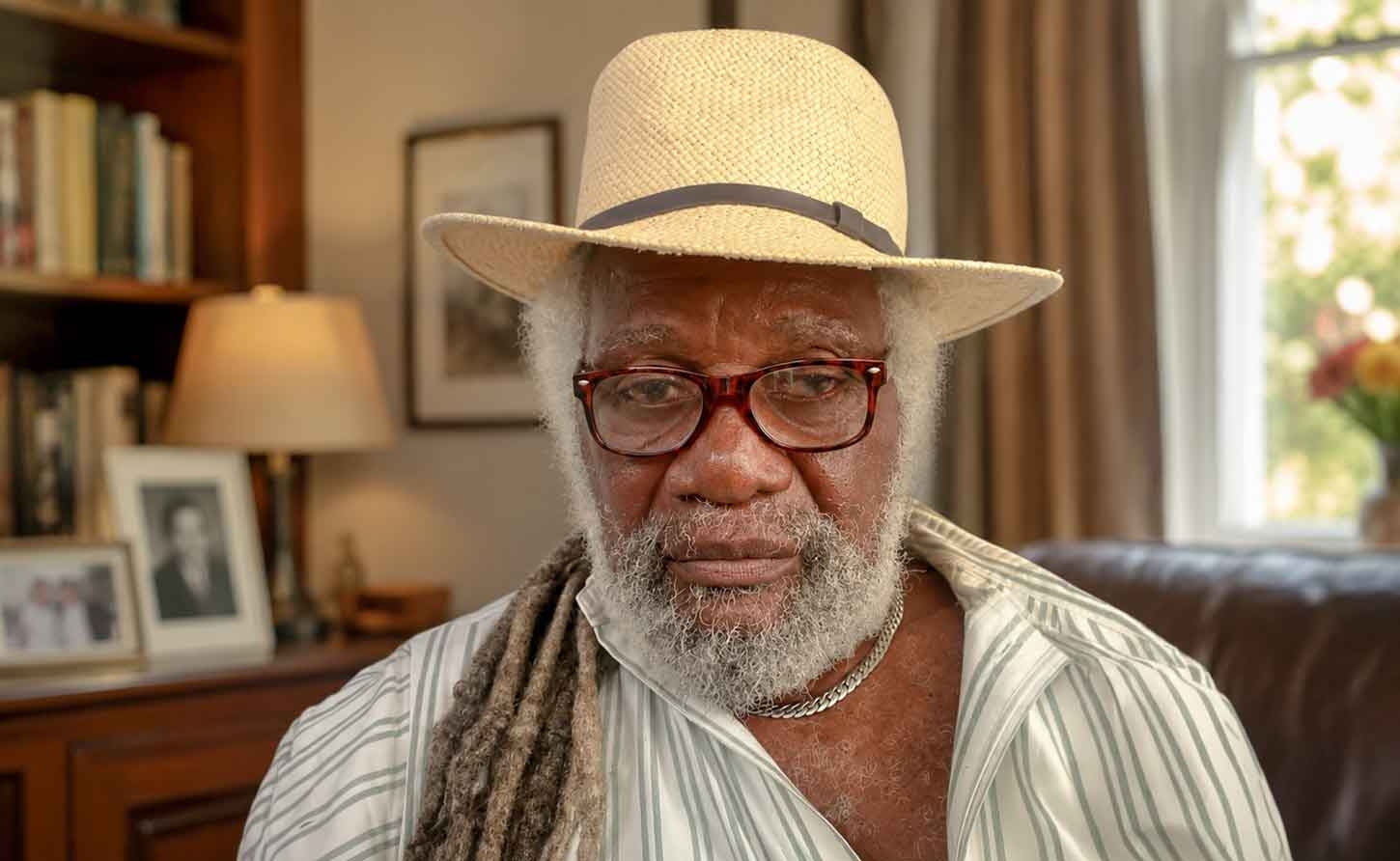
O. Dave Allen is a prominent social commentator, community development advocate, and the executive director of the Granville Peace, Justice, and Resource Development.
MONTEGO BAY, June 16, 2026 | By Owen D. Allen | Jamaica is a small developing state in the front yard of the United States. We understand the weight of power: visas, remittances, trade, aid, security cooperation, tourism, and diplomacy.
But smallness does not mean servility. Friendship with America must not require Jamaica to surrender its sovereignty, its Caribbean conscience, or its dignity.
The reported proposal for Jamaica to accept third-country nationals deported from the United States is not a routine immigration arrangement. It is a test of national self-respect. It asks Jamaica to receive persons who are not Jamaicans and may have no family, legal, cultural, or historical connection to the island, simply because the United States wants them removed.
That is not migration management. That is the outsourcing of human beings. It risks turning Jamaica into a holding bay for America's unwanted — a dumping ground for America's discards.
Jamaica already struggles with housing shortages, unemployment, fragile communities, underfunded public services, crime, trauma, and the unresolved reintegration of our own deportees. If we have not built a humane system for our own citizens, why should we become a reception centre for foreign nationals expelled by another state?
The issue is not whether migrants deserve dignity. They do. The issue is whether Jamaica should be pressured or induced to absorb people whom a powerful country does not want, and whose own countries may not receive them.
This proposal cannot be separated from the racial language that has shaped recent American immigration politics. When a former president reportedly referred to Haiti, El Salvador, and African nations as "shithole countries", and later spoke of immigrants "poisoning the blood" of America, he exposed a worldview in which Black, brown, poor, and non-European migrants are treated as contaminants rather than human beings.
Let us say plainly what polite diplomacy tries to conceal: this is not neutral migration management. It is the racialized sorting of human beings.
It is ethnic cleansing.
It is the cleansing of America's territory of those whom racist politics has cast as unwanted, undesirable, and disposable. Jamaica is now being asked to make itself complicit in that process.
Worse, this request comes under the shadow of dependency. Visas, green cards, embassy access, aid, security assistance, and diplomatic favour are constantly dangled before small states as leverage. We are made to feel that refusal could carry consequences at the airport or the embassy window. That is not partnership; that is pressure dressed in diplomatic clothing.
There is also a cruel Caribbean contradiction. Jamaica often treats Haitians, our brothers and sisters, as pariahs — detained, rejected, deported, or viewed with fear and suspicion. Yet we are now being asked to accommodate non-Caribbean third-country deportees because Washington wishes to move them elsewhere. That cannot be morally justified.
Haiti is not a stranger. Haiti is part of the Caribbean family. Haiti's revolution helped break slavery's back in the Americas and gave Black people everywhere a vision of freedom. If Jamaica is serious about migration, protection, and regional cooperation, Haiti should be central — not treated as an embarrassment at the shoreline.
Properly managed, the orderly movement of Caribbean people would be mutually beneficial. Haitian workers could supplement Jamaica's labour force in agriculture, construction, caregiving, hospitality, manufacturing, and other sectors where shortages already exist. In turn, Jamaican bankers, developers, engineers, planners, teachers, nurses, builders, and investors could assist in rebuilding Haiti's economy, housing, infrastructure, small business sector, and regional trade.
That is what Caribbean integration should mean: not speeches at CARICOM meetings, but practical cooperation. This is not a call for disorderly migration. It is a call for managed Caribbean mobility — documented, regulated, humane, and economically sensible, with work permits, temporary protection, skills certification, employer registration, housing standards, language support, and community integration.
Jamaica should not be more willing to receive deportees from powerful countries than to embrace structured cooperation with our Caribbean brothers and sisters.
The proposed arrangement also recalls Britain's 2015 prison offer. It, too, was wrapped in the language of assistance and mutual benefit. Supporters saw a modern correctional facility; critics saw a former colonial power attempting to transfer part of its correctional burden to Jamaica. The lesson is clear: matters touching sovereignty, incarceration, deportation, migration, and human dignity must never be settled quietly.
The current American proposal is even more troubling because it does not merely concern Jamaicans returning home. It concerns non-Jamaicans who may have no connection to Jamaica at all. A country has a duty to its citizens. But Jamaica has no obligation to become a reception centre for people removed by another state to satisfy that state's domestic politics.
There are urgent questions. Who pays for housing, food, healthcare, legal services, monitoring, security, and onward transfer? What happens if deportees remain in Jamaica — are they detained or released? What rights do they have? What protection exists against statelessness, abuse, racial profiling, or indefinite limbo?
No government has the moral authority to bind Jamaica quietly to such an agreement. Parliament must debate it. Civil society, churches, trade unions, human rights groups, diaspora voices, the private sector, and community organizations must be heard.
Jamaica can cooperate with the United States where that cooperation is lawful, transparent, humane, and mutually respectful. But cooperation cannot mean surrender. It cannot mean accepting arrangements that richer nations would never tolerate, and it cannot mean using our island to warehouse the unwanted human consequences of another country's immigration policy.
This proposal should be rejected unless the Government proves it is lawful, humane, funded, time-bound, transparent, subject to parliamentary oversight, and clearly in Jamaica's national interest.
Small state, yes. Servile state, no.
Jamaica must not become a dumping ground for America's discards. Jamaica must stand upright.
— 30 —
