
JAMAICA | Audrey Marks and the Shadow of Washington - Who Is She Really Serving?
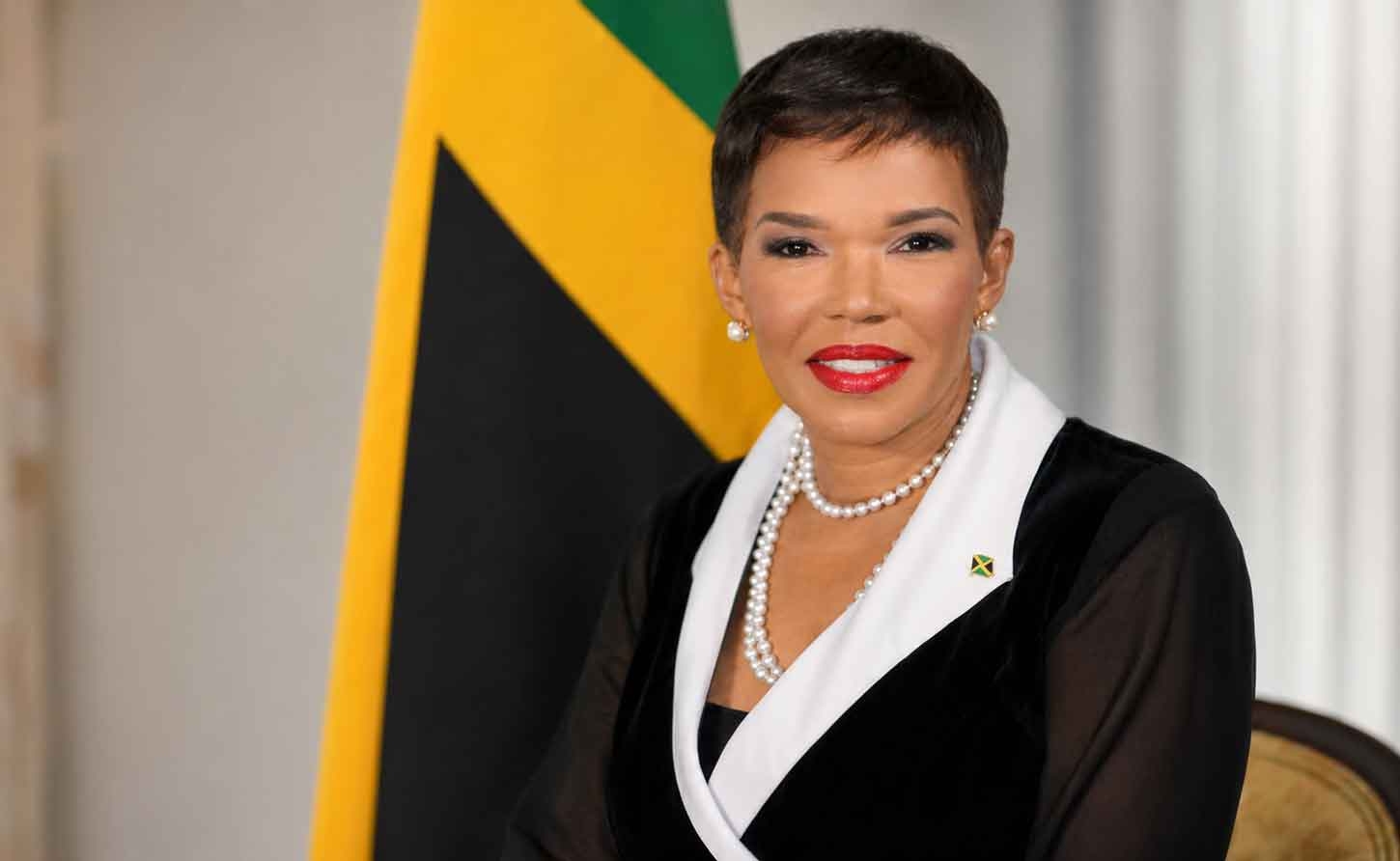
Minister without Portfolio in the Office of the Prime Minister with responsibility for Efficiency, Innovation, and Digital Transformation, Audrey Marks.
MONTEGO BAY, Jamaica, June 190, 2026 - There are moments in public life when events appear so irrational, so hurried, so strategically timed, and so poorly explained that suspicion becomes not only reasonable, but necessary. The reported role of the Honourable Audrey Marks, now a Member of Parliament and Cabinet Minister, in proposing that Jamaica receive up to 10,000 third-country nationals from the United States is one such moment.
According to a diplomatic note shared with The Gleaner, Ms. Marks made the proposal to a United States official attached to the Department of Homeland Security during the Americas Counter Cartel Conference at the United States Southern Command in Miami, Florida, on March 5, 2026.
The note reportedly stated that Ms. Marks proposed 'a Third-Country National arrangement' under which Jamaica would receive up to 10,000 third-country nationals from the United States.
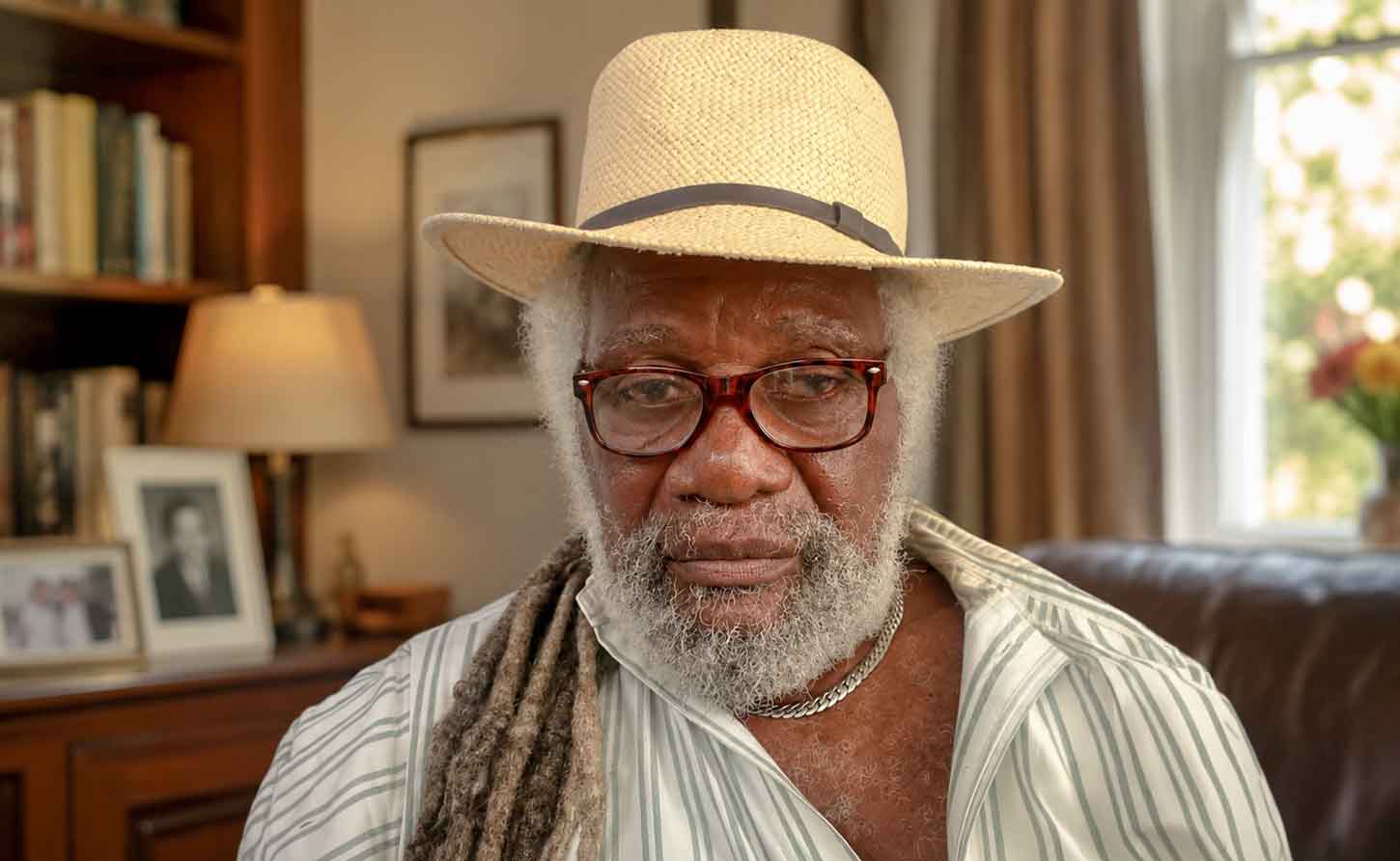
O. Dave Allen is a prominent social commentator and community development advocate.
The question is no longer simply whether the proposal is bad policy. The deeper question is darker: who is Audrey Marks really serving?
By Rubio's own admission, the United States is seeking third countries willing to accept persons it wants out of its jurisdiction, including dangerous offenders and persons described in the most damning moral terms.
This is not a harmless transit arrangement. This is not a routine immigration discussion. It is an effort by a powerful country to export its burden and find compliant nations willing to absorb the political, social, security, and moral consequences.
And into that space steps Audrey Marks.
Ms. Marks' reported intervention cannot be separated from her political rise. She was hurriedly returned to Jamaica after a long and influential diplomatic stint in Washington. Upon her sudden and still insufficiently explained return, she was made senator.
Seven months later, she contested the general election, won a seat, became an MP, and was ushered into the Andrew Holness Cabinet. That is not conspiratorial thinking. That is political observation.
In politics, movement of this kind is rarely accidental. A former ambassador to Washington does not suddenly return, enter the Senate, contest an election, enter Parliament as an MP, join Cabinet, and then reportedly appear in Miami at the United States Southern Command to propose a third-country deportee arrangement by mere coincidence. Such a sequence suggests preparation, sponsorship, timing, and purpose.
This is why the suspicion must be stated boldly: Audrey Marks appears to be functioning as a strategically placed asset of United States influence inside the Jamaican state.
The word 'asset' is not used lightly. It does not require cloak-and-dagger fantasy.
In modern politics, an asset may be a person trusted by a foreign power, shaped by foreign relationships, acceptable to foreign interests, and positioned inside a domestic government to make foreign objectives easier to implement. Such a person may wear national colours, speak the language of patriotism, and carry a Cabinet title, while still serving as the bridge through which external power enters domestic policy.
“ Our country is not a dumping ground for America's deportation problems. Jamaica is not a holding area for persons the United States finds politically inconvenient, socially burdensome, or legally troublesome. Our sovereignty is not a bargaining chip. Our people must not be exposed to foreign risks negotiated in foreign rooms. ”
Is that what Audrey Marks has become?
Her Washington pedigree is undeniable. Her diplomatic intimacy with the United States establishment is well known. Her sudden return to Jamaica is politically significant. Her rapid elevation is extraordinary. Her reported proposal in Miami is explosive.
Taken together, these facts raise a sinister question: was Mrs. Marks brought back simply to serve Jamaica, or was she positioned to rise at the auspicious moment to carry out Rubio's agenda?
The audacity of her reported action suggests that she is fortified. It suggests that she believes she has cover. It suggests that she has powerful friends in high places.
No ordinary minister would so boldly and barefacedly place Jamaica into a foreign security conversation of this magnitude unless she felt authorized, protected, or politically insulated.Who authorized her?
Was Cabinet consulted before this reported proposal was made? Did the Prime Minister approve it? Was the Minister of Foreign Affairs fully engaged? Was the Minister of National Security properly briefed? Was Parliament informed? Were the Jamaican people told before Jamaica's name was placed before a United States official in a matter touching sovereignty, migration, national security, public safety, and human rights?
The place where this reportedly occurred is equally troubling. This was not first raised at Gordon House. It was not first disclosed to the Jamaican people. It was not first debated in Cabinet and explained as national policy. It reportedly surfaced at the United States Southern Command in Miami, Florida, during a counter-cartel conference, before an official attached to the United States Department of Homeland Security.
That is not a minor detail. That is the scandal.
Jamaica's sovereignty was reportedly placed on the table in a foreign security setting. Not in the Parliament of Jamaica. Not before the citizens of Jamaica. Not under the scrutiny of the Jamaican press and civil society. But inside the orbit of American power.
The Prime Minister's own distance from this politically charged issue is also revealing. Rather than standing before the country to own and explain the matter clearly, the burden of explanation appears to have been shifted to others. When a matter is clean, coherent, and defensible, leaders usually own it. When a matter is morally uncomfortable, diplomatically sensitive, and politically dangerous, distance becomes strategy.
The Jamaican people must read the signs.
Audrey Marks' reported intervention appears too bold to be accidental, too strategically located to be innocent, and too politically timed to be ignored. Her rise has been meteoric. Her Washington connection is deep. Her Cabinet placement is recent. Her reported proposal aligns too neatly with America's desire to move unwanted persons into third countries.
That is why the question of loyalty cannot be avoided.
Does Audrey Marks serve Jamaica first, or Washington first? Is she defending Jamaican sovereignty, or satisfying the deportation agenda of the United States? Is she protecting the Jamaican people, or preparing Jamaica to become a warehouse for persons America wishes to discard?
And there is an even larger political question. Is Mrs. Marks merely a minister, or is she being positioned for something greater? Could her rapid rise suggest that she is being prepared as a possible successor in the event that Dr. Andrew Holness becomes politically weakened? In politics, succession is rarely announced before it is arranged. It is prepared quietly, tested publicly, and protected institutionally.
Dr. Christopher Tufton, once viewed by some as a possible successor, now appears politically battered. Public controversy, questions of governance, and perceived failures of accountability have weakened his claim to any clean succession path. That creates space for another figure - polished, internationally acceptable, Washington-friendly, and already inside Cabinet.
Audrey Marks fits that profile.
This is why her reported role in the third-country national arrangement must not be treated as an isolated episode. It may be part of a wider political design: to position a Washington-trusted figure inside Jamaica's power structure at a moment when the United States requires cooperation on migration, deportation, and regional security.
Jamaica must not sleepwalk into this arrangement.
Our country is not a dumping ground for America's deportation problems. Jamaica is not a holding area for persons the United States finds politically inconvenient, socially burdensome, or legally troublesome. Our sovereignty is not a bargaining chip. Our people must not be exposed to foreign risks negotiated in foreign rooms.
Ms. Marks must answer plainly. By what authority did she reportedly make this proposal? Who instructed her? What was promised? What was discussed? What did the United States request? What did Jamaica offer? Was the Prime Minister aware? Was Cabinet aware? Was Parliament deliberately by-passed?
Until those questions are answered, the suspicion stands.
Audrey Marks appears not merely as a minister acting within the ordinary limits of Cabinet government, but as a strategically placed political asset, rising from Washington into the heart of Jamaican power at precisely the moment Washington needed a reliable Jamaican face to advance its third-country agenda.
That is the scandal. That is the sinister possibility. And that is why the Jamaican people must demand full disclosure now.
-30-
