
JAMAICA Takes a Seat at the Head of the Global Artificial Intelligence, AI Table
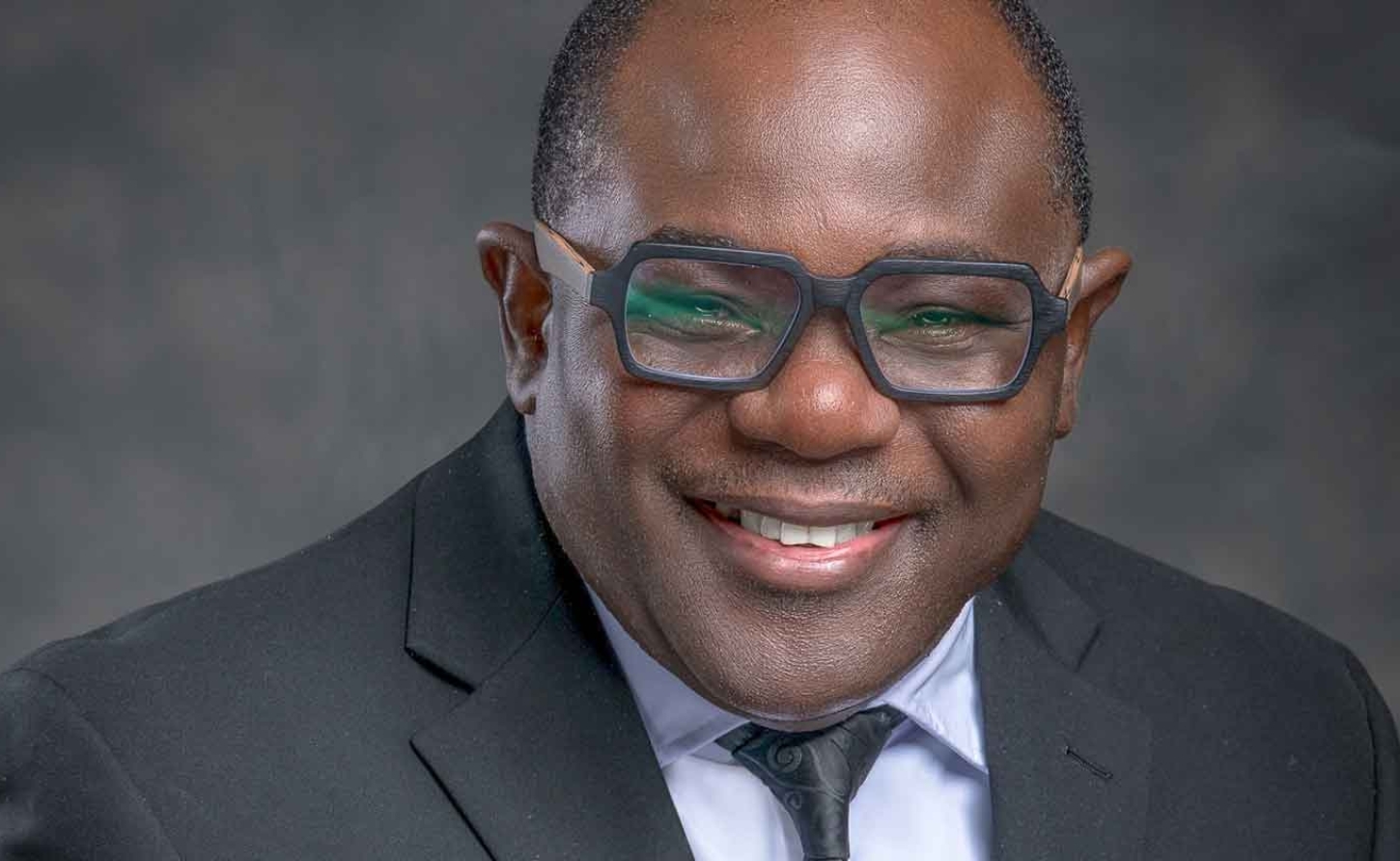
Broadcasting Commission of Jamaica (BCJ) Executive Director Cordel Green helped stage the 7th Annual Artificial Intelligence for Information Accessibility Conference, a free virtual gathering that placed the concerns of small island states and African nations at the centre of the debate.
As UNESCO’s Information for All Programme turned 25, a Jamaican-led conference asked the question small states cannot afford to ignore: who gets left behind when artificial intelligence is built somewhere else?
KINGSTON, Jamaica, September 29, 2026 - — Jamaica took a leading seat in the global conversation on artificial intelligence on Monday, as the Broadcasting Commission of Jamaica (BCJ) helped stage the 7th Annual Artificial Intelligence for Information Accessibility (AI4IA) Conference, a free virtual gathering that placed the concerns of small island states and African nations at the centre of the debate.
The three-hour event, held live on Zoom on September 28 in observance of the International Day for Universal Access to Information, coincided with the 25th anniversary of UNESCO’s Information for All Programme (IFAP), established a quarter-century ago to widen access to information and knowledge.
Its central question was blunt: as AI reshapes how information is created, found and used, who is being left behind?
For Jamaica, the question is far from academic. Small Island Developing States and much of Africa are adopting AI tools designed and governed largely elsewhere. That raises hard questions about whose languages and realities those systems reflect, who writes the rules, and whether nations that did not build the technology can meaningfully shape how it affects their people.
A Jamaican at the helm
Jamaica’s role went well beyond attendance. BCJ Executive Director Cordel Green chairs UNESCO IFAP’s Working Group on Information Accessibility, under which AI4IA is convened, and the BCJ served as executing agency for the anniversary legacy initiative in partnership with UNESCO and technology firm Mobius. The conference was held under the auspices of the UNESCO Cluster Office for the Caribbean and the UNESCO Regional Office for Southern Africa.
“Small countries should not have to choose between adopting new technology and having a voice in how it affects their people.” — Cordel Green, BCJ
“Jamaica, the Caribbean, Africa and other developing regions bring knowledge and experience that must be part of the global AI conversation,” Green said in the Commission’s pre-conference release. In an interview with JIS News ahead of the event, he argued that Jamaica should not settle for being merely a consumer of AI developed elsewhere. Earlier this month, he presented a Caribbean framework for human-centred AI governance at the Silicon Valley Peace Conference in Palo Alto, California.
From talk to tool
The anniversary was also designed to leave something tangible behind. According to organisers, the programme included the introduction of the AI4IA Intelligence Pilot, presented by Green and Ashwini Kotaru, Chief Operating Officer of Mobius by Gaian. The platform draws on more than 420 speaker segments generated over seven years of AI4IA and its satellite events, allowing users to search what speakers have said on particular issues and trace each insight back to its source — a deliberate safeguard for provenance and trust.
Mapping exclusion, questioning power
Two international panels anchored the day. “Map of Exclusion,” moderated by Andrea Millwood Hargrave, examined where the AI divide is already emerging across healthcare, education, media, language and economic opportunity, with Dr Tabani Moyo, Dr David Akpan, Dr Raona Williams, Nashilongo Gervasius and Rym Badran.
“Politics of the Pipeline,” moderated by Trisha Ray, turned from access to power: who shapes the information and decisions behind AI systems, and who is accountable when those systems affect people’s lives. Panellists included human-rights advocate Maha Jouini, Brazilian judge Isabela Ferrari and social-impact specialist Jonas Kgomo. Indian Supreme Court Advocate Samridhi Arora served as Master of Ceremonies.
Why it matters
For a region long positioned at the receiving end of global technology, the conference’s organising principle carries a sovereign edge: the future of AI cannot be shaped only in the places where it is built. On Monday, Jamaica made the case that the Caribbean intends to be in the room where that future is drawn up.
— 30 —
