
JAMAICA | Tightening the Screws: BOJ Hikes Policy Rate to 6% as Inflation Takes Root
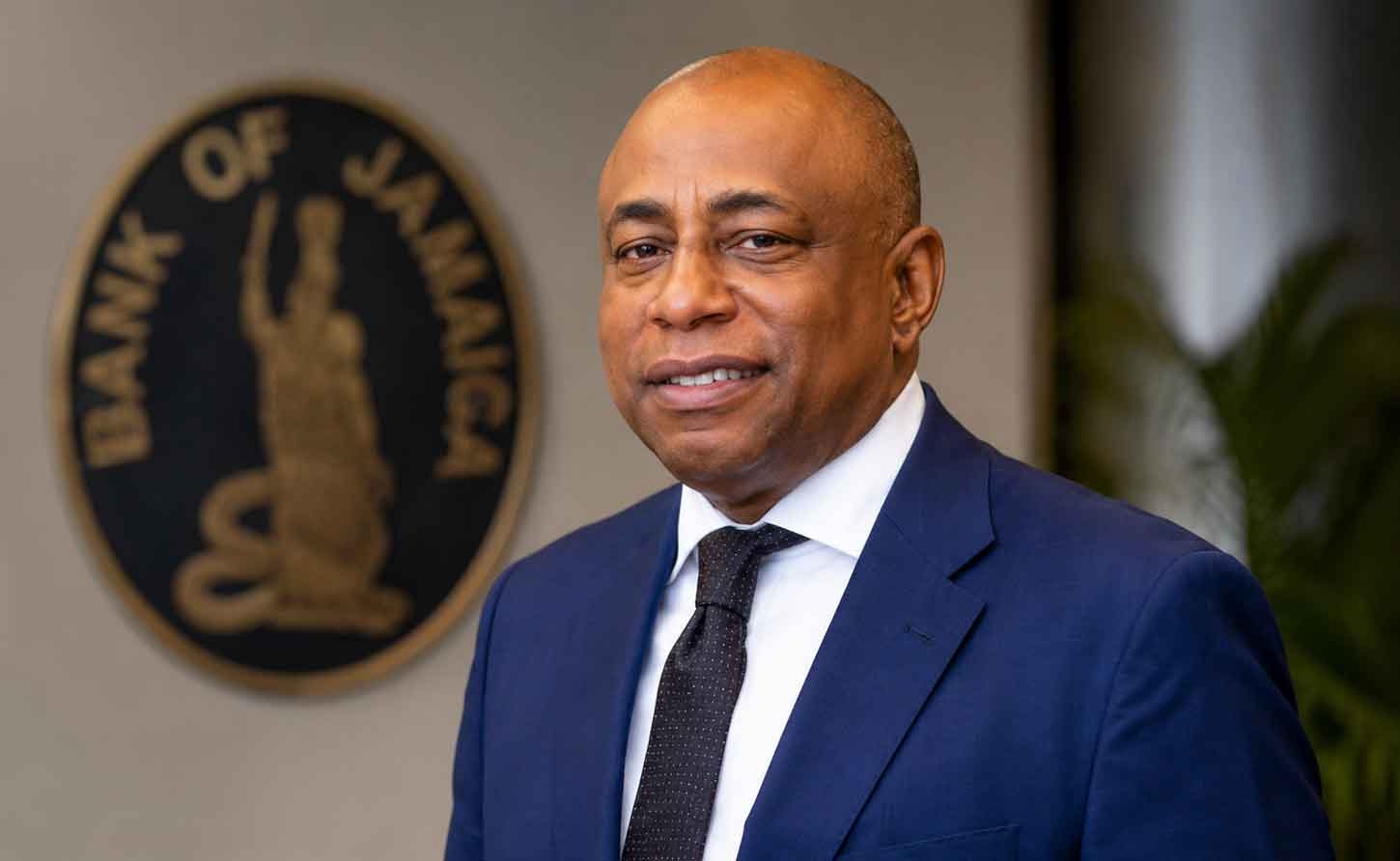
Governor of the Bank of Jamaica Dr. Brian Langrin
After holding firm in August, the Bank of Jamaica has raised its policy rate by 50 basis points, betting that dearer money today will spare Jamaicans a deeper price squeeze tomorrow. But for households still digging out from Hurricane Melissa, the cure carries its own sting.
MONTEGO BAY, Jamaica, September 28, 2026 - Calvin G. Brown| The Bank of Jamaica has pulled the lever it had hoped to leave alone. After holding steady in August, its Monetary Policy Committee (MPC) voted unanimously to raise the policy rate by 50 basis points to 6.0 per cent, effective Tuesday, September 29. The message is unmistakable: the inflation burning through Jamaican household budgets is no longer a flicker to be watched but a blaze to be fought.
The decision, taken at meetings on September 24 and 25 and signed off today by MPC Chairman Brian Langrin, lands on a country still clearing the debris of Hurricane Melissa. For thousands of families, the word from Nethersole Place is blunt: money is about to get dearer, precisely when many can least afford it.
The Numbers Behind the Move
Headline inflation reached 7.9 per cent in August, up from 7.5 per cent in July and a staggering leap from just 1.2 per cent a year earlier. It was the third consecutive month that inflation breached the ceiling of the Bank's 4 to 6 per cent target range.
Drought-battered vegetable crops and rising petrol costs did most of the damage. But the more worrying figure sits beneath the surface. Core inflation, which strips out volatile food and fuel, held at 5.2 per cent, up from 4.2 per cent a year ago. The Bank concedes this reflects emerging “second-round effects”: higher farm and fuel costs seeping into processed food and everyday services.
In plain terms, the price shock is starting to put down roots.
Businesses are bracing for more. Their 12-month inflation expectations climbed to 7.3 per cent in July from 6.7 per cent in June, and firms are flagging wage pressures. That is precisely the spiral the BOJ wants to break before it hardens.
Punches From Every Direction
The MPC's case reads like a catalogue of blows Jamaica cannot duck. Escalating conflict in the Middle East and the grinding Russia-Ukraine war have pushed commodity prices into what the Bank calls its “severe scenario”. West Texas Intermediate crude rose 4.7 per cent in August and kept climbing in September after renewed missile strikes. Grain prices jumped 2.8 per cent, outpacing the Bank's own projection.
At home, an intensifying El Niño is scorching crop yields. And, in a cruel irony, recovery itself is part of the problem: government reconstruction spending and the reawakening of hurricane-hit sectors are fuelling demand the Bank now wants to cool.
Then there is Washington. The US Federal Reserve lifted its benchmark range by 25 basis points to 3.75 to 4.0 per cent this month, and other major central banks followed. For a small, open, import-dependent economy, standing still while the world tightens is not a neutral choice.
Who Pays the Price?
The Bank frames the hike as protection for the vulnerable, noting that high and rapidly rising prices hurt poorer Jamaicans most. That argument carries real weight. Unchecked inflation is the cruellest tax of all, falling hardest on those with no savings to cushion the blow.
But the medicine is bitter. Higher policy rates typically filter through to loan and mortgage costs. Private sector credit grew 7.9 per cent in July, led by personal lending up 8.3 per cent, a sign that households are already leaning on borrowing to stay afloat. For hotel workers waiting on shuttered properties and farmers watching crops wither, dearer credit may feel less like protection and more like a second storm.
The BOJ itself admits growth for 2026/27 is fragile, with risks tilted to the downside from the agricultural shock, tourism capacity constraints and mining troubles. Tightening into a wobbly recovery is a high-wire act.
Tucked into the Bank's summary is a quiet but pointed line: the domestic fiscal policy stance “continues to pose some risk” to inflation. The subtext is clear. Monetary policy cannot carry this load alone.
Grounds for Measured Confidence
Not every signal is grim. International reserves remain healthy, the exchange rate is expected to stay relatively stable, and the banking system is described as sound, well-capitalised and liquid. August's inflation outturn also came in below the Bank's own forecast. The BOJ expects headline inflation to return to target by mid-2027, though that timeline hinges on wars no one in Kingston controls.
The Road to November
The MPC says it stands ready to deploy additional tools if necessary. Its next decision is due on November 18.
Until then, Jamaica faces a hard bargain: short-term pain at the bank counter to avoid longer-term pain at the supermarket checkout. Whether that bargain pays off depends on forces far beyond the island's shores, and on whether fiscal policy pulls in the same direction as the central bank.
— 30 —
