
EDUCATION | From Commitment to Compliance: Strengthening Legal Protection for Women and Children Across the Caribbean By Dr. Sanett Hanniford
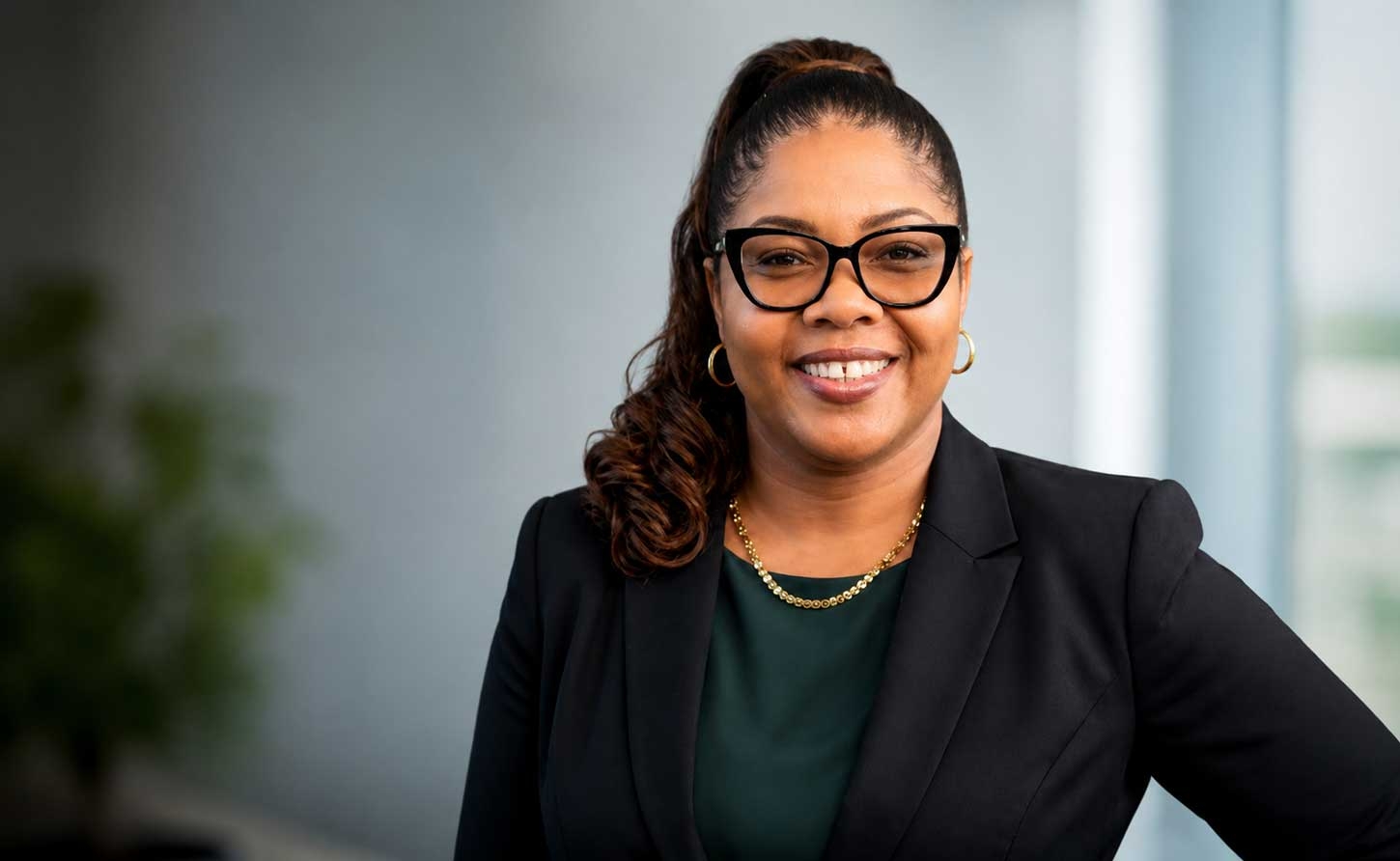
EDUCATION | From Commitment to Compliance: Strengthening Legal Protection for Women and Children Across the Caribbean By Dr. Sanett Hanniford
ST. JOHN'S Antigua, July 1, 2026 - By Dr. Sanett Hanniford| The Caribbean has made commendable progress in establishing legal protections for women and children. Yet, despite modern legislation and international commitments, violence against women, child abuse, sexual exploitation, trafficking in persons, domestic violence, cyber exploitation, and gender-based violence continue to affect communities across the region.
The question is no longer whether laws exist, it is whether they are being effectively implemented, enforced, and supported by adequately resourced institutions.
Every week, another child suffers abuse. Another woman becomes a victim of domestic violence. Another family is left navigating trauma while justice moves slowly. These are not isolated incidents. They are indicators of systemic weaknesses that demand urgent attention.
The Universal Declaration of Human Rights reminds us that every individual is entitled to life, liberty, security, dignity, equality before the law, and freedom from cruel, inhuman, or degrading treatment.
These principles are reinforced by the United Nations Convention on the Rights of the Child and the Convention on the Elimination of All Forms of Discrimination Against Women, both of which establish clear obligations for States to protect women and children from violence, exploitation, discrimination, and neglect.
Across the Caribbean, governments have enacted legislation that reflects these international standards. However, implementation often remains inconsistent.
In Jamaica, the legislative framework includes the Child Care and Protection Act, the Domestic Violence Act, the Sexual Offences Act, the Trafficking in Persons (Prevention, Suppression and Punishment) Act, and the Child Pornography (Prevention) Act.
These laws provide an important legal foundation, yet concerns remain regarding delayed investigations, lengthy court proceedings, inadequate shelter capacity, limited access to child psychologists, and insufficient support services for survivors.
In Antigua and Barbuda, legislative reforms addressing domestic violence, child protection, trafficking, and sexual offences have strengthened legal protections. Nevertheless, additional investment is needed in specialized family courts, trauma-informed investigations, counselling services, child advocacy programmes, and coordinated inter-agency responses that prioritize the best interests of the child.
Trinidad and Tobago continues to confront significant challenges relating to gender-based violence and child abuse despite having legislation such as the Domestic Violence Act, Children's Authority Act, and Sexual Offences Act. Greater investment in prevention, community education, and victim support services remains essential if legislation is to achieve its intended purpose.
Similarly, Barbados has advanced important reforms through its Domestic Violence (Protection Orders) legislation, child protection measures, and anti-trafficking laws. However, stronger public education campaigns, expanded mental health services, and enhanced reporting mechanisms would further strengthen national protection systems.
In Guyana, continued efforts to strengthen child protection, address trafficking in persons, and combat domestic violence are encouraging. However, rural and hinterland communities often face additional barriers to accessing legal representation, psychosocial care, law enforcement services, and child welfare resources. Geographic inequality should never become a barrier to justice.
As a child psychologist, I have witnessed the profound impact trauma has on the developing brain. Children exposed to violence frequently experience anxiety disorders, depression, behavioural challenges, difficulties with emotional regulation, interrupted education, substance misuse, and lifelong psychological consequences. Women who experience repeated abuse often suffer complex trauma, chronic health conditions, economic insecurity, and social isolation.
Protection cannot begin only after violence occurs.
Governments should strengthen mandatory reporting requirements and ensure that teachers, healthcare professionals, social workers, faith leaders, and community organizations are properly trained to identify and report suspected abuse. Child-friendly forensic interview centres should become standard practice throughout the region to minimize traumatization while improving investigative outcomes.
Equally important is investment in mental health. Psychological recovery should never be considered an optional service. Every survivor deserves timely access to counselling, psychiatric support where necessary, family therapy, educational assistance, and long-term rehabilitation programmes.
Technology presents another emerging challenge. Online grooming, cyberbullying, sextortion, image-based abuse, and child sexual exploitation are increasing across the region. Governments should continue modernizing cybercrime legislation while investing in specialized investigative units capable of responding to rapidly evolving digital threats.
Regional cooperation through organizations such as Caribbean Community should also be strengthened. Human trafficking, missing children, organized exploitation networks, and cyber-enabled offences often extend beyond national borders. Information sharing, joint investigations, harmonized legal standards, and coordinated victim support services will strengthen regional resilience.
Prevention remains our strongest defense. Human rights education should be integrated into school curricula, teaching children about bodily autonomy, consent, online safety, conflict resolution, healthy relationships, and where to seek help. Parents should have greater access to evidence-based parenting programmes that promote positive discipline, emotional development, and trauma-informed care.
The implementation of the Universal Declaration of Human Rights calls upon governments to move beyond legislative compliance towards practical implementation. Laws must be adequately funded. Institutions must be properly staffed. Victims must be protected without delay. Accountability must become the standard rather than the exception.
Peace cannot flourish where violence exists within the home. Development cannot succeed while children live in fear. Justice cannot be selective.
As Global Peace Ambassador and Chief Diplomatic Envoy, I believe the Caribbean has both the legal framework and the collective capacity to become a global model for protecting women and children. What is required now is sustained political will, stronger institutional coordination, meaningful investment, and an unwavering commitment to human dignity.
The true strength of a nation is measured not by its economic growth alone, but by how faithfully it protects its most vulnerable citizens. Every child deserves safety. Every woman deserves dignity. Every government has a responsibility to ensure that these rights are not simply promised but fully realized.
Dr. Sanett Hanniford is a Child Psychologist | Global Peace Ambassador | Chief Diplomatic Envoy | Lead for Women and Girls, Implementation of the Universal Declaration of Human Rights (IUDHR)
-30-
