
CARICOM | The Unfinished Journey: Emancipation Day 2026 and the Reparations Reckoning
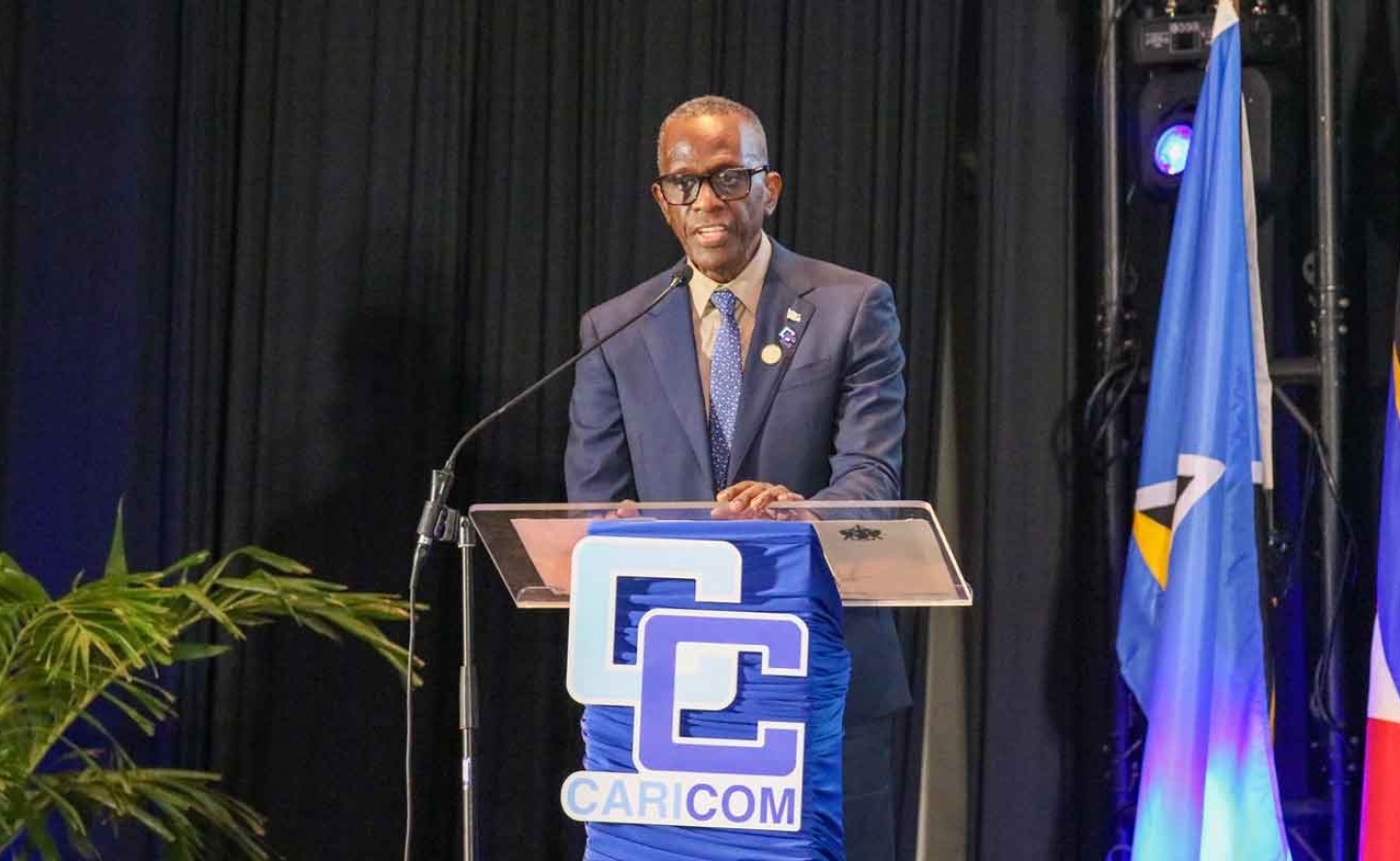
HON PHILIP J PIERRE PRIME MINISTER OF SAINT LUCIA & CHAIRMAN OF THE CARIBBEAN COMMUNITY (CARICOM)
For the first time since freedom came in full in 1838, the Caribbean marks the first of August with a United Nations verdict at its back — and a demand it fully intends to press.
KINGSTON, JAMAICA | 1 AUGUST 2026| Emancipation Day has always been an act of memory. This year it is also an act of leverage. When Caribbean people gather on Saturday to mark the first of August, they do so five months after the United Nations General Assembly did something it had spent eight decades avoiding.
On 25 March, the International Day of Remembrance of the Victims of Slavery and the Transatlantic Slave Trade, member states adopted Resolution A/80/L.48, declaring the trafficking of enslaved Africans and the racialised chattel enslavement that followed to be the gravest crime against humanity. The count was 123 in favour, 52 abstentions and three against: the United States, Israel and Argentina.
Ghana carried the resolution. The African Union and CARICOM carried Ghana. And the text does not stop at description. It calls for the restitution of looted cultural property, for formal apologies, and for consideration of compensation and other reparatory measures. That is the ground on which this Emancipation Day stands.
A Chairman Speaks for the Region
Prime Minister Philip J. Pierre of Saint Lucia marks the day wearing two hats, having assumed CARICOM’s rotating chairmanship on 1 July and hosted the Fifty-First Heads of Government Meeting in Gros Islet days later. His Emancipation Day message refuses the comfortable version of the story.
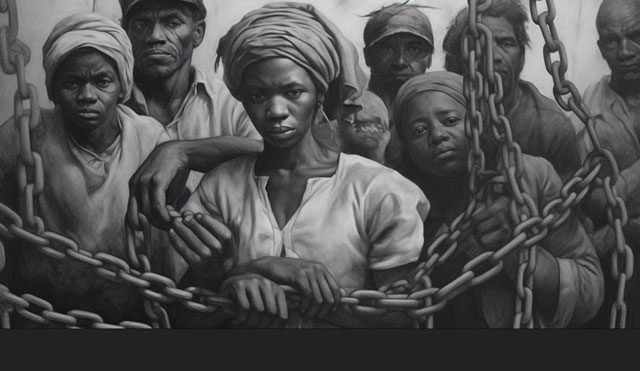
Our ancestors, he reminds the region, walked into freedom without land, without wealth and without compensation, while those who had profited from their labour were paid. The end of slavery, he says plainly, was not the end of injustice. On reparations he is careful and unyielding: the pursuit is not about blame and not about revenge, but about truth and justice for human suffering.
Note where he files it. Reparations sits alongside food security, energy costs and youth opportunity, gathered under one phrase: the unfinished journey of emancipation. Not a grievance in a separate drawer. A development agenda.
Durban at Twenty-Five
This first of August also opens the twenty-fifth anniversary year of the Durban Declaration and Programme of Action, adopted at the 2001 World Conference Against Racism. The CARICOM Reparations Commission calls it the most comprehensive international framework yet built for confronting the legacies of enslavement, colonialism and systemic racism, and urges states to resist any effort to diminish its relevance.
“Durban said the trade should have been a crime. The General Assembly has now said that it is one.”
The arithmetic between 2001 and 2026 tells its own story. At Durban, major Western states walked out of the room rather than sit through this language. In New York in March, they stayed, voted no or abstained, and were outvoted by 123 countries. That shift, from the conditional to the declarative, is what a quarter century of Caribbean advocacy bought.
From Manifesto to Machinery
The Commission is not treating the vote as a finish line. It has relaunched an expanded Ten Point Plan for Reparatory Justice, subtitled A Manifesto for the Coming Enlightenment, approved by Heads of Government at Gros Islet in July and carried this month to Westminster by a delegation led by Professor Sir Hilary Beckles. Ghana convened a high-level consultative conference on reparations in Accra in June.
The expanded plan widens the 2014 framework to take in decolonisation, the sexual exploitation of enslaved women, indentureship and climate justice, alongside the original demands for apology, debt cancellation and development support. Beckles put the strategic position bluntly after the Saint Lucia meeting: the case has been made, and what remains is implementation and demand.
The Case Against, Fairly Put
 None of this settles the matter, and the region gains nothing by pretending otherwise. The resolution is not legally binding. London acknowledges the horror of the trade and its lasting scars while declining, as successive British governments have declined, to accept legal liability or entertain compensation. Washington’s representative dismissed the text as highly problematic in countless respects. European governments argue that acts lawful under the law of their time cannot be retroactively criminalised by a General Assembly declaration.
Caribbean jurists dispute that premise, noting that slavery’s supposed legality in the metropole was never as settled as the defence requires. But the honest reading is this: the region has won the argument about history and has not yet won the argument about remedy. Those are different fights, and the second has barely begun.
The Distance Still to Travel
A resolution in New York does not repair a roof in Hanover or lift a wage in Castries. It does not reopen a shuttered hotel or put a Caribbean product on a Caribbean supermarket shelf. Pierre knows it, which is why his message sets a domestic test alongside the international one: build economies where Caribbean people create wealth rather than merely consume it, and let emancipation be measured not by how we celebrate but by how we live.
That is the correct standard, and it cuts both ways. The former colonial powers are being asked to account for what they took. Caribbean governments are being asked, by their own chairman, to account for what they have built with what was left.
Our ancestors did not petition for permission to be free. Their descendants have stopped petitioning for permission to be repaid.
— 30 —
