
JAMAICA | BOJ Heard the Cry. Will the Banks Feel the Pinch?
JAMAICA | BOJ Heard the Cry. Will the Banks Feel the Pinch?
Parliament voted down Fitz Jackson's bank-fee bill. The central bank's answer is a website. The central bank's fee-comparison portal goes live on Monday. It is proof that Nethersole Place has been listening. Whether the commercial banks have is another matter.
MONTEGO BAY, Jamaica, November 22, 2026 — Who says the Bank of Jamaica is tone deaf? On Monday the central bank switches on BankSmart Jamaica, a web portal that presents the commercial banks’ fees, charges, interest rates and foreign exchange rates side by side in one place.
After more than a decade of Jamaicans complaining that they are being charged to deposit, withdraw and move their own money, the regulator has answered.
The question is whether it has answered the complaint Jamaicans actually made.
A thirteen-year cry
Nobody has carried that complaint longer than St Catherine Southern MP Fitz Jackson. In November 2013, as a government backbencher, he moved a motion asking the House to demand a BOJ report on bank fees.
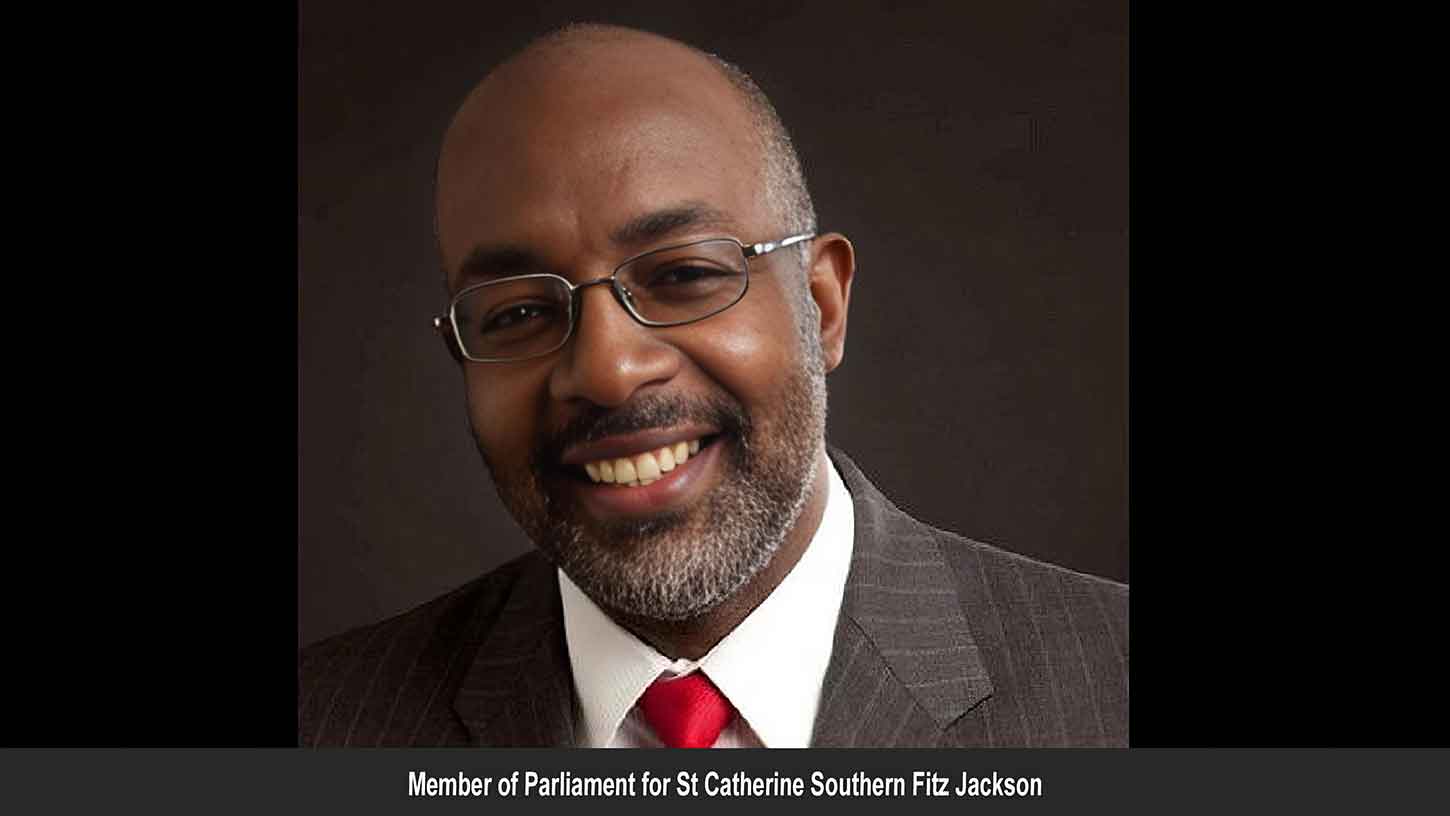 In 2017, by then in Opposition, he tabled a private member’s bill to amend the Banking Services Act, with a minimum package of services every bank would have to offer as its non-negotiable core. He called the banks’ conduct predatory and their customers “defenceless depositors”.
The banks did not blink. National Commercial Bank raised fees while the debate was still under way. In February 2018 the governing Jamaica Labour Party used its majority to defeat the bill. Jackson put it back on the Order Paper, where, by his account, the Government declined to bring it to a vote.
So he went to court. In 2022 he sued Scotiabank over a fee charged to cash a cheque. The Supreme Court ruled for the bank in November 2024; this June the Court of Appeal gave him leave to challenge that ruling. Scotiabank has since withdrawn the fee. Jackson told The Gleaner he was “very pleased and encouraged”.
The numbers behind the anger
The grievance is not imaginary. The BOJ’s own 2025 annual report shows pre-tax profits at deposit-taking institutions jumping 32 per cent, from $39.7 billion to $52.6 billion. Over the same stretch the fee schedules kept lengthening.
Scotiabank began charging $19.55 in June for ACH transfers that used to be free. Sagicor Bank introduced a $59.23 charge in March for certain over-the-counter deposits and withdrawals where a machine is available.
Most galling of all: the central bank cut its own RTGS charge to the banks from $100 to $30 in 2022. The saving, the Jamaica Observer reported in April, did not find its way to customers.
A portal shows the price. It does not change the price.
And through it all the regulator’s position has not moved. The BOJ does not regulate bank fees, and it cannot give itself that power. Only Parliament can.
What BankSmart does, and does not
BankSmartJA will live at banksmartja.com, banksmartjamaica.com that's on the BOJ’s website, backed by a public education campaign themed “Be Smart Jamaica” and the tagline “Click. Compare. Choose.”
Its stated aim is transparency and greater competition among the banks. Finance Minister Fayval Williams promised it in the March Budget Debate. It was first pencilled in for March; it arrives in November.
Credit where it is due. The BOJ has published the banks’ fee schedules for years, but as annual tables on its website. A tool that lets a shopkeeper in Lucea or a pensioner in Linstead see in seconds who charges what is a real gain.
But information is only power if you can act on it. Senior Deputy Governor Dr Wayne Robinson acknowledged in August that two institutions control roughly 60 per cent of deposits.
A Fair Trading Commission survey found 59 per cent of customers would switch banks for lower fees, yet 63 per cent were still with the bank where they opened their first account.
The BOJ advises consumers to verify rates and fees directly with the bank before transacting, because what the portal displays may differ from current offers. A comparison site that sends you back to the counter to check has work left to do.
The other side of the ledger
The BOJ’s theory is not frivolous. The Fair Trading Commission argued in 2017 that regulating fees was premature because the sector was amenable to competition, and the Private Sector Organisation of Jamaica opposed Jackson’s bill outright.
Robinson’s formula is to “empower consumers” and let rivalry do the rest. The FTC’s latest study says competition has indeed improved over 25 years, even as the big players still dominate.
So no, the BOJ is not tone deaf. It heard, and it has answered with the tool it has: information. The law Jackson wanted was never the central bank’s to write. That job belongs to Parliament, which voted it down. Monday is the start of the test of whether information is enough.
If, a year from now, BankSmart shows the numbers falling, the central bank will be vindicated. If it shows only higher fees more conveniently arranged, Jackson’s argument will still be standing, and so will the Jamaican in the banking hall, paying to reach his own money.
— 30 —
