
CUBA | Washington’s Noose Tightens: Trump’s Executive Order Threatens Genocide against the Cuban People
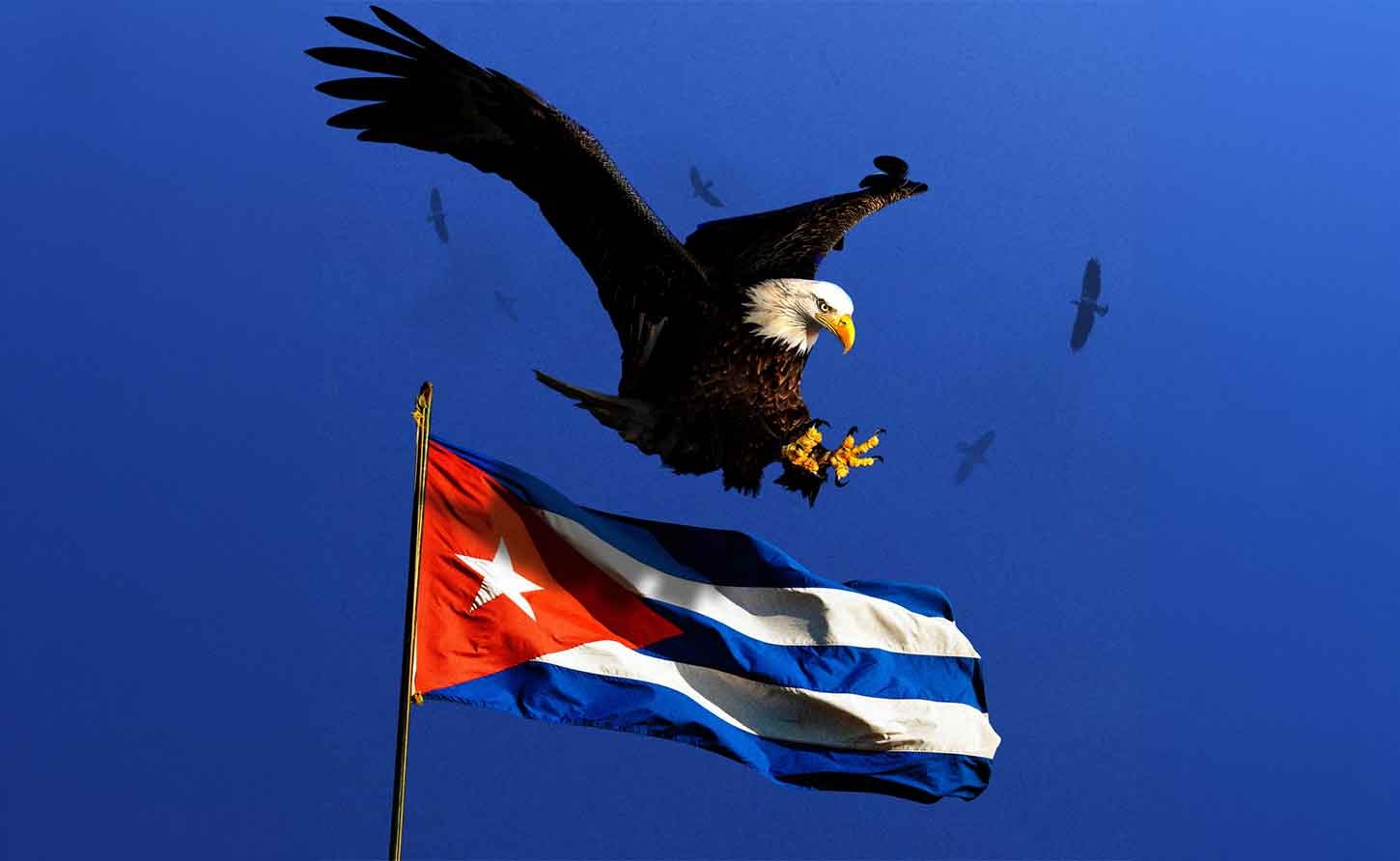
CUBA | Washington’s Noose Tightens: Trump’s Executive Order Threatens Genocide against the Cuban People
A White House Executive Order signed May 1, 2026, and the Treasury’s designation of Cuban entities six days later, have taken Washington’s decades-long economic war against Cuba to a ruthless and unprecedented extreme — one that the Cuban government is calling what it is: genocide.
KINGSTON, Jamaica | May 8, 2026 | Calvin G. Brown | On May 1, 2026 — International Workers’ Day, with its bitter irony fully intact — the White House signed an Executive Order intensifying, to what the Cuban Ministry of Foreign Affairs has described as “extreme and unprecedented levels,” the economic, financial, and commercial blockade against Cuba.
Six days later, the United States Treasury Department added Cuban entities GAESA and MoaNickel SA to the List of Specially Designated Nationals. The noose, already strangling a nation for nearly seven decades, was pulled tighter still.
This is not policy. This is punishment. And the Cuban government has refused to dress it in diplomatic language.
The Anatomy of Economic Warfare
The designation of GAESA — Cuba’s military-linked commercial conglomerate — and MoaNickel SA is not a bureaucratic action. It is a surgical strike at the arteries of the Cuban economy, and its implications extend far beyond Havana’s corridors of power.
The Treasury move triggers the extraterritorial reach of secondary sanctions, placing foreign companies, banks, and financial institutions on notice: do business with Cuba, and face consequences from Washington.
That means a European bank processing a routine transaction, a Canadian mining company with Caribbean operations, or a Latin American firm conducting entirely legal commerce with Cuba could now find itself in Washington’s crosshairs — not because of any connection to United States territory or law, but because the Trump administration has appointed itself the world’s economic policeman, as Havana puts it, “in blatant violation of international law.”
“No country is exempt from this threat… attempting to force Cuba’s isolation from the international economic and financial scene.”
— Cuban Ministry of Foreign Affairs, May 7, 2026
Fuel Embargo: The Knife Already in the Wound
The May 1 Executive Order did not arrive in a vacuum. It lands on top of an oil blockade imposed on January 29, 2026, which has already paralyzed fuel exports to the island — crippling transportation, agriculture, hospitals, and every dimension of daily Cuban life.
Washington’s strategy is transparent in its cruelty: layer sanction upon sanction, choke supply chains, drain reserves, and manufacture the conditions for a humanitarian catastrophe. The Cuban Foreign Ministry is explicit: the United States government intends to “create a humanitarian crisis to justify more dangerous actions, including military aggression against Cuba.”
This is not deterrence. This is the architecture of regime change by economic strangulation — a strategy that has failed for sixty-seven years, causing immeasurable suffering to ordinary Cuban men, women, and children who bear no responsibility for decisions made in Havana’s government ministries.
The Caribbean Must Not Be Intimidated
For the Caribbean, these developments carry an urgency that transcends the bilateral relationship between Washington and Havana. Cuba is a Caribbean nation. The island that the region recognized with historic boldness on December 8, 1972 — when Jamaica, Barbados, Guyana, and Trinidad and Tobago defied Washington and established diplomatic relations, marking one of the most sovereign acts in post-independence Caribbean history — is today under existential economic siege.
The extraterritorial ambition of these sanctions means Caribbean businesses, banks, and governments are not bystanders. They are targets.
The Cuban Foreign Ministry’s warning is direct: Washington’s aggression will only succeed if sovereign nations allow themselves to be intimidated. CARICOM governments must hear that warning and respond with the same clarity of conscience that guided their predecessors in 1972.
Call It What It Is
Cuba has used the word “genocide.” That is not hyperbole. The systematic, sustained, and deliberate destruction of the economic conditions necessary for a people’s survival — denying fuel, blocking commerce, threatening any nation that offers a lifeline — meets the threshold of what international law recognizes as a crime against humanity.
Nearly seven decades of blockade have not broken Cuba. But they have starved children, collapsed healthcare systems during crises, and imposed a grinding poverty on a population whose only offense is refusing to submit to Washington’s imperial will.
The Trump administration’s May 1 Executive Order is not a new chapter in this history. It is the same story, written with greater malice and less shame. The international community condemned this blockade in resolution after resolution at the United Nations. The world knows what this is. The Caribbean knows what this is.
The only question that remains is whether the nations of this region — many of which owe their own sovereignty to the principle that small nations have the right to chart their own course — will stand firm, speak plainly, and refuse to be complicit in Washington’s slow-motion war against the Cuban people.
History will not be forgiving of those who stay silent.
— 30 —
