
AFRICA | Pretoria’s Mass Deportations: 53,000 Gone in Five Weeks — Deportation Drive Shakes Southern Africa
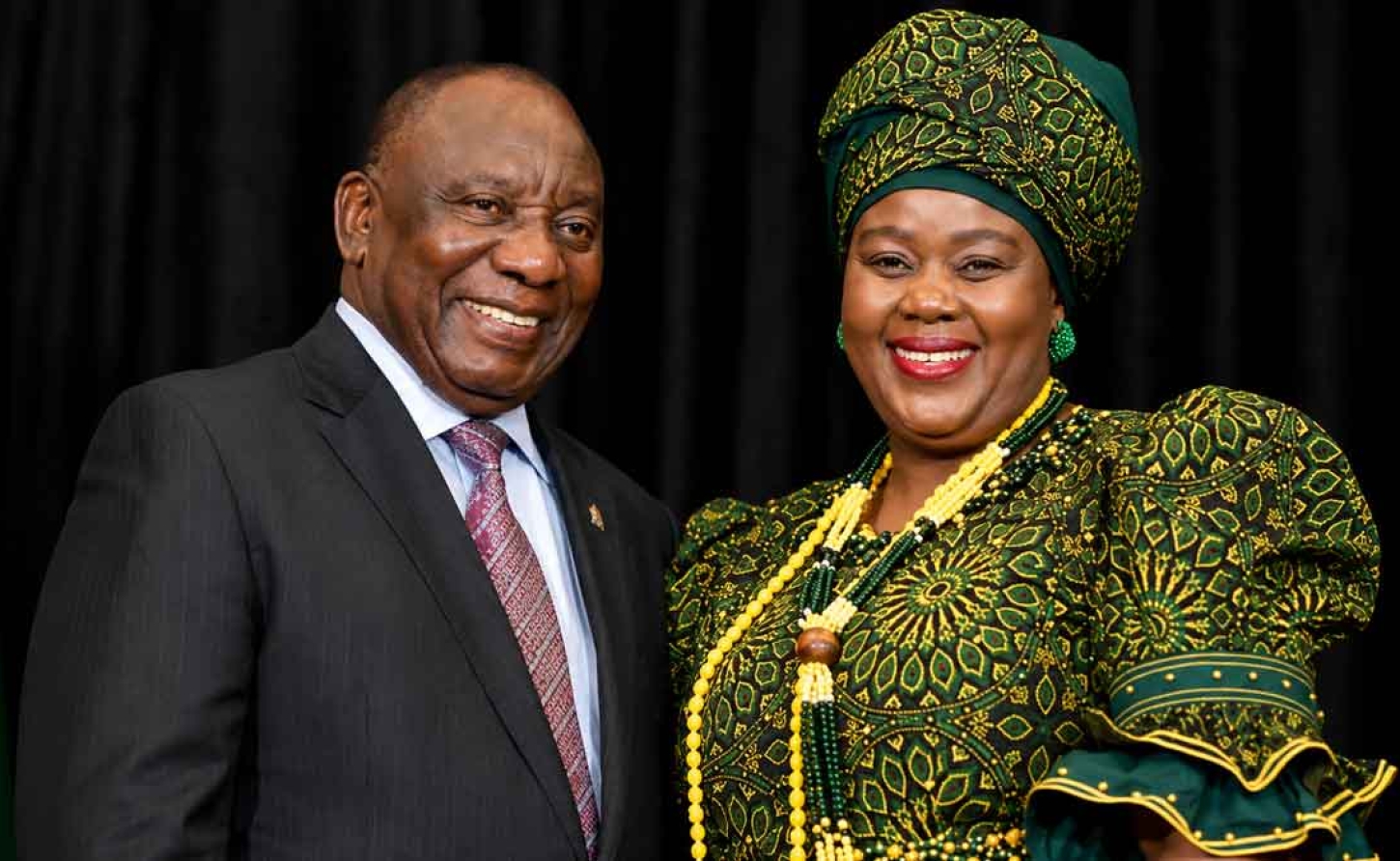
President Cyril Ramaphosa and Justice Minister Mmamoloko Kubayi
Pretoria has expelled more than 53,000 African migrants in five weeks under pressure from anti-migrant street movements — and the bill is being paid by the very neighbours who bankrolled South Africa’s liberation in blood.
MONTEGO BAY, July 14, 2026 - Calvin G. Brown | When Justice Minister Mmamoloko Kubayi faced the cameras in Pretoria on Sunday, the arithmetic she delivered was staggering: 53,449 foreign nationals processed for deportation or repatriation in barely five weeks, as of the close of business on 11 July. More than 80 per cent were Malawians; Zimbabweans and Mozambicans accounted for most of the remainder.
It is one of the most aggressive expulsion campaigns modern Africa has seen, and it is unfolding not in some fragile state at war with itself, but in the continent’s most industrialised economy — a country whose own liberation was underwritten by the neighbours it is now sending home by the busload.
The numbers behind the exodus
The machinery of removal has been relentless. In June alone, 4,898 people were deported following arrests — 1,929 Malawians, 1,384 Zimbabweans, 1,200 Mozambicans and 342 Basotho. A Temporary Repatriation Processing Centre at Musina, opened on 1 July, has pushed through more than 20,000 people. Beyond the Southern African Development Community, 2,615 nationals of Nigeria, Uganda, Kenya and the Congo have been flown home.
Kubayi insists the state is pursuing “orderly and regular migration” while respecting human dignity. But the trigger for this blitz was not orderly at all. It was the street.
Governing by ultimatum
Anti-migrant movements — Operation Dudula chief among them — set an unofficial deadline of 30 June for undocumented migrants to leave, then brought protests to Gauteng, KwaZulu-Natal and the Western Cape. Vigilante “inspectors” have entered factories hunting foreign workers. Campaigners have now given President Cyril Ramaphosa until year-end to deliver mass deportations and workplace quotas, promising weekly protests until he does.
In a society where one in three is unemployed and municipal services are crumbling, migrants have become the lightning rod for failures that are, in truth, home-grown. The United Nations has warned against the scapegoating. At least three migrant deaths are under police investigation, and Nigeria says two of its citizens were killed — a claim Pretoria disputes.
The Frontline States pay again
Here lies the bitter historical irony. The countries absorbing these returnees — Mozambique, Zimbabwe, Malawi, Lesotho — are heirs to the Frontline States that sheltered ANC exiles and paid for that solidarity in apartheid-era raids, destabilisation wars and economic sabotage. Ubuntu, the southern African philosophy that “I am because we are,” was not an abstraction then. It was buses, safe houses and graves.
When African governments must evacuate their nationals from a fellow African democracy, something fundamental has broken.
Now Malawi, the region’s poorest large state, could not even fund the buses to carry its own citizens home — forcing Pretoria to launch “assisted repatriation” from 14 June. Ghana, Nigeria, Uganda and Kenya organised airlifts for citizens fleeing intimidation. The optics are devastating: the richest economy on the continent expelling the poorest people in the region, faster than their governments can receive them.
The remittance time-bomb
The economic shockwave will travel north. Hundreds of thousands of families in Malawi, Zimbabwe and Mozambique survive on wages earned in South African kitchens, farms and mines. Mass returns mean collapsing remittances landing on states already staggering — Zimbabwe under chronic economic strain, Mozambique still recovering from conflict and cyclones. South Africa may, in effect, be exporting its unemployment crisis to the neighbours least equipped to absorb it.
SADC’s deafening silence
Most telling is the silence of SADC itself. A bloc that preaches integration, champions the African Continental Free Trade Area and speaks of eventual free movement has watched its anchor economy fence itself off with barely a murmur. Member states, dependent on South African trade and investment, dare not confront Pretoria directly. But the deportation drive has hollowed out the credibility of every regional integration communiqué signed in the past decade.
A test of who South Africa is
Ramaphosa’s government is walking a razor’s edge: enforcing immigration law to appease a furious electorate while condemning the vigilantism that supplied the pressure. Kubayi has warned citizens against searching homes and businesses, and the government has declared the protesters’ deadlines legally void. Yet the state’s own accelerating removals reward the very movements it rebukes.
South Africa’s domestic grievances are real. But the country that owes its freedom to its neighbours now faces a defining question: can it manage those pressures without breaking the region that carried it? History records who paid for South Africa’s liberation. It is now recording who is paying for its politics.
— 30 —
