
DIASPORA | ‘They Are Treating Us Like Slaves’: Jamaican Pastor Shipped to Eswatini as Kingston Stays Silent
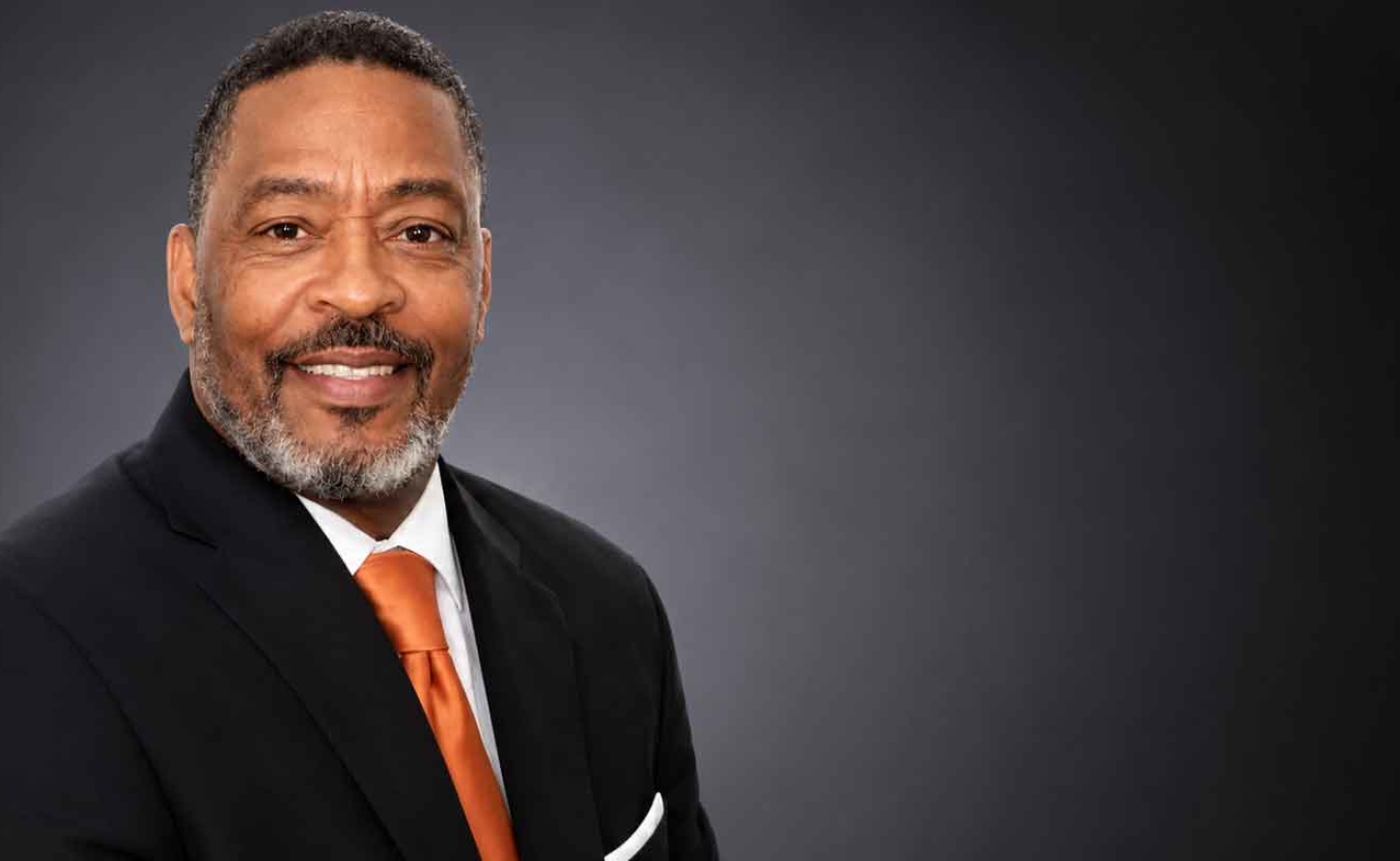
Jamaican Junior Alves who was transported to Eswatini by American officials on Tuesday under its third-country national deal.
A 64-year-old churchman with 44 years in America, court-ordered protection against removal, and a congregation that depends on him now sits in a maximum-security cell in southern Africa. His case indicts Washington’s cruelty — and exposes the hollowness of Kingston’s assurances
DIASPORA | July 11, 2026 - When United States Immigration and Customs Enforcement (ICE) agents arrested Junior Alves in a Florida churchyard on January 11 — metres from his home, on his way to a shop — the 64-year-old pastor could scarcely have imagined where the road would end: a maximum-security prison in Eswatini, a landlocked African kingdom he had never seen, half a world from the family he raised and the community he fed.
Alves, who has lived in the US for 44 years, was among 11 people flown to the southern African state on Wednesday under Washington’s third-country nationals (TCN) programme — the second Jamaican consigned to Eswatini in under a year.
The Label and the Man
US Secretary of State Marco Rubio has described the programme’s human cargo in language that leaves nothing to the imagination. Washington, he told a Cabinet meeting, was asking governments to accept “some of the most despicable human beings” as “a favor to us” — and the further from America, the better, so they cannot come back across the border.
Set that description against the man now caged in Eswatini. Alves is a father of eight and grandfather of 11, all born on American soil. He and his wife run a transport business and were preparing to open a new office when ICE swooped.
Speaking to the Jamaica Observer from prison, he described feeding more than 250 homeless people every Saturday, finding work for the jobless, and serving as a community leader. The people he helps, he said, are the very ones authorities want taken away.
A Protection Shredded

Donald Trump tours aligator alcatraz in Florida where Jamaican Pastor Junior Alves was housed before he was transferred to Eswatini in southern Africa.
None of it mattered. Alves says he invoked his CAT status to the agents who seized him and to the officer who supervised his reporting. He was shuttled from a Miramar detention centre to the Florida facility detainees call “Alcatraz”.
When he refused to sign removal papers, he recounts, an ICE officer told him he was going to “the African country” whether he knew it or not — and threatened to wrap him in plastic if he resisted. Eighteen hours later, heavily armed men ordered him off a plane and into prison. No charge. No trial. No crime.
“They are taking us back to the slavery days where you have no value of your own life.”— Pastor Junior Alves, from a maximum-security prison in Eswatini
The Middle Passage, in Reverse
Alves’s analogy is not rhetorical excess. A Black man, seized near his home, transported in custody across the Atlantic to an African territory with which he has no tie, held at the pleasure of governments trading in human beings — the direction has reversed; the logic has not.
Eswatini, Africa’s last absolute monarchy, has confirmed receiving roughly US$5.1 million from Washington to accept 160 deportees, nominally for border management. The kingdom insists the men are held temporarily, pending return to their countries of origin. Translation: they are jailed indefinitely, without due process, while diplomatic paperwork crawls.
Kingston’s Deafening Silence
Jamaica has seen this before. Last July, Orville Etoria became the first Jamaican dumped in Eswatini, on a flight whose passengers US Homeland Security branded too “uniquely barbaric” for their own countries to take back — a claim governments disputed. Etoria, who had completed his US sentence, was repatriated in September with help from the International Organization for Migration, the Ministry of Foreign Affairs duly reaffirming that the well-being of Jamaicans overseas is “a constant priority”.
Fine words. Yet days after Alves’s rendition, the ministry has said nothing. The silence lands harder because the Holness administration is itself negotiating a TCN memorandum with Washington — talks the Jamaica Council of Churches has demanded be halted, citing a total lack of transparency and the risk of the very chain refoulement now on display.
The Government has repeatedly assured that no Jamaican expelled from the US would be refused entry to his homeland. Meanwhile a Jamaican pastor, whose only surviving relative is a sister in Kingston, sits in an African cell wondering aloud whether his country will accept him.
Alves has vowed that once home, he will “fight them to the end”. A 64-year-old man of the cloth should not have to fight alone. The question his case forces on Kingston is brutally simple: if court-ordered protection, 44 years of residence and a lifetime of service cannot shield a Jamaican from being trafficked across the world at Washington’s convenience, what — and whom — will this Government actually defend?
— 30 —
