
CARIBBEAN | Where Slavery Left Its Mark: UNESCO Tours the Heritage Sites From Rio to the Blue Mountains
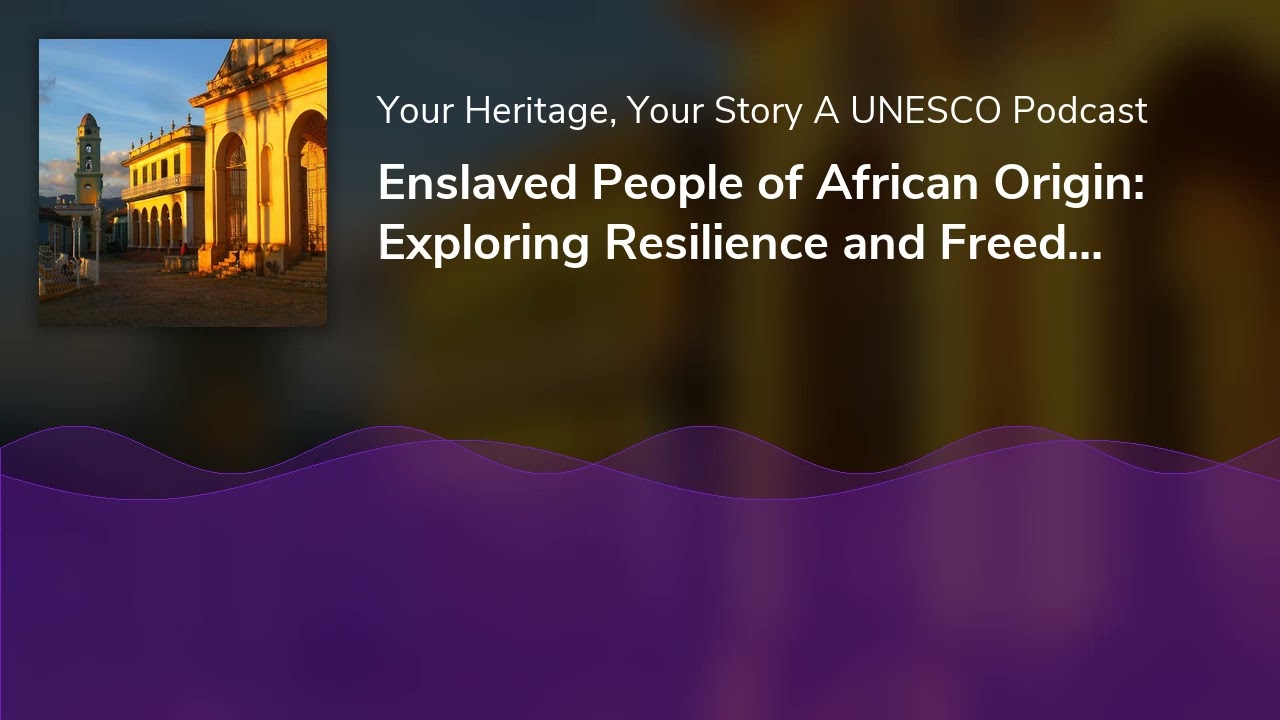
UNESCO, Enslaved People of African Origin: Exploring Resilience and Freedom through World Heritage Sites
UNESCO published Enslaved People of African Origin: Exploring Resilience and Freedom through World Heritage Sites on 16 January 2026. The film runs about 38 minutes.
It opens at Cais do Valongo in Rio de Janeiro, which UNESCO describes as “once the largest port of arrival for enslaved Africans in the Americas” and which is now a World Heritage site. From there it moves through the region: Trinidad and the Valley de los Ingenios in Cuba, “where the echoes of forced labor still resonate.”
Jamaica’s place in the film is the Blue and John Crow Mountains, which UNESCO presents as “a sanctuary of resistance where Maroons fought for freedom.” Haiti’s is the National History Park – Citadel, Sans Souci, Ramiers, “a monumental symbol of the Haitian Revolution.”
The framing is UNESCO’s and it is deliberate: this, the description says, is “not just a story of suffering” but one of “memory, strength, resistance, and the enduring fight for freedom.” The sites are offered as evidence, not scenery.
That is the reason it leads The Big Story. Jamaicans know the Blue Mountains as a landscape. Seeing them set beside Valongo and the Citadel, as one of the places where the history of the Americas was decided, is a different way of looking at home. Contributors include Milton Guran and Susan Otuokon.
Video: UNESCO (@UNESCO), “Enslaved People of African Origin: Exploring Resilience and Freedom through World Heritage Sites”, coordination Rochelle Roca, screenplay, production and editing Ricardo Terto, published 16 January 2026. Quoted passages are from UNESCO’s own published video description. WiredJA is not affiliated with UNESCO.
