
BARBADOS | IT WAS THE “SLAVES” WHO ABOLISHED SLAVERY!
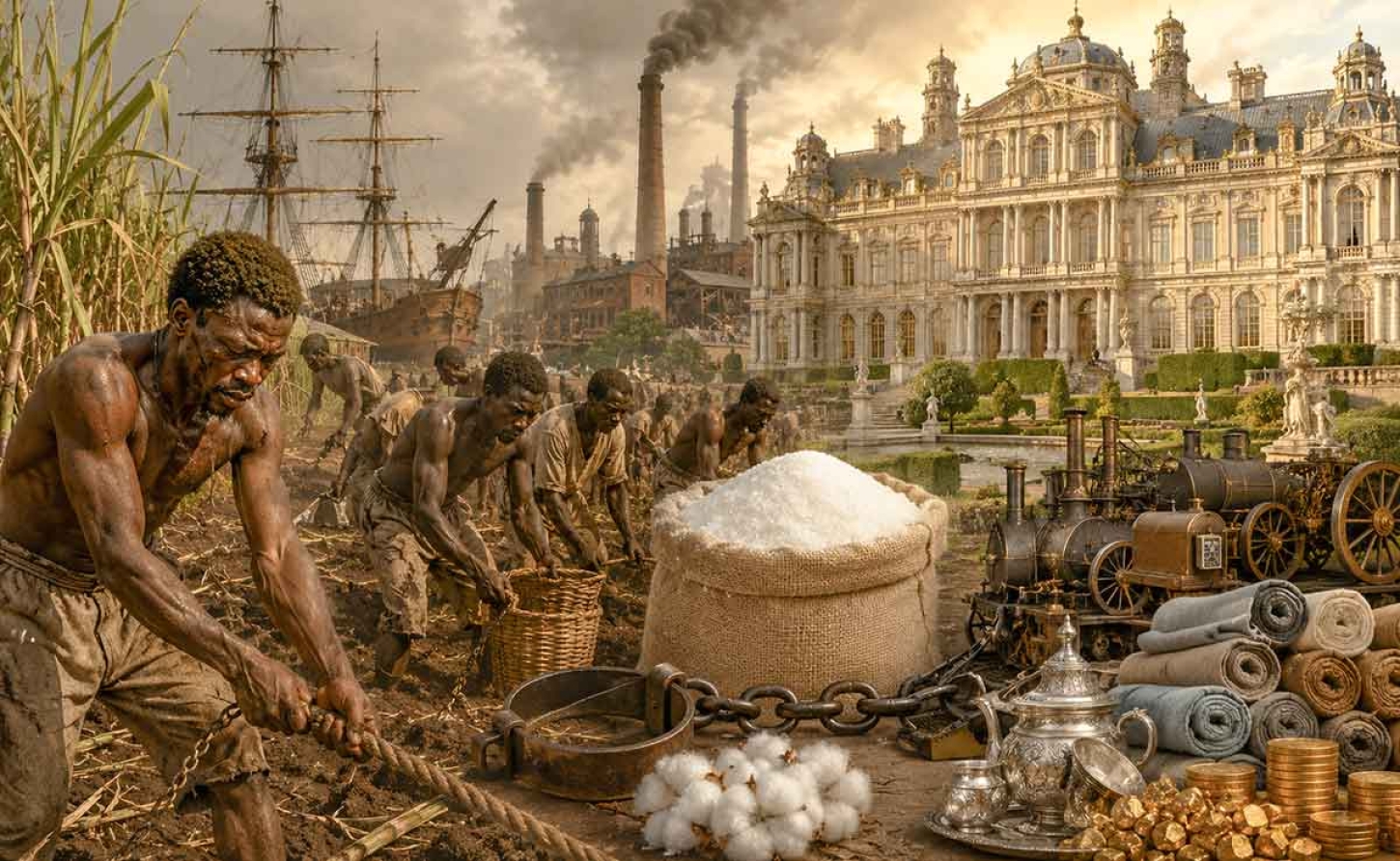
BARBADOS | IT WAS THE “SLAVES” WHO ABOLISHED SLAVERY!
BRIDGETOWN, Barbados, November 4, 2026 -By David Comissiong | Now that our CARICOM Reparations Campaign has entered the phase of negotiations – commencing with the impending Africa/CARICOM/UK ‘structured dialogue” – it is critical that we do not permit any diversionary historical myths to take root and to become an obstacle to a successful negotiation.
And one such historical myth is the notion that it was Britain and its white British citizens that was responsible for the abolition of the system of chattel slavery and the associated “trade” in enslaved Africans.
This myth has been propagated over the past two hundred years by white supremacist propagandists of the British establishment, and it has seemingly become so entrenched that even British officials who are well disposed to our reparatory justice cause have taken to repeating it.
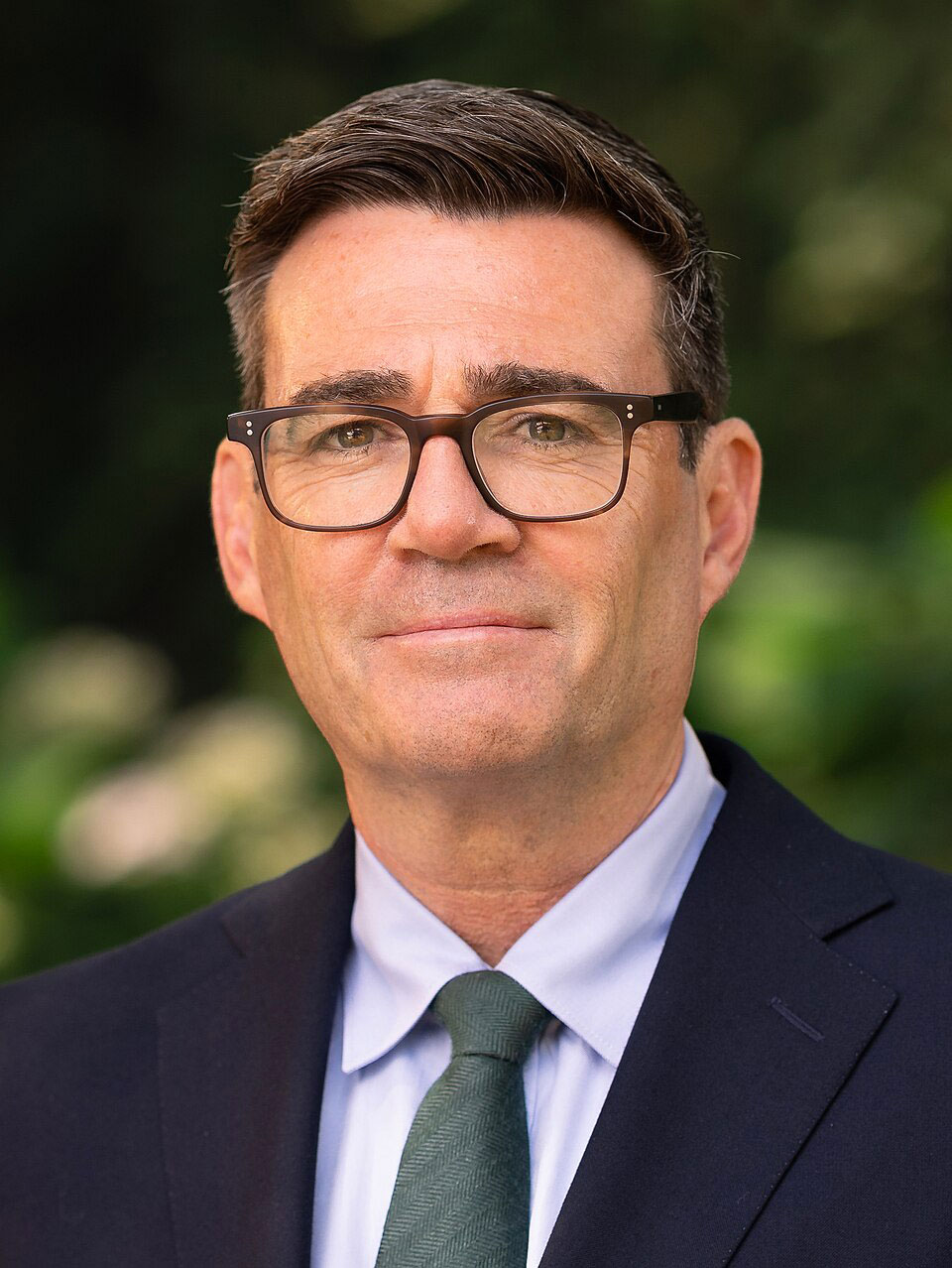
British Prime Minister Andy Burnham
“We are a country where brave people led the way in abolishing slavery……..We led the world in abolishing slavery……..We stand on the shoulders of those such as Thomas Clarkson and the many ordinary people who spoke out for justice and humanity.”
There is also the case of King Charles 111, who addressed the 28th Commonwealth Heads of Government Conference in Antigua on 3rd November 2026, and declared as follows :-
“Character and courage can combine to overcome the most monstrous injustice, as they did with the determination to end the international trade in enslaved people, in which the Royal Navy played such a leading role.”
Both Prime Minister Burnham and King Charles are perpetuating an “historical myth”, for the undeniable truth is that it was our enslaved ancestors who were primarily responsible for the abolition of the entire slavery enterprise.
But, before laying out the factual evidence of that historical truth, it behoves us to take a brief glance at how the British slavery enterprise was established in the first place.
The British “trade” in enslaved Africans started with the two voyages of Britain’s Captain John Hawkins in 1562 and 1564. This is how those voyages were described in several publications, including the 1878 publication of the Hakluyt Society entitled “The Hawkins Voyages”:-
“Hawkins sailed with three ships from England in 1562 ....... in the River Sierra Leone, he captured at least 300 blacks, partly as he said, “By the sword, and partly by other means”.........
In 1564 ........ Hawkins set out on a second voyage ...... The new expedition again made for the River Sierra Leone ..... and every day, went on shore: “to take the Inhabitants ...... burning and spoiling their townes”.
Hawkins’ monarch – Queen Elizabeth 1 – gave her official approval to the venture and actually sent along her 700-ton ship named “Jesus of Lubeck” to be part of Hawkins’ inhuman criminal enterprise.
We can therefore glean from this historical record that the so-called “trade” began with British criminals inflicting murder, mayhem and terror on defenseless towns and villages along the west coast of Africa.
So, British criminals, acting under the auspices of the British monarch or head of state, started the criminal enterprise, but who or what was responsible for its termination ?
The great Caribbean historian, Dr. Eric Williams, identified five sets of factors that ultimately brought down the slavery system that, for some 300 years, had been responsible for the enslavement and murders of tens of millions of Africans.
First of all, he pinpointed economic factors. Put simply, the ‘trade’ and the slave-run West Indian colonies had lost their former importance to the British economy and had therefore become expendable.

The Jesus of Lübeck, was the first British slave ship to arrive in Africa. The ship was chartered by Queen Elizabeth I to a group of merchants led by the Pirate John Hawkins in 1563.Jesus of Lübeck was an early 16th-century carrack built in the Free City of Lübeck. Around 1540 Henry VIII, King of England, bought the ship, which had previously been used for ceremonial purposes, to expand his fleet.
Williams also gave some limited credit to both the humanitarian agitation engaged in by European abolitionists, and to complex considerations of intra-European colonial rivalry, which motivated and drove the policy of the British Government.
But it is the fifth factor identified by Williams that must be stressed - the hundreds of thousands of enslaved Africans of the British West Indies and their record of persistent and unstoppable rebellion !
The British-American historian, Michael Craton, author of the book entitled Testing The Chains, has identified no less than 75 slave plots and rebellions in the British West Indies in the 200 year span between 1638, the beginning phase of British slavery in the West Indies, and 1838, the year in which the slavery system finally collapsed in the British colonies.
The record in our own British colony of Barbados is as follows:
1649: a servile revolt involving slaves as well as white indentured servants
1675: a ‘Coromantee’ plot led by enslaved Africans known as Tony and Cuffee
1683: a plot involving mainly Africa born slaves
1686: another major plot involving hundreds of mainly Africa born slaves
1692: an Afro-creole plot led by Barbados born enslaved Blacks known as Ben, Sambo, Hammon and Sampson - all elite artisans
1701: another major Afro-creole plot involving hundreds of conspirators
1816: the Bussa Rebellion which engulfed half the island and produced such heroes as Nanny Grigg, Jacky, Cain Davis, Joseph Pitt Washington Franklin, and of course General Bussa.
Indeed, the Bussa Rebellion sent such a forceful message of uncompromising hostility to slavery that in 1819, a full three years after the Rebellion, the Governor of Barbados, Lord Combermere, was still writing to the English Colonial Office warning them that “the public mind (in ‘white’ Barbados) is ever tremblingly alive to the dangers of insurrection.”
This oppressive and formidable fear of a climactic Black rebellion was not unique to Barbados. Dr. Eric Williams explained in From Columbus To Castro that :-
“A Negro revolt in the British West Indies in the early 19th century, designed to abolish slavery from below, was widely apprehended, both in the West Indies and in Britain… In the British West Indies, it was no longer a question of slave rebellions if, but slave rebellions unless emancipation was decreed.”
This assessment of the situation was borne out by Daniel O’Connell, the Irish leader in the British House of Commons who, in 1832, declared in Parliament that “the planter was sitting… over a powder magazine, from which he would not go away, and he was hourly afraid that the slave would apply a torch to it.”
A short list of some of the Caribbean slave rebellions that prompted this assessment by O’Connell is as follows :-
1638: a Christmas-time rebellion on the island of Providence, involving hundreds of slaves
1690: a slave uprising in St. Kitts to coincide with a French invasion of the island
1730: the first Maroon War in Jamaica, involving Cudjoe, Nanny, and many other leaders
1735: island-wide Afro-creole plot in Antigua, led by Tacky and Tomboy
1760: Tacky’s massive slave rebellion in Jamaica
1763: Cuffee’s rebellion in Dutch Berbice (present day Guyana)
1769: Chatoyer’s first Carib War in St. Vincent
1785: first Maroon War in Dominica led by Balla and Pharcell
1795: Fedon’s Rebellion in Grenada
1796: the so-called “Brigands’ War” in St. Lucia, involving many slaves
1823: massive rebellion in Demerara (present day Guyana) led by Quamina and many others
1831: the so-called “Baptists War” in Jamaica, led by Deacon Sam Sharpe.
It is not surprising therefore that when Earl Stanley, the Secretary of State for the colonies, came to introduce the Abolition of Slavery Act in the British Parliament, he expressed the view that :-
“They were compelled to act; for they felt that take what course they might, it could not be attended with greater evil than any attempt to uphold the existing state of things.”
Thus, it was really the enslaved Africans themselves who, in the final analysis, were ultimately responsible for the abolition of slavery. The critical factor was their relentless and implacable resistance!
King Charles, Prime Minister Burnham, and all the officials who will be taking part in the ‘structured dialogue” about slavery and reparations need to take very careful note of this historical truth.
DAVID COMISSIONG
Chairman
Barbados National Task Force on Reparations
