DIASPORA | When Jamaica Called, the Diaspora Answered
DIASPORA | When Jamaica Called, the Diaspora Answered
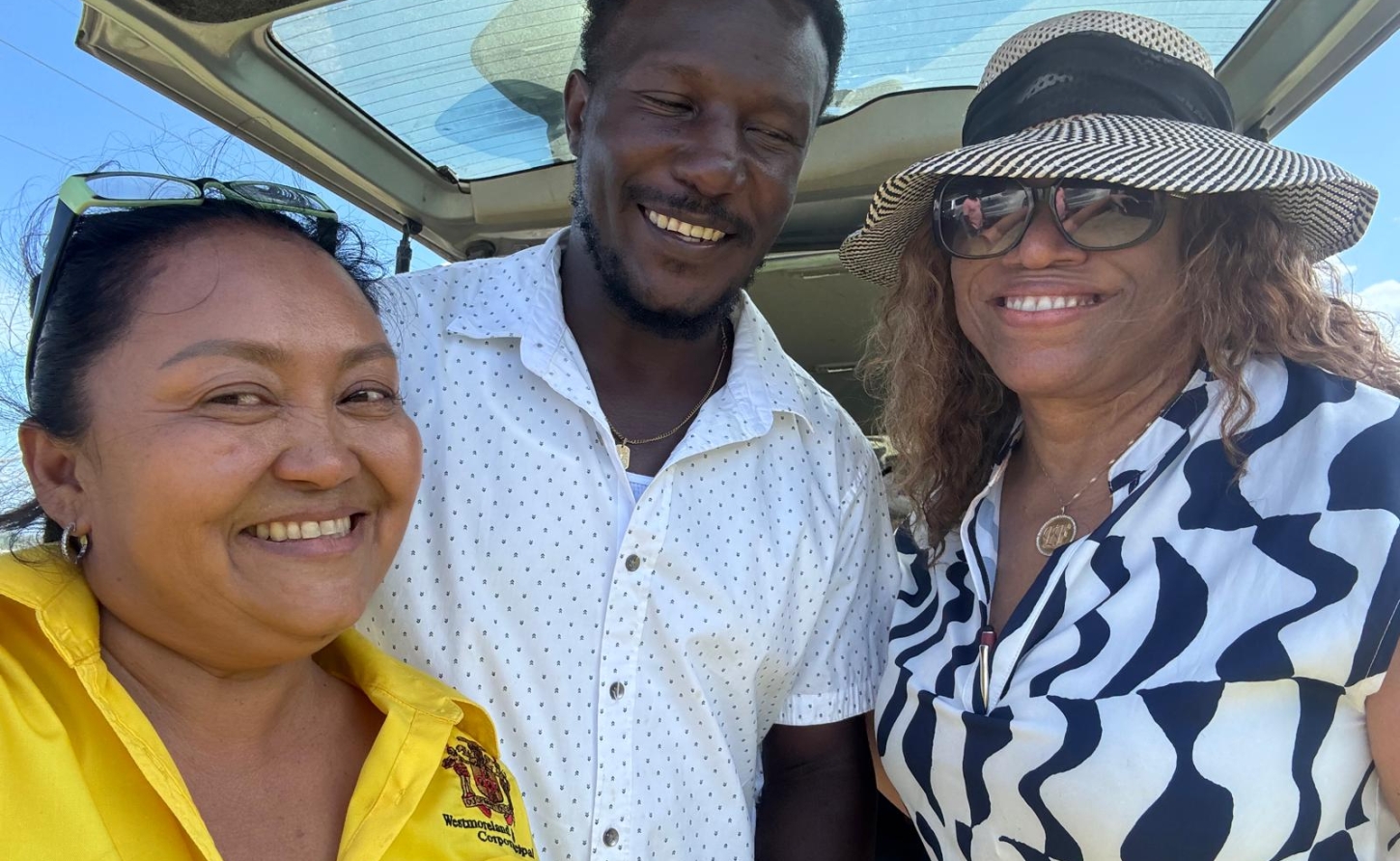
A New Jersey mayor with Trelawny roots, a church, and a Jamaican community organisation brought container loads of relief to Bounty Hall — reaching thousands forgotten in the wreckage of Hurricane Melissa
By Calvin G. Brown | Hurricane Recovery | WiredJa
MONTEGO BAY, Jamaica, March 15, 2026 - When Hurricane Melissa's Category 5 fury raked across western Jamaica, it did not discriminate. It tore through the zinc-roofed homes of Hanover's farming communities with the same ferocity it visited upon the hilltop houses of Trelawny.
It destroyed breadfruit trees and banana plots with equal contempt. And when it was finally done, it left behind something more insidious than debris — it left behind silence. The silence of governments moving slowly.
The silence of bureaucratic relief pipelines clogged by red tape. And for thousands of men, women and children across the rural parishes of Trelawny, Westmoreland, St. Elizabeth and Hanover, the silence of hunger.
It was into that silence that a small but determined coalition of Jamaican diaspora voices, an American mayor, and a New Jersey church congregation refused to stay quiet.
New Jersey Steps In
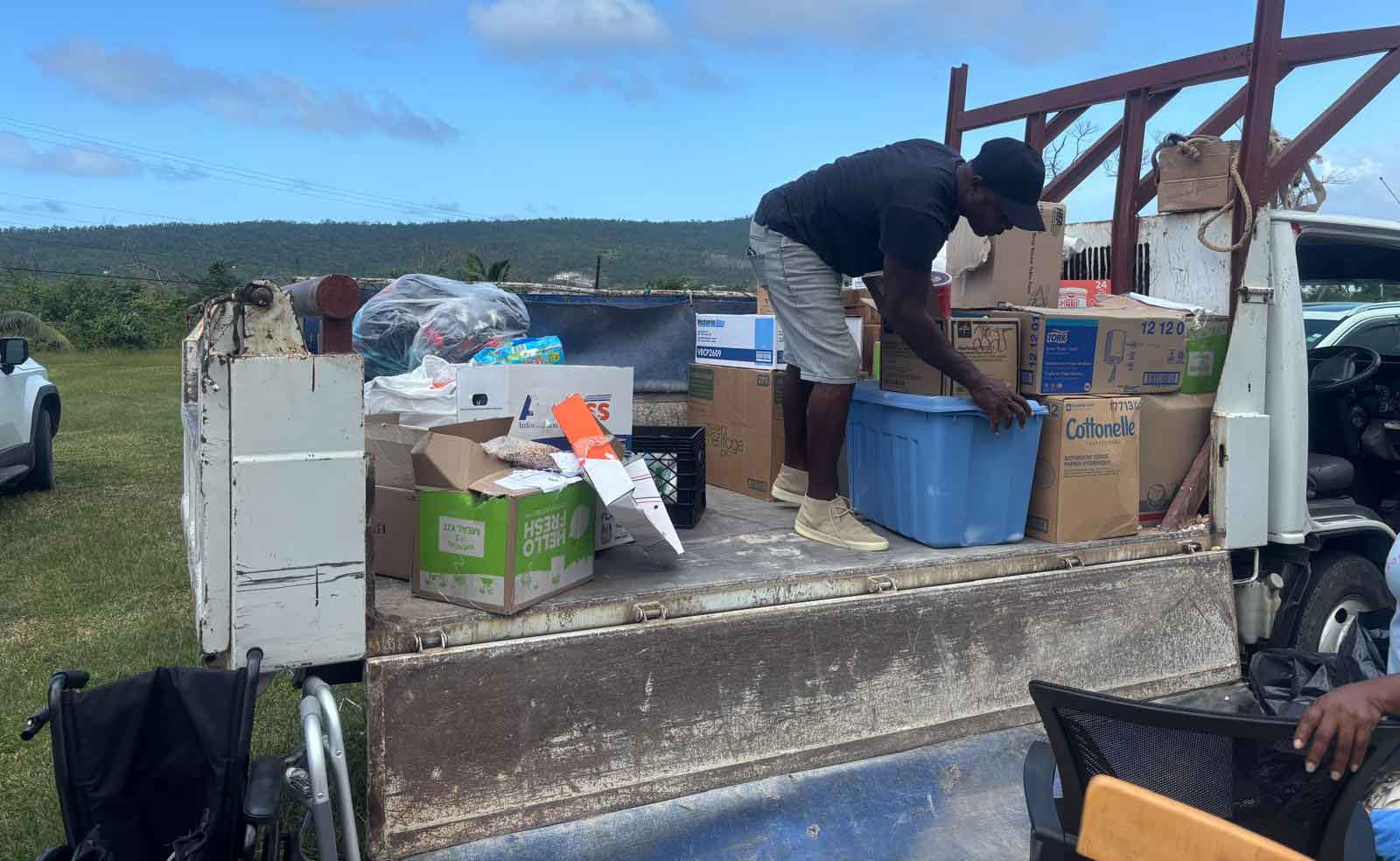
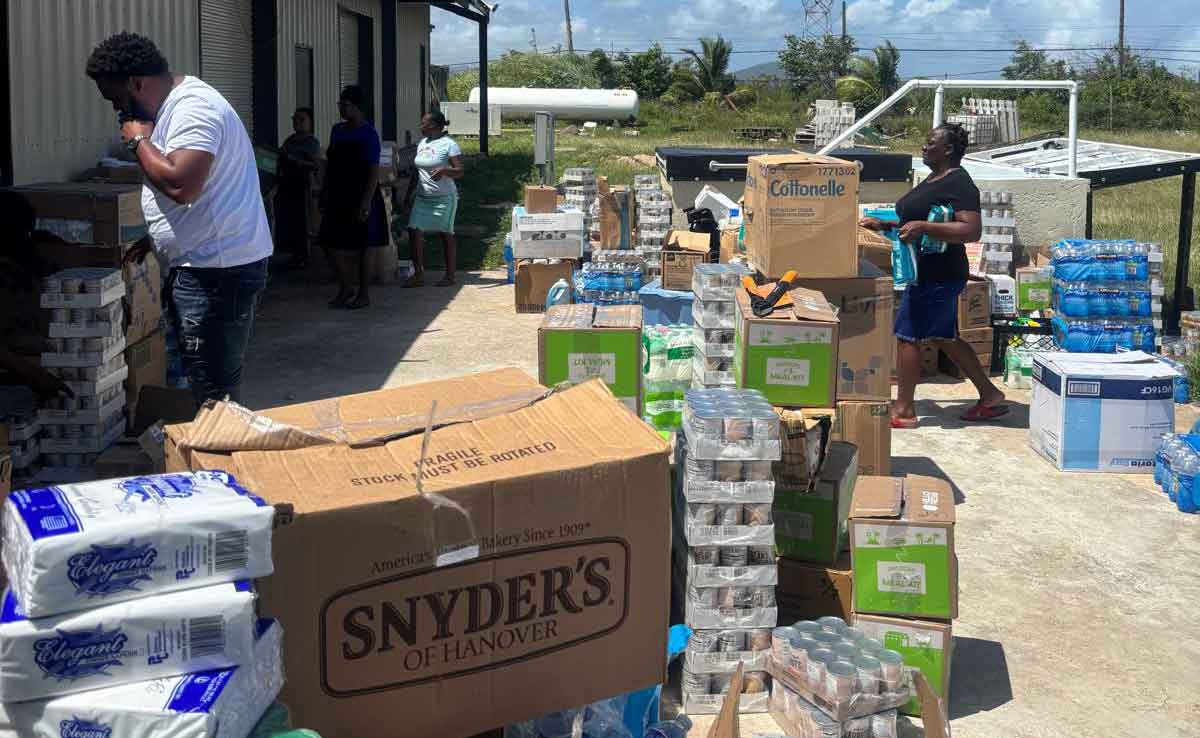 On March 6 and 7, the parking lot of Abundant Life Ministries in Bounty Hall, Trelawny, became the epicentre of a grassroots rescue operation. A relief trailer — stocked to capacity — arrived bearing the organised weight of compassion from thousands of miles away.
The partnership driving that trailer was as unlikely as it was inspiring: the Reformed Church of Highland Park, the Jamaica Organization of New Jersey (JONJ) Middlesex Chapter, and Mayor Elsie Foster of Highland Park, New Jersey.
Forty churches and community organisations converged on Bounty Hall to collect the supplies. Each group walked away with approximately 50 cases of essential goods — rice, flour, sugar, beans, sliced carrots, macaroni and cheese, pancake mix, and cleaning products.
Alongside the food parcels came hygiene items that rarely make it into the headline tallies of disaster relief: toothbrushes, toothpaste, adult diapers, sanitary napkins, and clothing. These are the items that separate bare survival from human dignity.
The effort did not stop at food. Medical supplies were channelled directly to the clinics at Deeside, Wakefield and Bounty Hall — health posts already stretched thin by the demands of a population dealing with injury, illness, and the slow-burning trauma that follows catastrophe.
A Mayor Who Showed Up
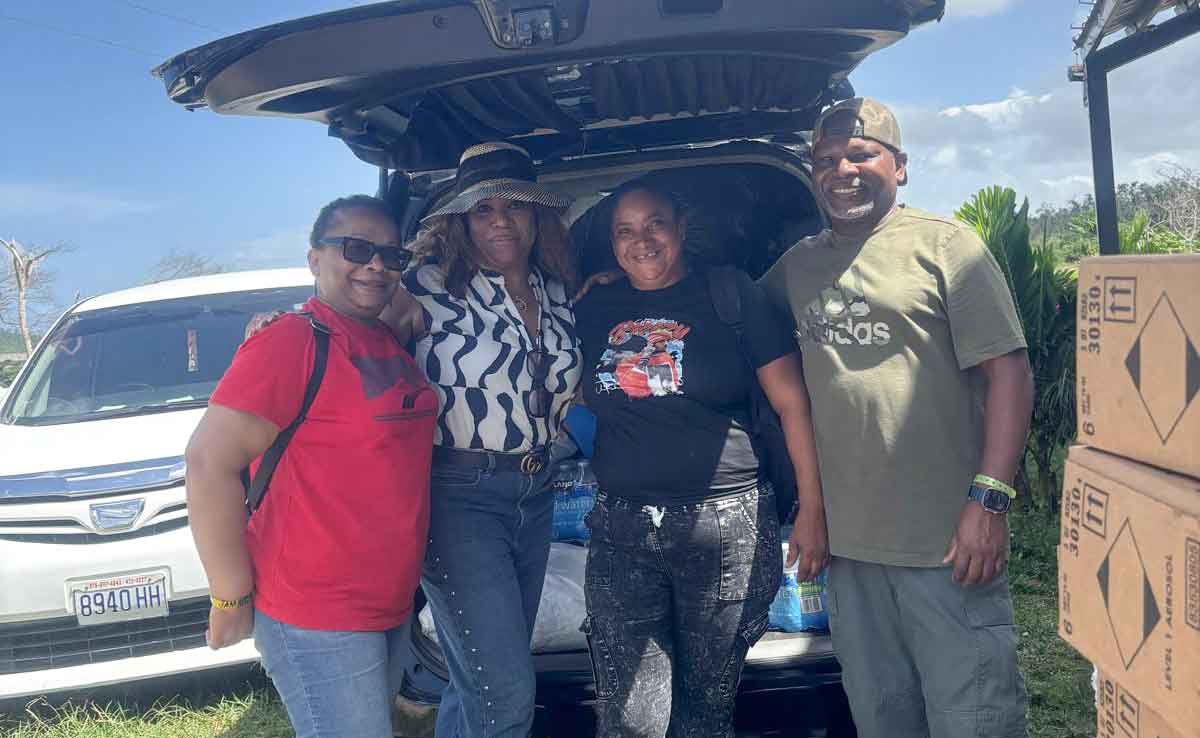 Mayor Elsie Foster of Highland Park, New Jersey, needs to be named plainly for what she did. She did not simply write a cheque. She did not simply lend her name to a press release.
She mobilised the institutional resources of her municipality in partnership with community organisations to deliver tangible, boots-on-the-ground relief to people who had no reason to expect that a mayor from New Jersey would care whether they ate or not.
That she did speaks to something essential about the Jamaican diaspora and the cross-community bonds that bind it to the homeland.
The Jamaican Organisation of New Jersey's Middlesex Chapter functioned as the critical connective tissue — the network of people who know what it means to have grown up near a standpipe in Trelawny and who understand, viscerally, that “community organisation” is not an abstract category but a neighbour, a deacon, a district constable.
The Unsung Architecture of Rescue
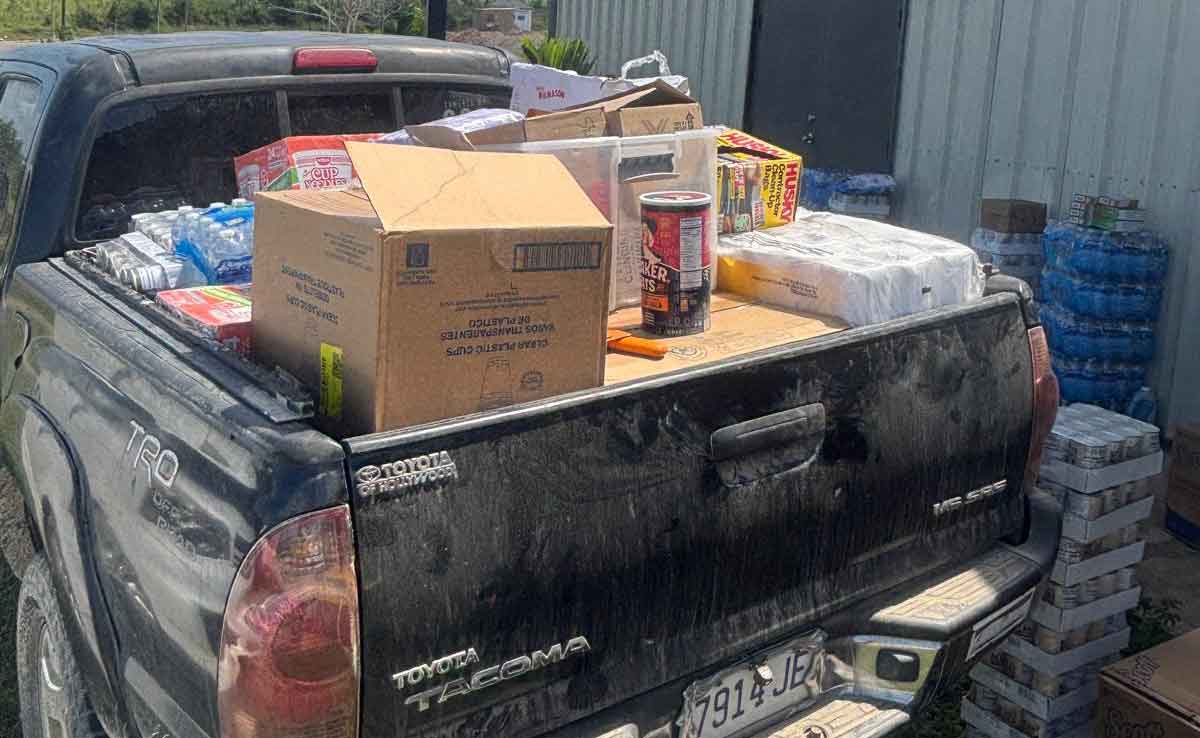 Behind every successful relief operation is the invisible labour that makes the visible one possible. Special recognition has been extended to Pastor Hines of Abundant Life Ministries for opening the church grounds as the distribution hub — a decision that placed the moral authority of the church squarely in service of community need.
The women of Hope Tabernacle in Wakefield, Trelawny, brought the kind of organised, relentless dedication that women across this region have always brought to crises when institutions falter.
And there was Mrs. Schloss — whose meticulous coordination of volunteers and distribution logistics ensured that what could have descended into chaos became an efficient, dignified operation.
It is precisely this kind of individual, rarely celebrated and seldom photographed, who determines whether relief supplies reach people or gather dust.
The People the Storm Left Behind
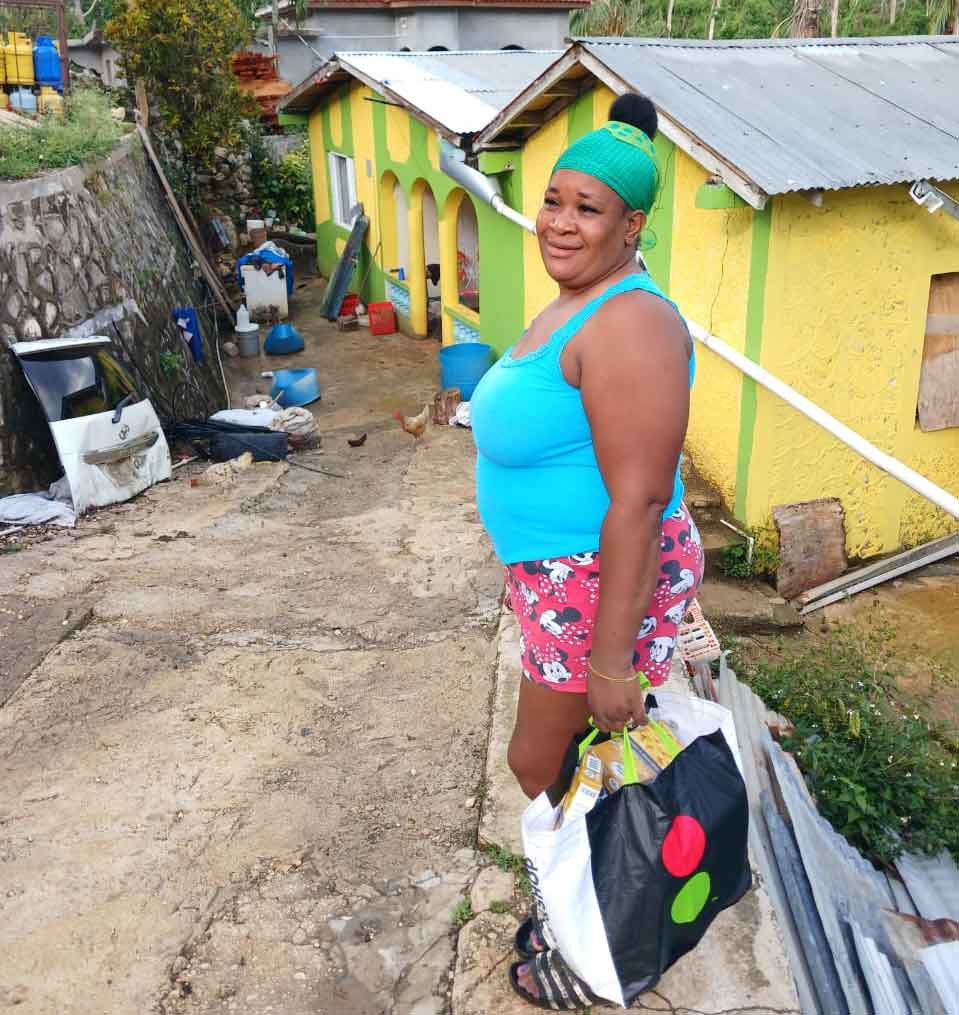 Let us not lose sight of who was being served in Bounty Hall last week. These were not abstractions. They were the same farming families of Trelawny who produce the yams and dasheen that feed this island. They were residents of Hanover and Westmoreland — communities that were already marginalised before Melissa arrived and whose marginalisation the hurricane has now deepened.
These are people for whom a 50-case consignment of rice and flour is not merely welcome — it is the difference between a family eating and a family going to bed in hunger inside a roofless house.
Hurricane Melissa has exposed, once again, the uncomfortable truth about Jamaica’s disaster resilience: the state's reach contracts precisely where the storm's damage expands.
The most rural, the most poor, and the most Black communities are consistently last in the queue for institutional relief. It is the diaspora — the Reformed Church of Highland Park, the JONJ, Mayor Foster and volunteers like Mrs. Schloss — that fills the breach the state leaves open.
The Debt Owed
 Jamaica has received this generosity with gratitude, and rightly so. But gratitude alone is not policy. The government owes it to these communities — and to every diaspora organisation that stepped in where the state stepped back — to build the permanent infrastructure of rural disaster response that makes emergency relief a last resort rather than a first line of defence.
Until that day arrives, we will continue to depend on the generosity of church congregations, Jamaican community organisations, and the moral conscience of a mayor from New Jersey who decided that the suffering of a people thousands of miles away was, in fact, her business.
-30-
