VENEZUELA | 25 Times Oil, Zero Times Democracy: Trump's Own Words Expose Rationale For Venezuela's Invasion
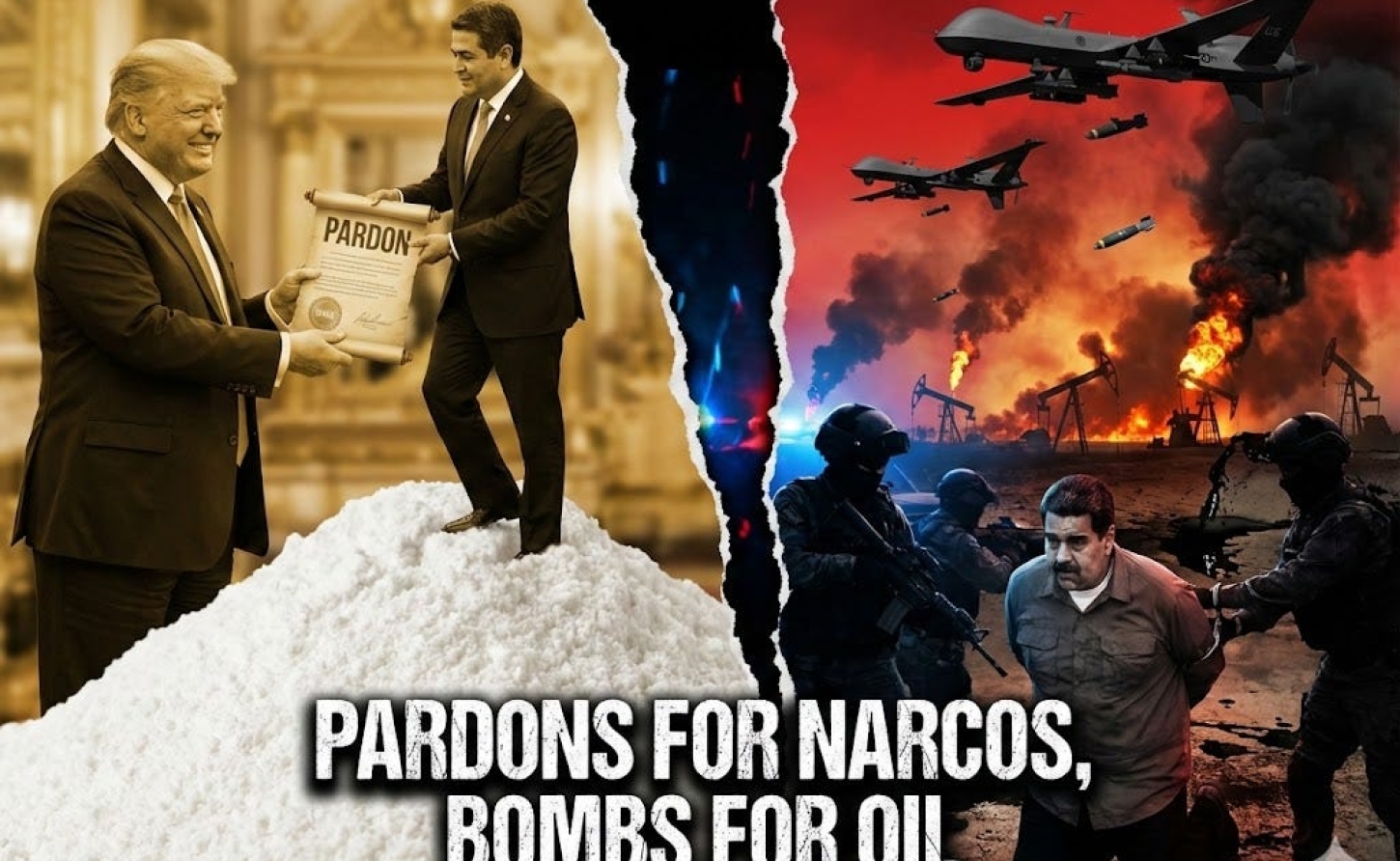
VENEZUELA | 25 Times Oil, Zero Times Democracy: Trump's Own Words Expose Rationale For Venezuela's Invasion
WiredJa Analysis | January 4, 2026
At his Mar-a-Lago press conference on Saturday, Donald Trump referenced oil twenty-five times. He mentioned democracy zero times, elections, three times. He invoked drugs ten times. But Fentanyl — the synthetic opioid killing 70,000 Americans annually — not once.
Those numbers tell you everything about why American bombs fell on Caracas, killing some forty innocent souls.
The Date That Echoes
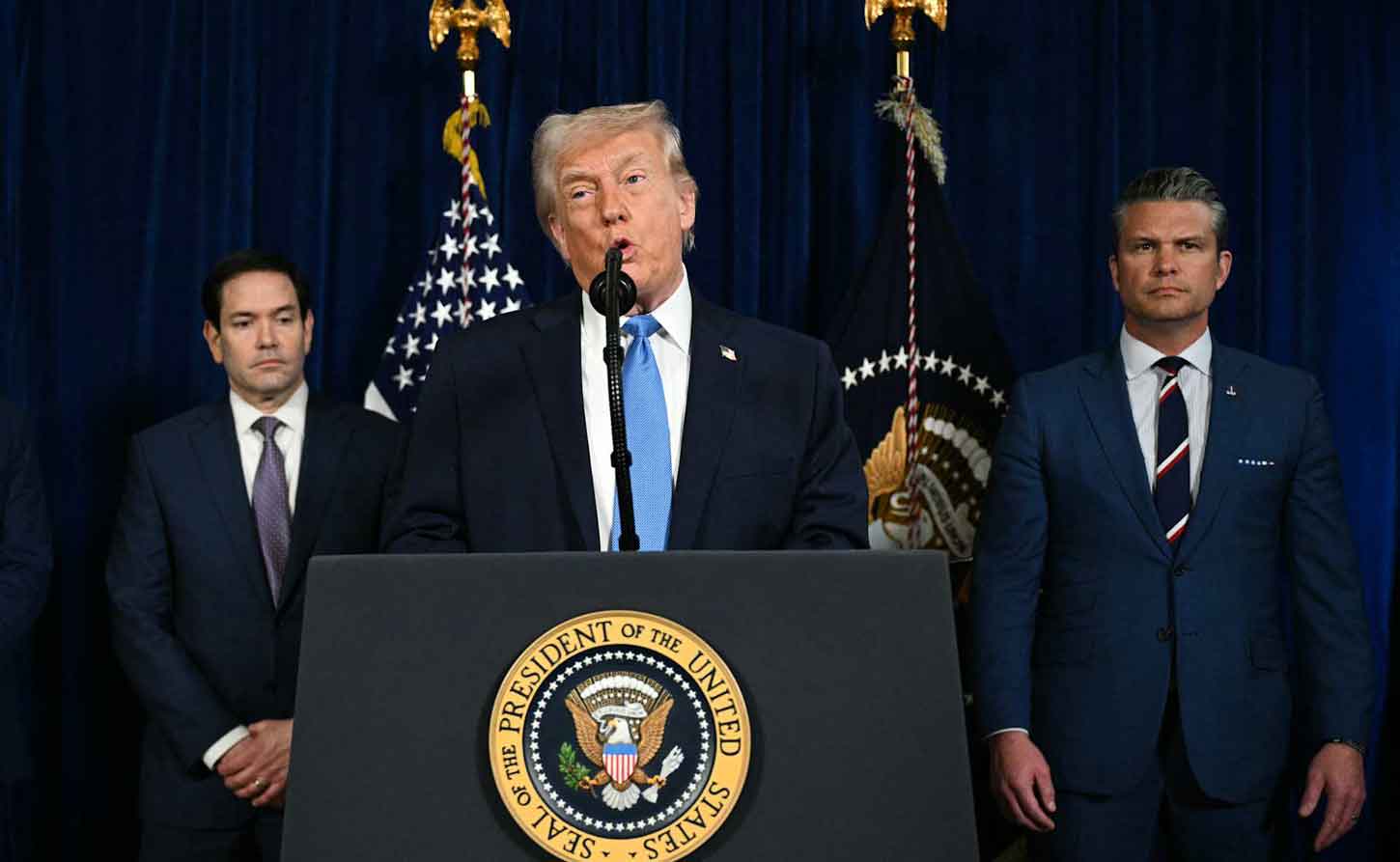
Secretary of State Marco Rubio and Secretary of War Pete Hegseth listen as President Donald Trump addresses the media during a news conference held on 3 January 2026, in Palm Beach, Florida. (Photo by Joe Raedle/Getty Images)
"We're going to run the country," Trump declared, "until such time as we can do a safe, proper and judicious transition." He promised American oil companies would "spend billions of dollars" to "fix the badly broken infrastructure" and "start making money." For whom remained unstated — but not unclear.
The Quiet Part, Out Loud
Two weeks before the invasion, Deputy Chief of Staff Stephen Miller posted what amounts to a confession: "American sweat, ingenuity and toil created the oil industry in Venezuela. Its tyrannical expropriation was the largest recorded theft of American wealth and property."
The logic is breathtaking. Because American companies built oil infrastructure a century ago, Venezuela's 1976 nationalization — legal under international law, replicated by dozens of nations — constitutes "theft." By this standard, every former colony that reclaimed its resources stole from its colonizers.
Trump echoed Miller directly: "They took our oil rights — we had a lot of oil there... We want it back."
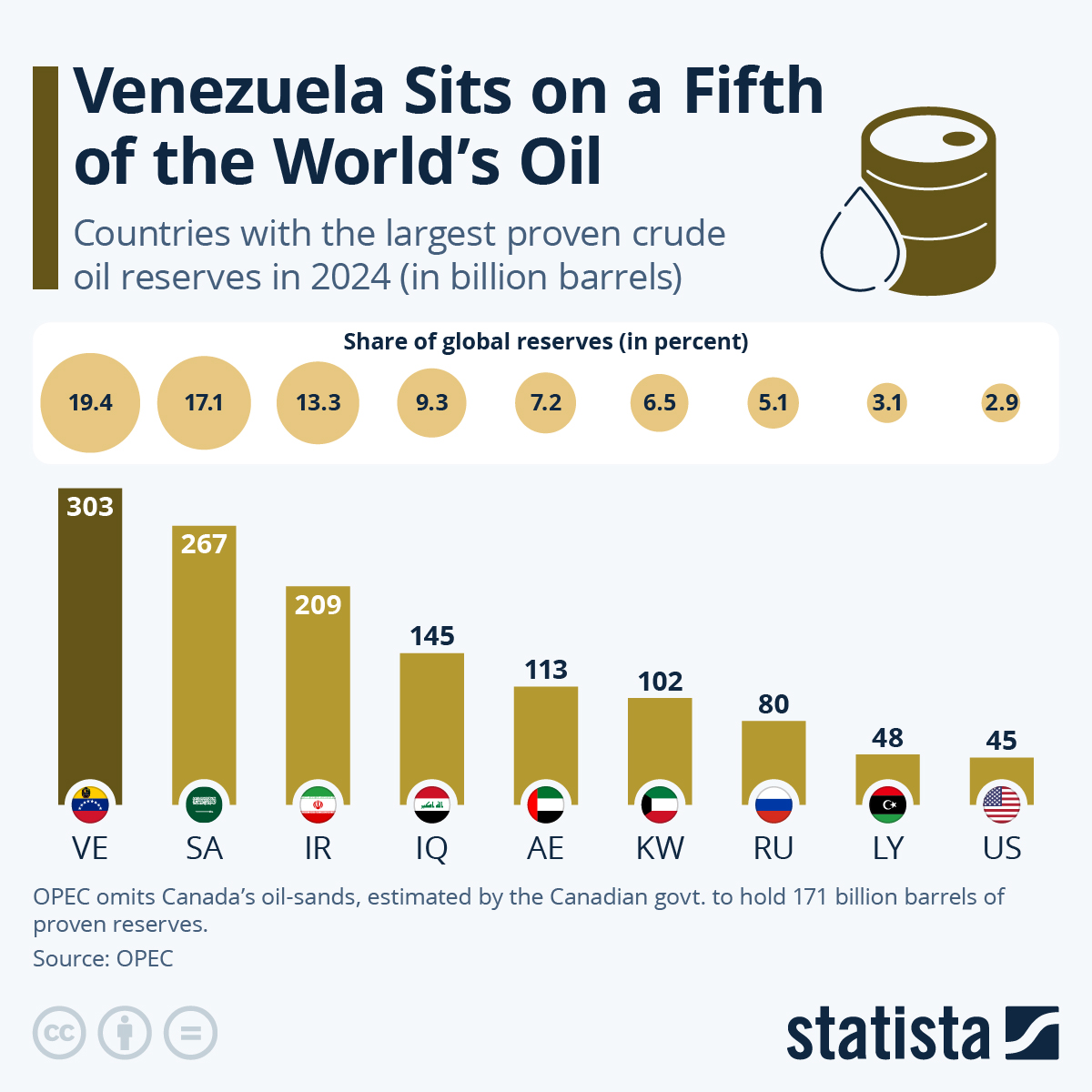
Venezuela holds 303 billion barrels of proven reserves — the largest on Earth, exceeding Saudi Arabia. That's 17% of global supply. The resource that powered American dominance for a century, sitting beneath a government that had the audacity to sell it in currencies other than dollars.
 The Real Threat
Since 2018, Venezuela has sold oil in Chinese yuan, euros, and rubles — deliberately bypassing the US dollar. Caracas built direct payment channels with Beijing circumventing SWIFT, the Western-controlled financial system. It applied for BRICS membership, seeking integration with the bloc constructing alternatives to dollar hegemony.
None of this threatened American security. It threatened American economic primacy — the ability to print currency the world must hold, the leverage to impose sanctions that strangle economies, the architecture of financial control built over fifty years.
Venezuela wasn't invaded because Nicolas Maduro ran drugs. It was invaded because he ran from the dollar.
Following the Money
 While bombs fell, a Delaware courtroom was finalizing Citgo's sale — Venezuela's crown jewel American refinery network — to Elliott Investment Management's Amber Energy for $5.9 billion. Elliott, led by billionaire Paul Singer, specializes in aggressive distressed-asset acquisitions. The sale, approved in late November, awaited only regulatory clearance and favorable "political circumstances."
Maduro's removal provides those circumstances. Creditors waiting years to recover from Venezuelan defaults — ConocoPhillips, Crystallex — will finally collect. Regime change as debt collection, Marines as repo men.
The Drug War Fiction
The official justification — that Maduro leads something called the "Cartel de los Soles" — dissolves under scrutiny. Venezuela accounts for less than 1% of cocaine entering the United States. The fentanyl devastating American communities comes from Mexico and China, not Caracas. The "narco-terrorist" designation applies to no identifiable organization.
For months, US forces struck boats in Caribbean waters, killing over 100 people with minimal evidence of drug trafficking. The blockade targeted oil tankers — vessels carrying crude, not cocaine. The target was always the oil, dressed in counter-narcotics clothing.
Caribbean in the Crossfire
Trinidad and Tobago rushed to declare non-participation despite hosting American military assets. Caribbean airspace closed. Flights cancelled region-wide. Small island states watched a neighbor's sovereignty erased overnight — and understood the message.
CARICOM, which recently welcomed Interpol leadership to discuss "regional security cooperation," now confronts reality: for small nations, security exists at great powers' pleasure. The rules-based order invoked when convenient, discarded when not.
What January 3rd Revealed
Trump's arithmetic — 25 oil, 10 drugs, zero democracy, zero fentanyl — isn't a gaffe. It's clarity. The invasion is resource extraction by other means, dollar defense through gunboat diplomacy, the quiet part spoken aloud by an administration that no longer bothers with pretense.
History may not record January 2026 as the moment American power ended. But it will remember when Washington revealed its primacy now requires force it once wielded from confidence. When you must bomb nations to keep them using your currency, the currency is already in decline.
Twenty-five times oil. Zero times democracy. Count it yourself.
-30-
