GUYANA | ‘The Betrayal Of the PPP/C Regime Against Guyanese’- Forde
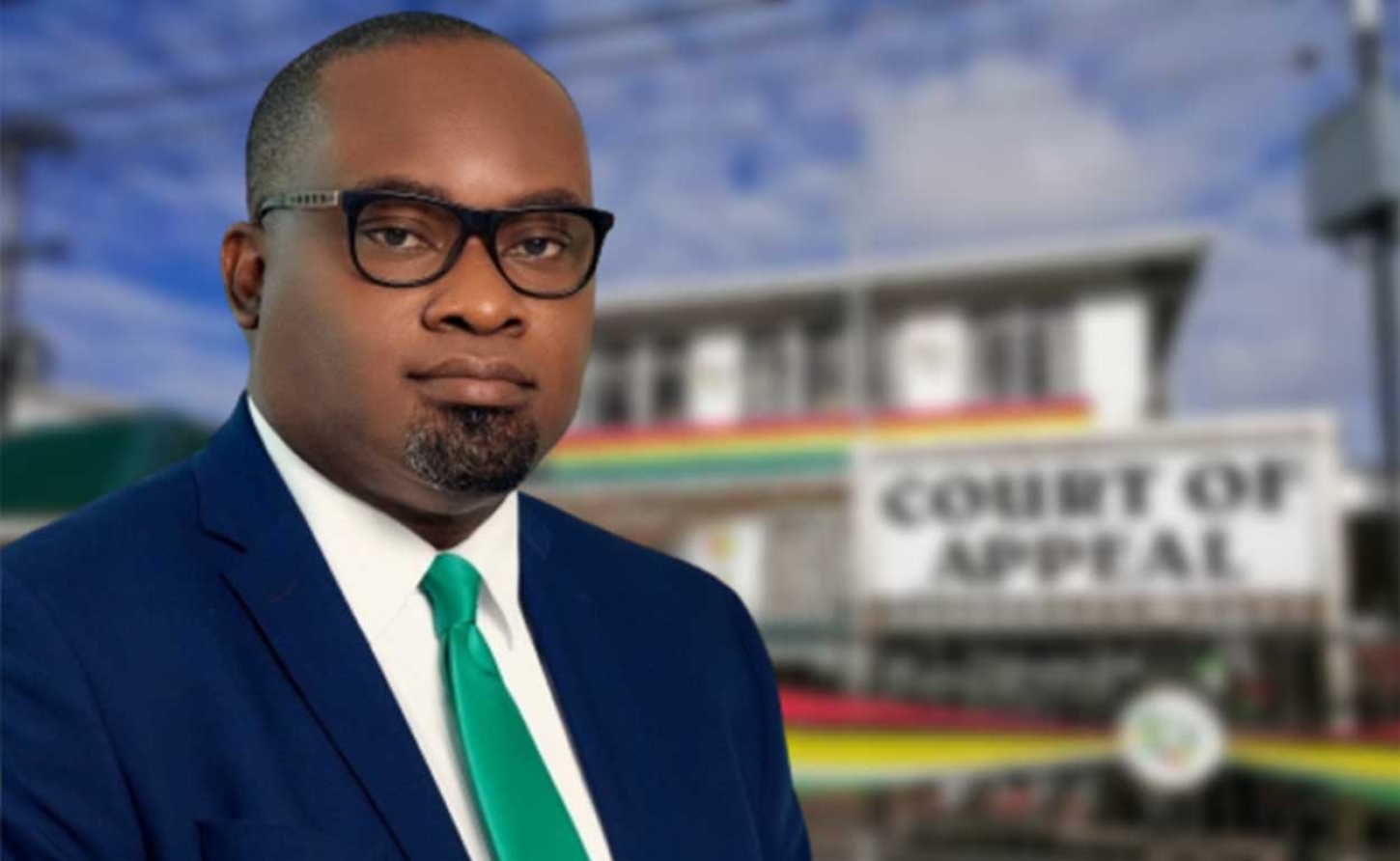
Attorney-at-Law, Senior Counsel Roysdale Forde
By Roysdale Forde S.C.
GEORGETOWN, Guyana January 3, 2026 - In the shadow of Guyana’s burgeoning oil wealth, the incumbent People’s Progressive Party/Civic (PPP/C) government stands exposed as a regime more intent on consolidating power than safeguarding the sacred pillars of our democracy.
As we close out 2025, a year punctuated by electoral farce and institutional decay, it is imperative that Guyanese awaken to the stark reality: the PPP/C’s governance represents a systematic assault on our constitutional order, economic equity, and public welfare. This is not mere political rhetoric; it is a clarion call rooted in the failures that have eroded the trust of our people and jeopardised our nation’s future.
Consider the major national events of 2025 that lay bare the PPP/C’s contempt for democratic integrity. The September 1 General and Regional Elections, ostensibly a cornerstone of our sovereignty, devolved into a spectacle of low voter turnout and widespread allegations of unfairness.
Despite international observers from the Commonwealth, OAS, and EU noting that candidates could campaign freely, opposition parties reported systemic biases, including unequal access to state resources and media.
President Irfaan Ali’s reelection, while celebrated by the regime, came amid a backdrop of voter apathy – reflecting a populace disillusioned by years of manipulated processes.
This echoes the 2020 electoral crisis, but in 2025, the PPP/C’s hubris reached new heights with their no-show at the Inter-American Commission on Human Rights (IACHR) hearing on electoral reforms, signaling a brazen disregard for accountability.
Furthermore, the Speaker of the National Assembly’s prolonged failure to convene non-governmental MPs for electing a representative has plunged our legislature into a constitutional crossroads, paralysing opposition voices and violating the spirit of representative governance.
These events are not anomalies; they are symptoms of a regime that views democracy as an obstacle to its authoritarian ambitions.
The status of our constitutional and statutory bodies further underscores this erosion. The Guyana Elections Commission (GECOM), tasked with upholding electoral fairness, has been criticised for its inability to prevent biases, as evidenced by ongoing disputes over voter lists and polling irregularities in 2025.
The Ethnic Relations Commission, meant to foster harmony in our multi-ethnic society, languishes under underfunding and political interference, failing to address rising tensions.
Even the Judiciary, a bulwark of justice, faces accusations of executive overreach, with delays in key cases that challenge government actions.
Statutory bodies like the Audit Office struggle with limited independence, as audits of oil expenditures reveal opacity rather than oversight. Under the PPP/C, these institutions, enshrined in our 1980 Constitution, have been reduced to mere extensions of executive whim, betraying the reforms of 1996 that promised greater autonomy.
This institutional capture threatens the very foundation of our republic, turning Guyana into a facade of democracy where power resides not with the people, but with a self-serving elite.
However, the PPP/C’s failures extend beyond politics into the economic realm, where oil riches flow like a torrent, but prosperity eludes the masses. Guyana’s economy, propelled by soaring crude production, reaching about 894,000 barrels per day in 2025, has amassed staggering revenues.
The Natural Resource Fund (NRF) ballooned to over US$3.5 billion by September, with inflows exceeding US$2.39 billion in the past year alone. Projections peg oil exports at US$17.6 billion for the year, comprising 9.5% of GDP. This windfall should herald an era of abundance, yet it juxtaposes grotesquely with rampant poverty and economic hardship.
According to the Inter-American Development Bank (IDB), Guyana’s overall poverty rate is 58%, far above the regional average of 30%, with 32%, or approximately 249,600 people, trapped in abject poverty.
Shockingly, poverty has grown by 8-10% in recent years, even as oil dollars flood the national purse. In the hinterland, where Amerindian communities predominate, nearly two-thirds endure inadequate housing and vulnerability.
This disparity manifests in the spiraling cost of living, which has rendered basic affordability a distant dream for many. Guyana, once among South America’s cheapest nations, now grapples with skyrocketing prices for essentials, from food to utilities.
Families face minor price hikes that threaten food security, while the government’s paltry measures, like a G$9 billion allocation for cost-of-living interventions in the 2025 budget, fall woefully short.
The minimum wage hike to US$465 offers scant relief amid inflation, leaving workers in a cycle of woeful despair. Compounding this is the vulnerability of local communities to public health challenges.
Non-communicable diseases claim 70% of deaths, while an escalating suicide crisis, particularly among youth, has prompted urgent interventions like the National Suicide Surveillance System. Adolescent pregnancies remain alarmingly high, and respiratory virus surveillance highlights ongoing threats in underserved areas.
Despite initiatives like the One Health Project, rural and indigenous populations bear the brunt, exposed to infectious diseases and mental health voids that the regime’s oil-fueled budget has failed to adequately address.
At the heart of these woes lies the PPP/C’s endemic corruption, a cancer that siphons public resources into private pockets. Scandals abound: allegations of bribery against the Vice President, corrupt land distribution favoring party insiders, and ministers morphing from paupers to billionaires overnight.
Transparency International’s rating of 39 underscores Guyana’s slide into graft, with the regime’s refusal to prosecute officials perpetuating a culture of impunity. This corruption not only drains the oil bonanza but erodes public trust, fueling the crumbling political machinery that harms our progress.
Guyanese deserve better. The PPP/C’s regime has squandered our democratic heritage and oil legacy on self-enrichment, leaving poverty, unaffordability, and health crises in its wake. It is time for a renewed commitment to transparency, institutional reform, and people-centered governance. It is clear that the hour demands action, let us reclaim our nation.
-30-
