
CARIBBEAN | The Party That Kills: How Energy Drinks Are Destroying Caribbean Kidneys
CARIBBEAN | The Party That Kills: How Energy Drinks Are Destroying Caribbean Kidneys
From Lagos to Kingston, a generation is swallowing its way to organ failure — and in Jamaica, a locally made drink branded as “the life of the party” is being routinely mixed with white rum, despite warnings on the can
MONTEGO BAY, Jamaica, May 11, 2026 - Nigeria sounded the alarm first. Reports from dialysis centres across that country have documented a sharp and disturbing rise in acute kidney injury and chronic kidney failure among young people in their twenties and thirties — a generation consuming energy drinks at rates that are quietly destroying their organs.
The World Health Organisation has linked the crisis directly to the high concentrations of caffeine, sugar, taurine, and guarana packed into these beverages. But Nigeria is not alone. The same epidemic is building across the Caribbean, and Jamaica sits dangerously close to its epicentre.
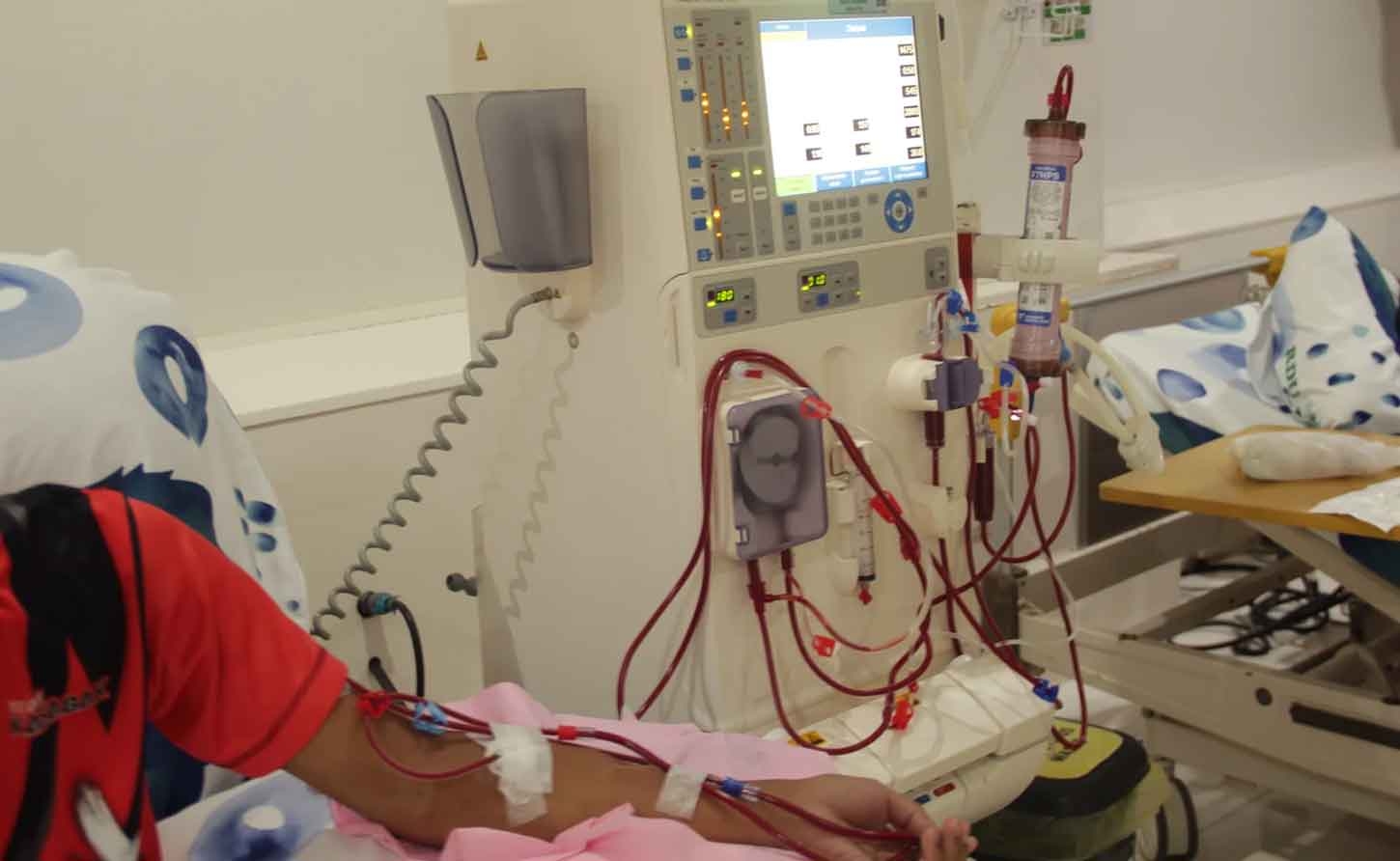
Jamaica is already fighting a kidney disease crisis of its own. Some 3,000 Jamaicans are currently on dialysis at least twice per week, paying between $7,500 and $17,000 per treatment at private institutions — or facing the brutality of acute waiting lists at public hospitals where dialysis machines remain in chronic short supply.
Jamaica’s leading kidney disease specialist, Dr. Everard Barton, has painted a grim picture: change your lifestyle, or face an unthinkable alternative. What neither the health authorities nor the corporate sector has confronted honestly is how deeply embedded energy drink consumption has become in the lifestyles they are urging young Jamaicans to change.
Boom: The Life of the Party. The Risk on the Label.
Launched in 2010 by Wisynco Group, Boom became Jamaica’s first 100 per cent locally manufactured energy drink and has since dominated the category. It is distributed not just across Jamaica but throughout Antigua, Barbados, St. Lucia, St. Kitts, Guyana, the Cayman Islands, Grenada, and beyond.
Its branding is unambiguous: Boom is marketed as “the life of any party,” a “lifestyle beverage” engineered to go down smoother than its competitors. The can, however, carries a quiet but unambiguous advisory: Do not mix with alcohol.
That warning is being ignored at scale. Across Jamaica, a street-level cocktail has become so widespread it has earned its own name: “Special” — Boom mixed with white rum, consumed primarily by young men at parties, dances, and rum bars from Kingston to Hopewell.
Reports from those who have consumed it describe a racing heart and heightened intoxication. Medical experts explain exactly why: the caffeine and stimulant content of Boom masks the depressant effects of the alcohol, tricking the body into consuming far more rum than it can safely process, while simultaneously dehydrating vital organs. The kidneys, caught between competing biochemical signals, absorb the punishment.
“The can says ‘do not mix with alcohol.’ The marketing says ‘life of the party.’ Only one of those messages is reaching young Jamaicans.”
A Regional Pattern of Risky Behaviour
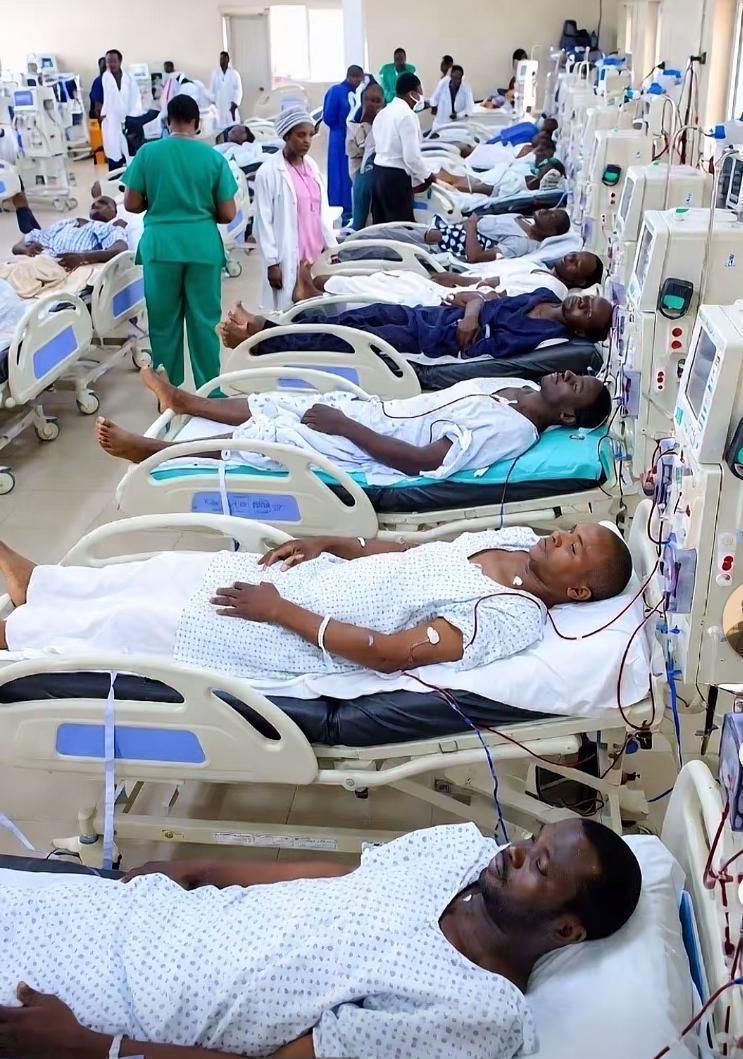
This is a dialysis centre in Nigeria, and there is not one old man or old woman, only young boys between 15 and 28.
Males consuming both alcohol and energy drinks — independently or mixed — were most likely to engage in the highest-risk behaviours. The study identified this combination as the strongest predictor of harm in the Caribbean student population. These are not marginal findings. They are a portrait of an entire generation.
The biochemical mechanism is consistent whether you are in Port of Spain, Bridgetown, or Kingston. The stimulant effect of caffeine overrides the body’s natural warning system. A young man drinking “Special” at a party in a Jamaican community does not feel as drunk as he is.
He drinks more. His kidneys work harder. His blood pressure climbs. His body becomes dehydrated. He does this week after week, year after year, with no health warning reaching him at the point of consumption — only a tagline telling him that Boom is the life of the party.
The Regulatory Failure Is Inexcusable
The world is moving. Lithuania banned energy drink sales to minors as far back as 2014. Hungary followed in June 2025. Poland enacted under-18 restrictions effective January 2026. The United Kingdom moved in 2025 to ban sales of high-caffeine energy drinks to those under 16. Kazakhstan, most aggressively, has prohibited sales to anyone under 21. These governments acted because the evidence demanded it.
The Caribbean has not moved. Jamaica’s Ministry of Health raised concerns about unregulated energy drink formulations years ago — specifically flagging dangerous herbs like Yohimbe found in some local products — but those concerns have not translated into the kind of decisive, enforceable regulation that the crisis now demands.
There are no age restrictions on energy drink sales in Jamaica. There are no mandatory public health campaigns. There are no legal consequences for the practice of marketing a product as party culture while placing a health disclaimer in fine print that no one at a street dance is reading.
The Bureau of Standards Jamaica and the Ministry of Health must treat this as the public health emergency it already is.
And the corporate sector must be held to account. Wisynco manufactures a quality product and has every right to compete in the energy drink market. But a company that knows its flagship beverage is being routinely mixed with alcohol by young Jamaicans — that has watched “Special” become a documented street-level phenomenon — and has done nothing beyond a four-word label advisory, has a moral obligation it has not yet met.
Active public health messaging, community outreach, and explicit anti-mixing campaigns are not optional corporate social responsibility extras. They are the minimum owed to the Jamaican public.
Across the Caribbean, thousands of young people are drinking their way toward dialysis chairs. The party will eventually end. The question is whether our regulators, our health authorities, and our corporate citizens will act before the bill comes due — or after the generation is already gone.
— 30 —
