
AFRICA HEALTH | From Henrietta Lacks to Lusaka: The Long Fight Over Who Owns Black Biology
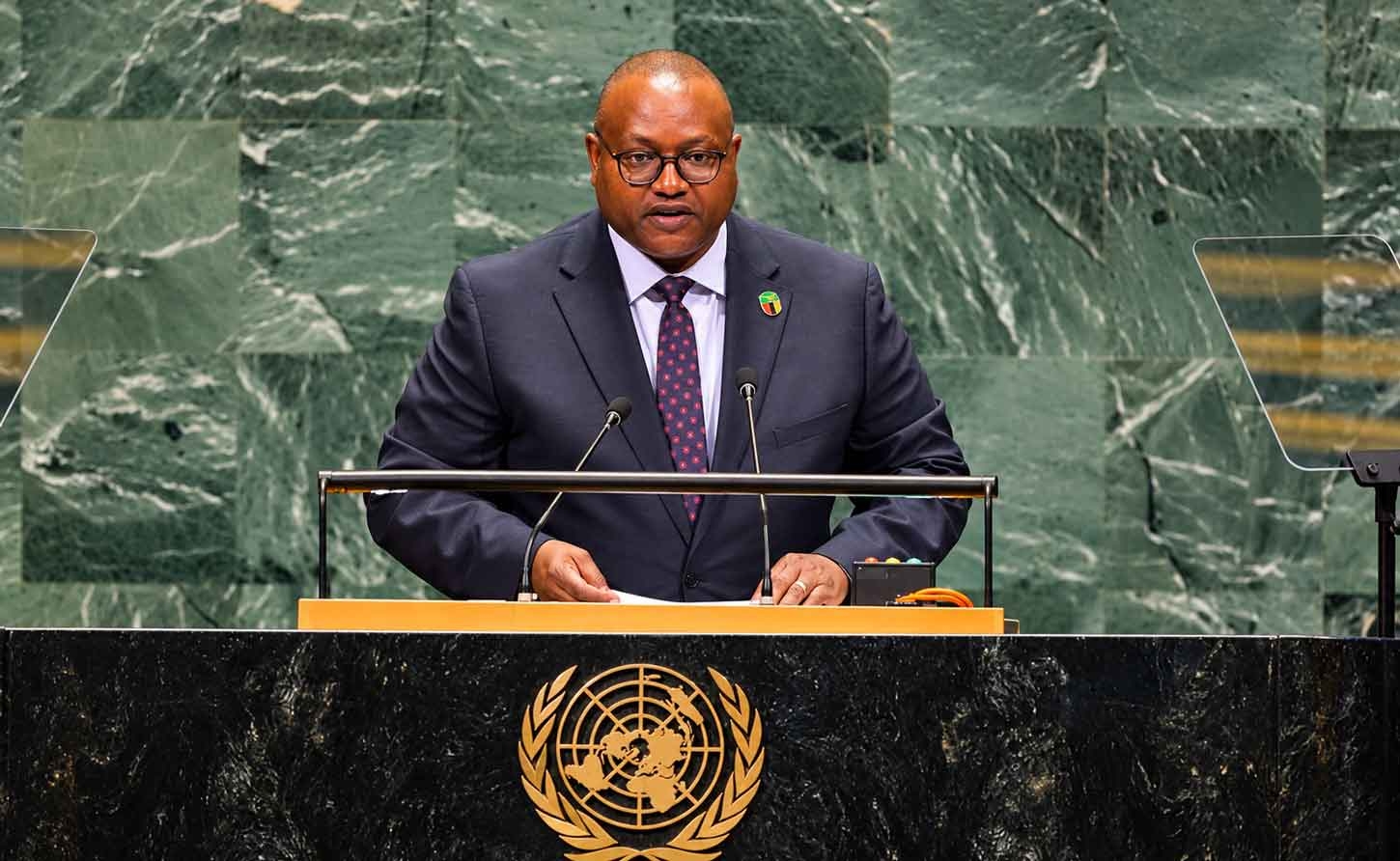
Mulambo Hamakuni Haimbe, Foreign Affairs Minister of Zambia speaking at the 81st session of the United Nations General Assembly.
Pathogen samples, genetic codes and patient records: the hidden currency of America’s new health deals. Zambia refused to pay it, and still got its money. The Caribbean should take note.
MONTEGO BAY, JAMAICA, October 6, 2026, Calvin G Brown | - Strip away the diplomatic language and the Trump regime’s “America First” health deals come down to a simple trade: American money for African biology. That is what makes Zambia’s announcement this week so significant.
On Tuesday, Health Minister Roma Chilengi said Lusaka will sign a five-year agreement with the United States on Thursday, worth US$3.6 billion in combined funding, with Washington’s share put at US$1.5 billion.
The clauses requiring Zambia to hand over specimens and individual health data have been struck out. “Zambia will not be obliged to share any specimen,” he declared.
To grasp what Zambia refused, you have to look at what everyone else is being asked to give.
What the data actually is
The demands fall into three layers. The first is physical: biological samples taken in a country’s clinics and laboratories, together with the genetic sequences of the pathogens found in them.
A model specimen-sharing agreement obtained by Health Policy Watch covers “specimens, samples, sequencing data, and any other associated data” linked to new and emerging infectious diseases.
The second is the health system itself: programme, performance and surveillance data drawn from national databases, which Zambia’s own infectious-disease director described as one of three pillars of the proposed deal.
The third, and most sensitive, is information about individual patients. Human Rights Watch, reviewing the agreements in June, found broad access to private health records with no clear limits and no uniform safeguards for confidentiality.
What Washington wants it for
The official answer is early warning. Having quit the World Health Organization in January, Washington wants its own pipeline of intelligence on diseases with epidemic or pandemic potential, delivered fast: under the published texts, samples and data must be dispatched within five days of a request.
The second purpose is commercial. The model agreement lets Washington pass the material to up to ten US-based organisations able to develop diagnostics and “medical countermeasures” — the trade term for vaccines and treatments. None is named. HRW notes that nothing bars patient data from reaching American pharmaceutical companies without consent.
The template runs for 25 years. If a country later withdraws, Washington keeps the right to use everything already handed over. And should a vaccine emerge from African samples, the supplying country stands in line “behind the U.S. government’s domestic need,” subject to available funds, and pays for the product.
We have seen this before
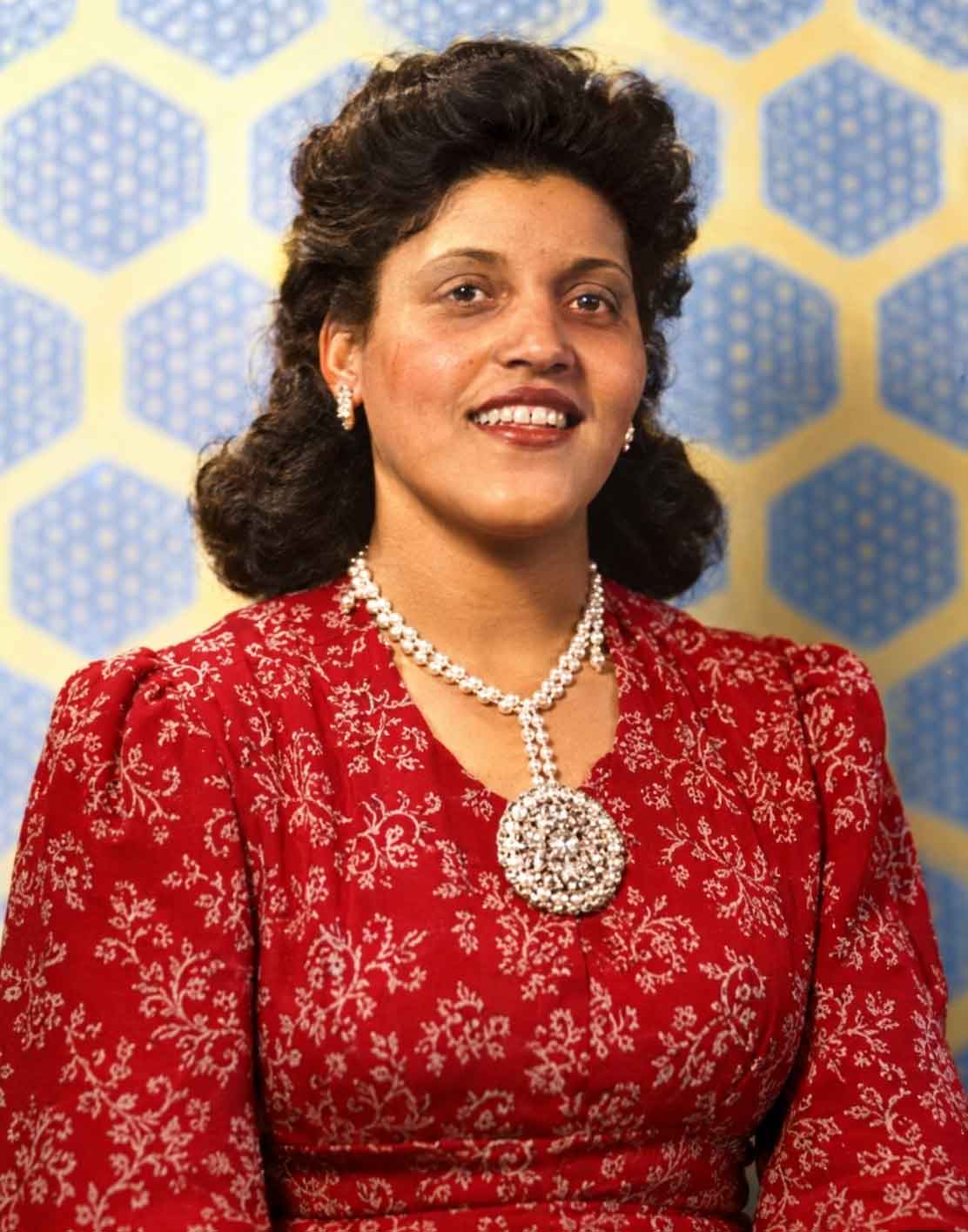
Henrietta Lacks. Her story is one of the most famous and ethically significant cases in medical history.She is the American Black woman whose blood was used to make vaccine
As HeLa, the first human cells to reproduce indefinitely in a laboratory, they were mass-produced to test Jonas Salk’s polio vaccine, revealed the papillomavirus link that led to the HPV vaccine, and fed COVID-19 vaccine research.
Her cells were sold for decades; her family learned of them only in the 1970s. Not until 2023 did her descendants reach a confidential settlement with Thermo Fisher Scientific, after a lawsuit accusing the company of profiting from tissue taken without permission.
The America First agreements are signed by governments, not slipped past an unknowing patient. But the logic rhymes: biological material leaves Black bodies, value is created elsewhere, and any benefit returns late, conditionally, or at a price. This time the consent is national. And Zambia, unlike Henrietta Lacks, got to say no.
It is an old bargain in a new lab coat: raw material out, finished product back at a mark-up.
A pathogen’s genetic code is the starting point for a vaccine, a test and, often, a patent; whoever holds it holds the leverage in the next pandemic. Public Citizen warns these deals undercut Africa’s push at the WHO for a system guaranteeing benefits flow back to the countries that supply samples.
How Lusaka held the line
Zambia’s win was fought for. In February, Reuters reported that a draft threatened to end funding unless Zambia agreed a separate compact tied to mining, alongside a ten-year data-sharing arrangement.
By May, Foreign Minister Mulambo Haimbe was calling the data demands “unacceptable” and rejecting preferential terms for US firms over Zambia’s copper and cobalt. Last month he said the minerals linkage had been dropped.
The price of saying no
Others show what defiance can cost. Zimbabwe walked away from a US$367 million deal, warning it would supply the “raw materials for scientific discovery” with no assurance of the results; Washington has since ended all health assistance to Harare.
Namibia reportedly rejected some clauses and is losing US support for its HIV programme, though neither side has linked the two. Ghana’s Cabinet threw its proposal out “in record time,” President John Mahama said.
Kenya signed, then landed in court, where the High Court froze the data-sharing provisions within a week. Its government insists only aggregate, non-identifiable data will move, under a seven-year agreement that keeps the data Kenya’s property and Kenyan law supreme. Even those who signed, it turns out, could bargain.
The other side of the ledger
Washington’s case deserves a hearing. The deals are designed to end donor dependency as US support tapers off, and fast pathogen surveillance genuinely protects everyone. Zambia’s minister called the US a critical partner and thanked it. Disease surveillance is not sinister. The question is who controls it, and who profits.
Why the Caribbean must pay attention
This is no distant quarrel. PEPFAR money still flows through a regional programme covering Jamaica and Trinidad and Tobago, and in February Panama became the first Central American state to sign an America First health memorandum. The template is moving through this hemisphere.
When it reaches a CARICOM ministry, the temptation will be to sign quickly and quietly. Zambia shows there is another way: negotiate collectively through CARICOM and CARPHA, publish the texts, keep data drawn from Caribbean bodies under Caribbean law, and demand guaranteed access to whatever is made from it.
Lusaka has proved the fine print is negotiable. The only unforgivable mistake would be not to read it.
— 30 —
