
CARIBBEAN | The Third-Country Trap: Caribbean Nations Accept America’s Unwanted — But at What Cost?
CARIBBEAN | The Third-Country Trap: Caribbean Nations Accept America’s Unwanted — But at What Cost?
Washington is offloading deportees onto small island states that signed under duress. St. Kitts just received the first batch — and the question of who actually benefits has no clean answer.
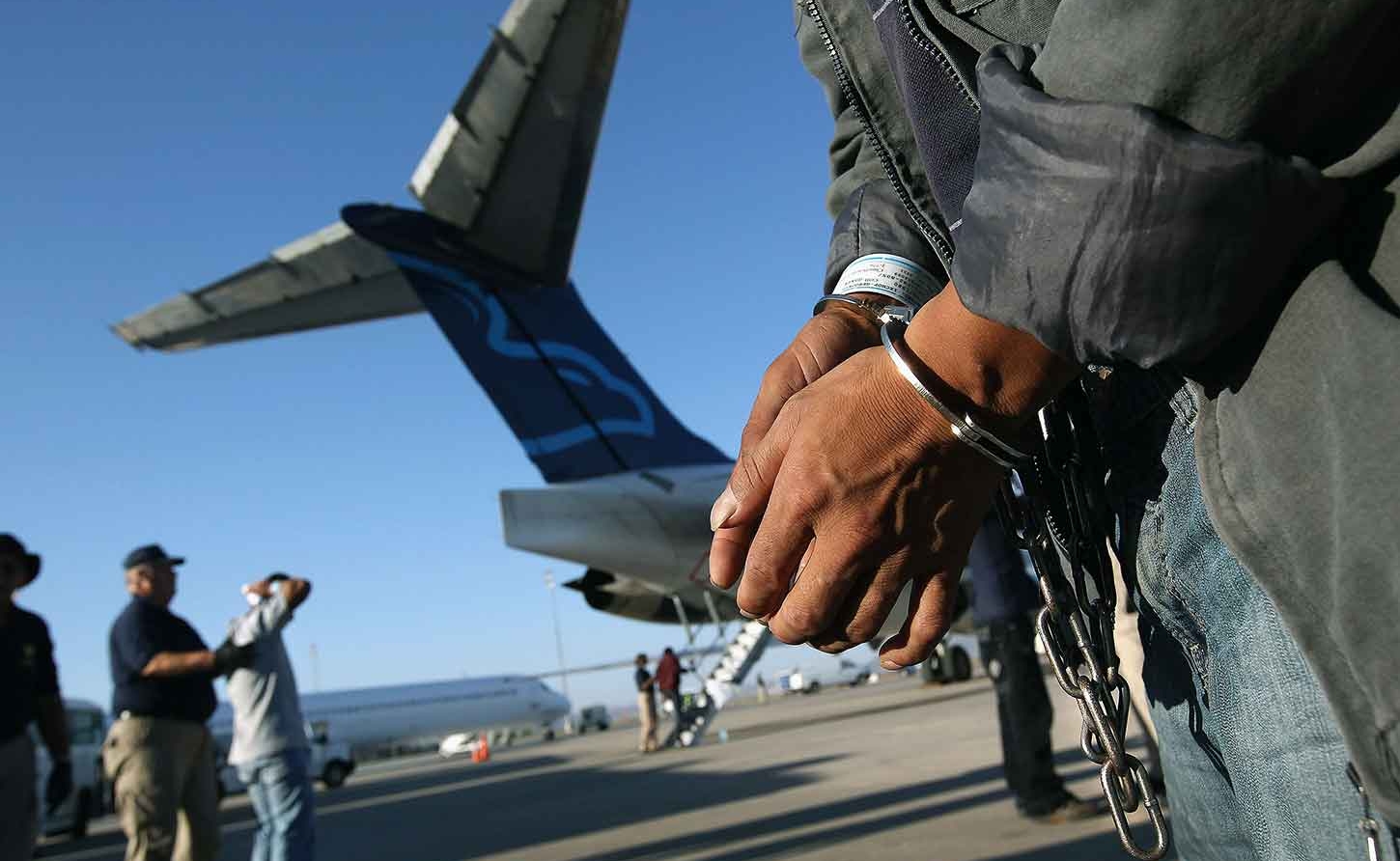
MONTEGO BAY, Jamaica, May 27, 2026 - Three people stepped off a plane in St. Kitts and Nevis last week and made history in the most uncomfortable way possible. They were not tourists. They were not seasonal workers. They were Caribbean nationals — from Jamaica and Belize — deported by the United States government and delivered to a third country that is not their home.
The quiet announcement by the Drew administration confirming the arrivals barely caused a ripple in regional media. It should have caused an earthquake. This is what the fine print of Washington’s migration enforcement strategy looks like when it finally hits the tarmac.
Signed, Sealed, and Delivered — Under Pressure
The agreements now in place across CARICOM did not emerge from goodwill or regional solidarity. They were extracted. The United States imposed visa bans on Dominica and Antigua and Barbuda effective January 1, 2026, ostensibly over concerns about their Citizenship by Investment programmes. Citizens of both nations were suddenly required to post travel bonds of between $5,000 and $15,000 merely to apply for a US visa. The message from Washington was unmistakable: cooperate, or pay.
Under that kind of pressure, at least four CARICOM member states — Antigua and Barbuda, Dominica, St. Lucia, and St. Kitts and Nevis — signed Memoranda of Understanding with the Trump administration to accept third-country deportees. Guyana remains in what officials describe as “advanced discussions.” Dominica formalized its agreement on March 18, 2026. St. Kitts has now demonstrated what execution actually looks like.
The governments insist the terms are reasonable. They say they will only accept CARICOM nationals with no violent or sexual criminal convictions — immigration violators, not hardened criminals. The St. Kitts administration was careful to note that the three arrivals “retain the option to return to their countries of nationality if they so choose.” Washington, they say, has also agreed to bear the financial cost and to provide medical and biographical records for all transferees.
“The Caribbean is not Washington’s deportation backstop. These are sovereign nations, not processing facilities.”
The Contradiction CARICOM Cannot Escape
Prime Minister Terrance Drew, who chairs CARICOM, has been explicit that his country’s arrangement excludes Haitian nationals — citing security concerns. There is a profound irony here that deserves naming: CARICOM has positioned itself as Haiti’s most committed advocate, leading discussions on the country’s political transition and championing Haitian dignity at international forums. Yet when it comes to giving Haitians practical refuge from US deportation machinery, the door is firmly shut.
Haiti remains excluded from CARICOM’s Single Market and Economy. Haitian nationals are denied visa-free travel across member states. And now they are specifically carved out of deportation arrangements that nominally serve CARICOM nationals. The region’s moral posture on Haiti has long outpaced its practical solidarity. These MOUs have simply made the gap impossible to ignore.
Third-Country Arrangements: A Global Pattern
What is happening in the Caribbean is not unique — but its application to small island states with limited institutional capacity makes it uniquely dangerous. Panama received 119 migrants under a similar US agreement in early 2025. Costa Rica began accepting up to 25 per week under its own arrangement in April 2026. El Salvador has gone furthest, publicly agreeing to detain US deportees in a specially designated prison — for a fee. The Caribbean nations insist their arrangements are more humane. Perhaps. But the architecture is identical: Washington externalizes its migration problem, and smaller, more vulnerable states absorb the human and political cost.
For the Caribbean, the compounding effect is severe. The United States simultaneously levies a 1% remittance tax on international cash transfers, squeezing household budgets across the region. Jamaica alone has over 5,000 nationals earmarked for deportation back to the island — with no reintegration plan in place. Now, some of those same nationals may find themselves in a third country they have never called home, technically free to leave, practically stranded.
The Sovereignty Question
The Caribbean has long proclaimed itself a Zone of Peace — a region committed to non-interference, self-determination, and sovereignty as foundational principles. Those principles are under strain. When a government signs an MOU with a superpower because the alternative is economic suffocation, the word “voluntary” loses its meaning. When citizens learn about deportee arrivals only through official government statements that discourage them from seeking information elsewhere, transparency has been sacrificed on the altar of diplomatic management.
The three people who landed in St. Kitts last week are not abstractions. They are Caribbean people — almost certainly Jamaican and Belizean — who were living in the United States, violated immigration rules, and are now in a third country with no clear path home and no guarantee of welcome. Their situation is a preview. The MOUs are in place, the infrastructure is being tested, and the United States has demonstrated that it will continue to push.
The Caribbean faces a choice it can no longer defer: accept Washington’s terms quietly, or build the regional consensus needed to push back collectively. CARICOM’s credibility as a bloc depends on which path it chooses — and the clock, like those deportation flights, is already running.
— 30 —
