
JAMAICA | Five Dollars Out, One Dollar In: PNP's Anthony Hylton Sounds the Alarm on Jamaica’s Shrinking Exports
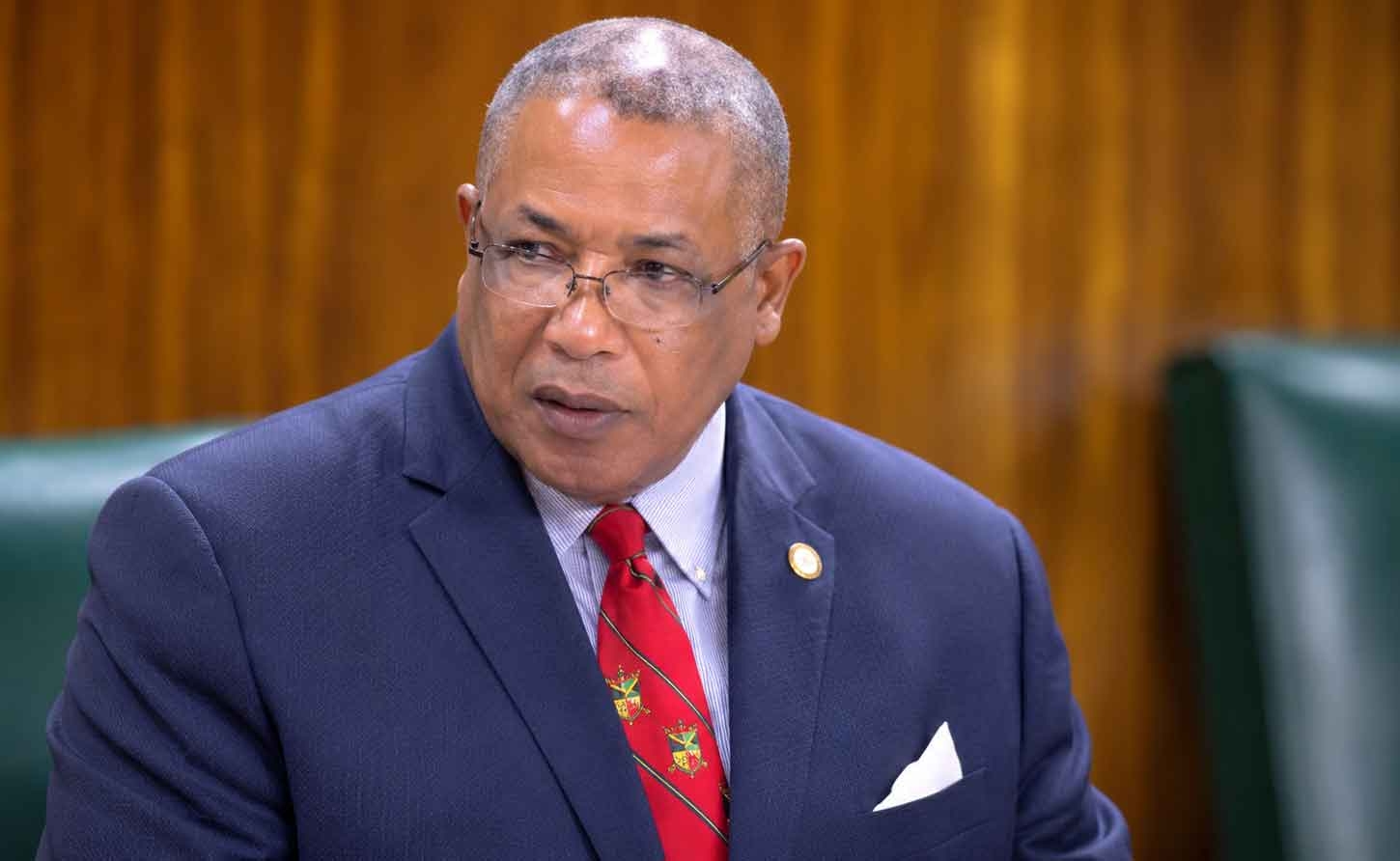
Opposition Spokesperson on Industry, Trade and Global Logistics G. Anthony Hylton, who says the numbers are a clear warning that the country’s export base is weakening
The Opposition’s trade spokesman says STATIN’s latest figures expose a weakening export base — and demands that the Government show the country its plan.
MONTEGO BAY, Jamaica, November 28, 2026 — For every dollar Jamaica earns selling goods to the world, it now spends almost five buying from it. That lopsided arithmetic, drawn from the latest Statistical Institute of Jamaica (STATIN) trade figures, is the centrepiece of a pointed challenge from Opposition Spokesperson on Industry, Trade and Global Logistics Anthony Hylton, who says the numbers are a clear warning that the country’s export base is weakening — and that the Government owes the nation a plan.
In a statement issued Friday, Hylton laid out the ledger. Between January and August 2026, imports rose by 5 per cent to US$5.38 billion. Exports went the other way, slipping 4.7 per cent to just over US$1.1 billion. Goods exports now cover only about 20 per cent of the import bill, down from roughly 22 per cent a year ago.
The difference — a gap of nearly US$4.3 billion in eight months — has to be paid for somehow. As Hylton tells it, the bill is being met by tourism earnings, remittances, other services and external financing: a country leaning on visitors, relatives abroad and lenders to cover what its own factories, farms and mines do not earn.
The problem is not what we buy
Hylton was careful not to overplay the import side. Part of the surge, he acknowledged, is the cost of putting the country back together after Hurricane Melissa, the storm that devastated western Jamaica in October 2025.
“We accept that some of the growth in imports reflects demand for raw materials and intermediate goods, including those needed to rebuild after Hurricane Melissa,” he said. “But the real concern is on the export side.”
It is a distinction worth making. An economy importing steel, cement and machinery to rebuild is investing in its future. An economy whose export earnings shrink while it does so is borrowing against it.
A mineral-sized hole
The sharpest number in the STATIN data is a 38.6 per cent collapse in exports of crude materials — the category in which the island’s bauxite and alumina earnings are counted. For Hylton, that single line explains the wider slide.
“A 38.6% decline in crude materials exports underscores how dangerously dependent we remain on a narrow range of commodities. When one sector stumbles, our overall export performance suffers.” — Anthony Hylton, MP
The stumble is not new. STATIN’s earlier bulletins told the same story: for January to May, total exports were down 12.5 per cent and crude materials down 44.3 per cent. In fairness, the overall export decline has narrowed since then — from double digits to 4.7 per cent — which suggests some ground has been recovered in recent months. But a sector still running more than a third below last year’s earnings, eight months in, is not a blip. It is a pattern.
Three questions for the Minister
Hylton wants the portfolio minister to tell the country:
- What caused the sharp decline in mineral exports — lower production, weaker prices or operational challenges at the plants;
- What concrete measures are being implemented to grow non-traditional and value-added exports; and
- How the Government intends to support manufacturers and exporters facing higher input costs.
The release does not name the minister. The industry, investment and commerce portfolio is held by Senator Aubyn Hill, whose ministry has not been idle on the export front: it relaunched the Jamaica Trade Facilitation Working Group in July, and State Minister Delano Seiveright led a trade and investment mission to Ireland and the United Kingdom in May. The question Hylton is pressing is whether that activity adds up to a strategy — and why, if it does, the export line is still falling.
“Jamaica cannot import its way to prosperity”
“Our goods exports now cover barely one-fifth of our import bill. That is not sustainable,” Hylton said. “Jamaica cannot import its way to prosperity. We need a deliberate strategy to diversify our exports, add value locally and leverage our logistics advantages to generate greater foreign exchange earnings.”
He held out an olive branch, with a condition attached. “The Opposition stands ready to engage constructively on this matter, but the Government must first acknowledge the problem.”
That is the nub of it. A trade deficit is not, by itself, a scandal; small island economies routinely import far more than they export, and Jamaica has long financed the gap through services. But that cushion is only as reliable as the next tourist season and the next remittance transfer — and Melissa was a reminder of how quickly a season can be lost. One dollar in for every five out is a ratio that demands an answer. The country is waiting to hear it.
— 30 —
