JAMAICA | From Reggae to Runs: Jamaica Takes the Ice in Milan, Italy
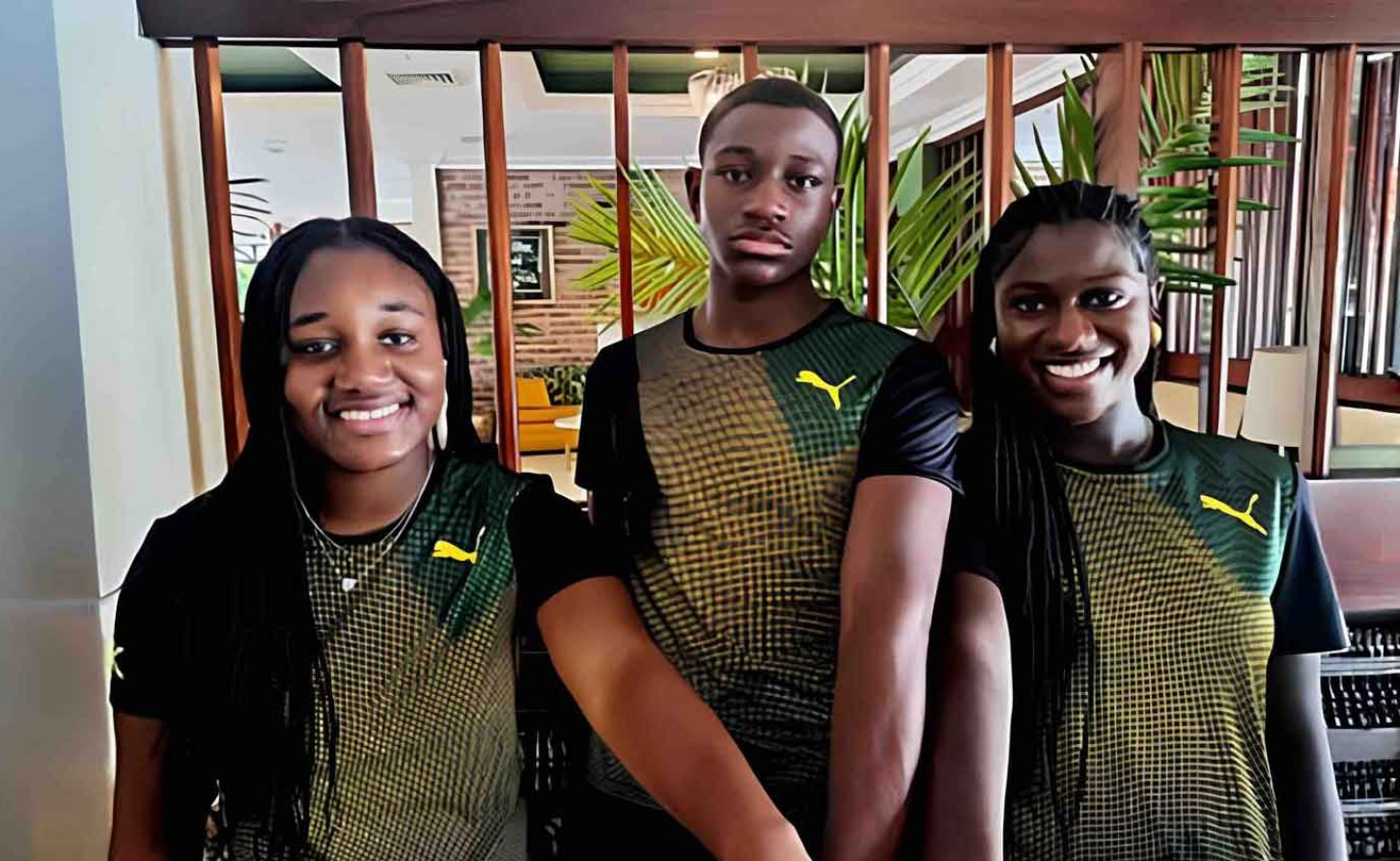
The Rivers Triplets: from left: Helaina, Henri IV and Henniyah representing Jamaica in the Winter Olympics in Milan, Italy.
At 17, Henri Rivers carries more than a flag - he carries a nation's defiance of geographic destiny
KINGSTON, Jamaica, February 8, 2026 - The mathematics of improbability have never fazed Jamaica. A island nation of 2.8 million people regularly humbles athletic superpowers with hundred-times their population on the track. Now, under the Alpine sun of Milan and Cortina, that same defiant spirit has found ice.
Henri Rivers, all of 17 years old and one-third of a triplet set, stood as Jamaica's flag bearer at the 2026 Winter Olympic Games opening ceremony. The image alone disrupts every assumption about athletic destiny: a young man from the tropics, representing a nation where snow is something you see in Christmas movies, leading his delegation into a celebration of winter sport supremacy.
But Rivers is no novelty act, no feel-good story designed for heartwarming montages. He qualified early, decisively, with what Jamaica Olympic Association President Christopher Samuda called "unqualified talent, determination and guts." The JOA saw something in the young skier and made a calculated investment in what Secretary General/CEO Ryan Foster describes as "his emotions, his passion, his dream."
That investment has yielded dividends that transcend medal counts. Rivers has become, in Samuda's characteristically vivid phrasing, a "pioneer, a trailblazer" who is undeniably "hot pon di ice." The phrase captures both the incongruity and the triumph - Jamaica bringing Caribbean heat to Alpine slopes, refusing to accept that geography should dictate athletic ambition.
The Story That Almost Was
Yet the Rivers story carries a bittersweet undercurrent that illuminates the challenges facing tropical nations in winter sports. Henri competed in Italy, but he didn't come alone in spirit. His triplet sisters, Helaina and Henniyah, came achingly close to joining him in creating history. Three Jamaican skiers, all siblings, all competing at the Winter Olympics - it would have been the kind of story that rewrites assumptions about what's possible.
"There will be other chapters that will be written and the ink will be gold," Foster insists, framing the near-miss as prologue rather than epilogue. The Rivers triplets have indeed "given to the JOA and Jamaica the script for a best seller for all times in Olympic sports." But the gap between one qualifier and three speaks to infrastructure realities that passion alone cannot overcome.
Training for winter sports when you live in perpetual summer requires resources, international travel, extended periods away from home, access to facilities that simply don't exist on Jamaican soil. The JOA's investment in Henri and his sisters represents genuine commitment, but also highlights the asymmetric challenge: athletes from Alpine nations train on neighborhood slopes; Jamaican skiers must chase winter across continents.
The Audacious Vision
If the JOA's current achievement seems improbable, its future ambitions border on audacious. President Samuda articulates a vision that extends far beyond a single teenage skier: "Yesterday is gone, today is upon us, and when tomorrow comes the young shall lead the way."
That tomorrow, according to the JOA's planning, includes more skiers, snowboarders, a Jamaican curling team, and - most ambitiously - an ice hockey team "already creating waves on the ice." The hockey dream currently faces a bureaucratic obstacle: qualifying criteria require competing nations to have an ice rink in their home territory. Jamaica has waves, not ice rinks.
Yet even this seems unlikely to deter an organization that has already proven adept at making the impossible routine. The JOA is "looking in the wings and to the horizon," seeing opportunities where others see only obstacles.
Beyond the Bobsled
Henri Rivers' presence in Milan does more than add another chapter to Jamaica's winter sports story - it fundamentally rewrites the narrative. This isn't about nostalgia for the 1988 bobsled team or heartwarming underdog tales. This is about a nation systematically expanding its athletic footprint into territories previously considered impossible.
When France hosts the 2030 Winter Olympics, the JOA expects to arrive not with one skier, but with a delegation that reflects years of calculated investment in young talent willing to chase their dreams across hemispheres and climates.
Rivers, standing at 17 with a flag in his hands and ice beneath his feet, embodies what Jamaica has always known: excellence recognizes no borders, respects no limitations, and certainly doesn't check the thermometer before deciding what's achievable.
-30-
