JAMAICA | Taxing a Wounded Industry: The 5% GCT Hike That Could Cripple Jamaica’s Tourism Recovery
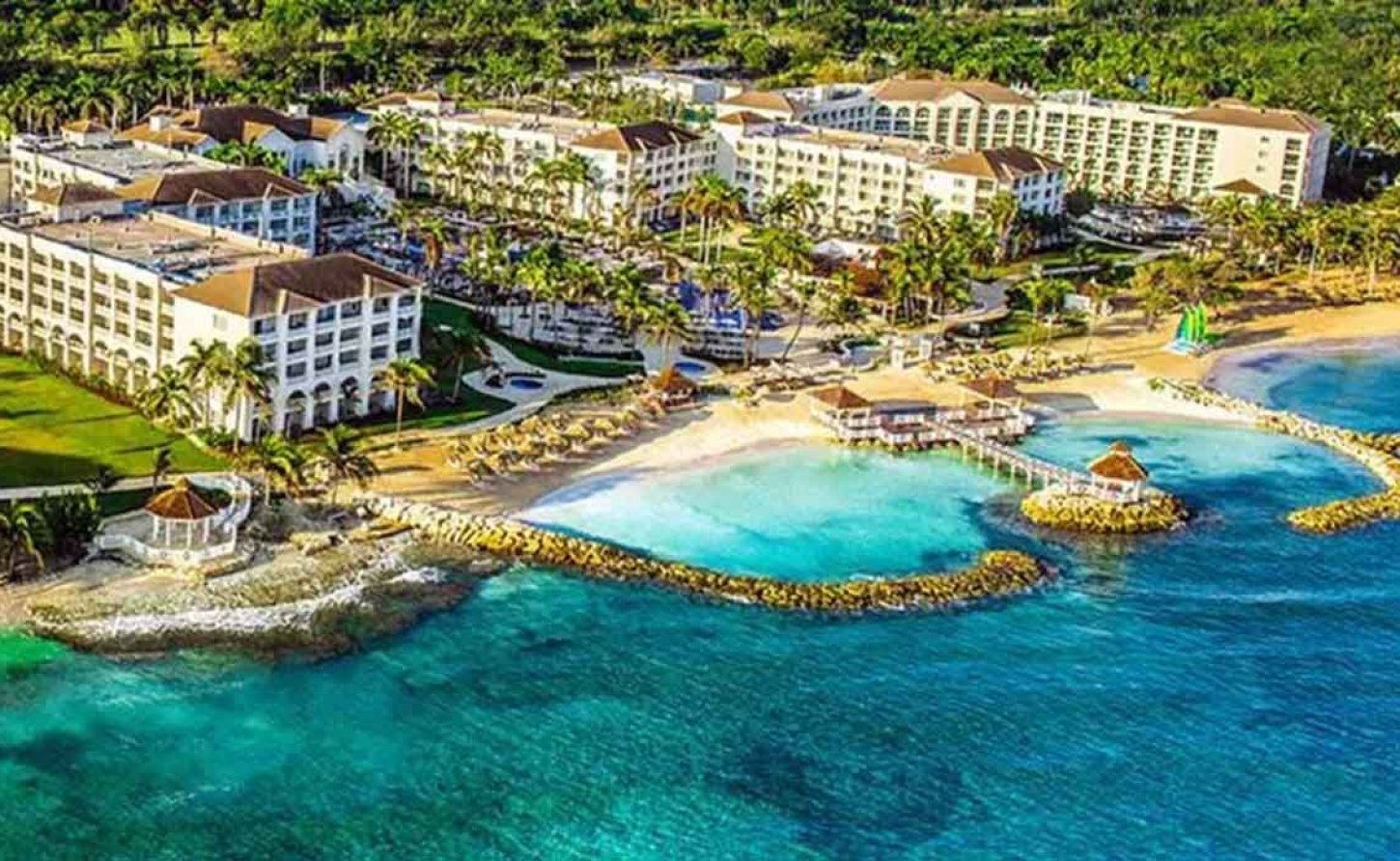
Hyatt's Inclusive Collection has suspended operations and new bookings at its eight Montego Bay-area properties through January, including the Breathless Montego Bay, Dreams Rose Hall, Hyatt Zilara Rose Hall, Hyatt Ziva Rose Hall
Tour operators and Destination Marketing Companies (DMCs) warn government’s revenue grab will price Jamaica out of the Caribbean market—right when it can least afford it.
By Calvin G. Brown | WiredJa
MONTEGO BAY, Jamaica, February 13, 2026 Hurricane Melissa battered Jamaica’s tourism sector with 185-mile-per-hour winds. Now, barely four months later, the Holness administration appears determined to finish the job with a tax policy that industry insiders are calling a death sentence for the very businesses fighting to keep Jamaica competitive in the Caribbean.
Finance Minister Fayval Williams announced on Thursday that the concessional General Consumption Tax rate on tourism activities will rise from 10 per cent to 15 per cent, effective April 2027. The government projects the increase will generate $11.4 billion annually.
But for the destination management companies, tour operators, and attraction owners who actually move tourists from airport to hotel to adventure, the arithmetic tells a very different story.

Opposition Spokesperson on Tourtism and Linkages, and MP for East Hanover Ms Andrea Purkiss.
The cascading impact is brutal: when a 5 per cent GCT increase hits tour operators, they pass it to cruise lines, who then double the surcharge to passengers. The result is a price point that makes Jamaica’s offerings increasingly uncompetitive against regional rivals.
And Jamaica is already losing the price war. All-inclusive packages in the Dominican Republic run US$50 to US$80 less per night than comparable Jamaican offerings. Google searches for Jamaica as a destination are reportedly down 50 per cent.
Meanwhile, 40 per cent of hotel rooms in western Jamaica—including Montego Bay—will not reopen until 2027, the very year this tax kicks in. The government is raising the price of admission to a house still being rebuilt.
The DMCs—companies like The Noel Sloley operated Jamaica Tours Limited, Island Routes, Amstar, and NEXUS that form the connective tissue of the visitor experience—are caught in the most punishing position.
These businesses sell the tours, coordinate the logistics, and ensure a tourist’s dollar circulates through the local economy rather than remaining trapped inside all-inclusive walls. Taxing them further doesn’t just hurt margins; it undermines the entire economic multiplier effect that makes tourism meaningful for ordinary Jamaicans.

Jamaica's tourism minister Edmund Bartlett
Instead of spending on visibility, the Tourist Board has been collecting plaques while the competition eats Jamaica’s lunch.
Minister Williams framed the new taxes as unavoidable, telling Parliament that only a Category 5 hurricane could have broken a decade of no new taxes. But tourism operators are asking a harder question: why is an industry that lost billions in infrastructure being asked to shoulder a disproportionate share of the recovery burden? The tourism GCT increase alone will bring in more annually than the new levies on cigarettes, alcohol, and digital services combined.
MP Purkiss, whose Eastern Hanover constituency sits at the heart of the tourism belt, has been sounding the alarm for months about hospitality workers left without income while properties remain shuttered. This tax increase adds insult to that injury—squeezing a sector already operating at barely half capacity.
The question the government must answer is straightforward: in a year when the economy is projected to contract by 0.5 per cent and every Caribbean competitor is sharpening its pricing to steal market share, is this really the moment to make Jamaica more expensive?
The tour operators, DMCs, and attraction owners who power the visitor experience have given their answer. Whether Kingston is listening is another matter entirely.
© 2026 WiredJa. All rights reserved.
-30-
