
JAMAICA | PNP Demands Caribbean Stand Against US Embargo as Cuba Faces Humanitarian Crisis
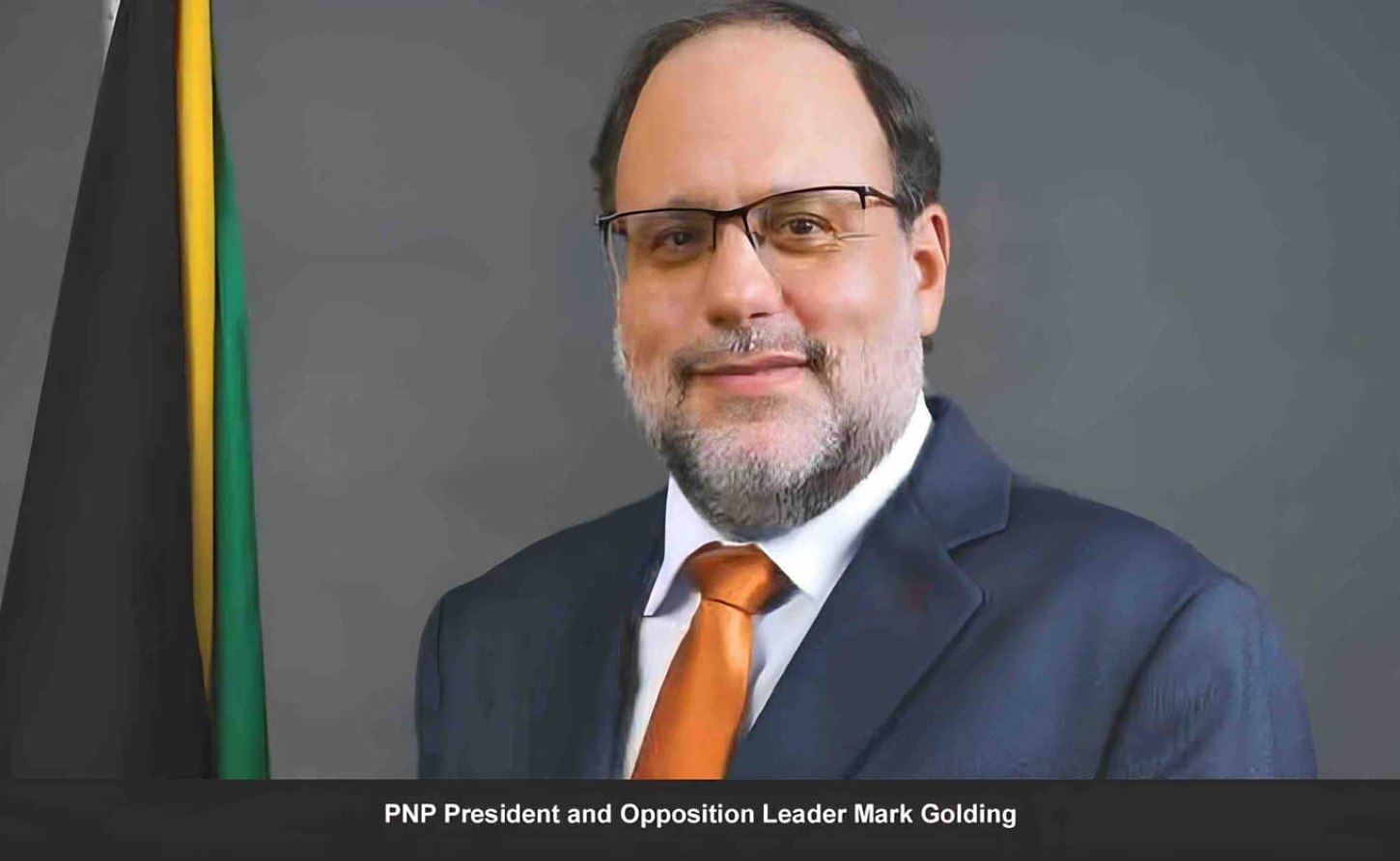
JAMAICA | PNP Demands Caribbean Stand Against US Embargo as Cuba Faces Humanitarian Crisis
Jamaica's Opposition PNP breaks regional silence, declares solidarity with island nation as Washington intensifies 60-year economic strangulation
MONTEGO BAY, Jamaica, February 16, 2026 - The silence from Caribbean governments has been deafening.
As Cuba confronts what the People's National Party now characterizes as an "increasingly difficult humanitarian situation," Jamaica's main opposition party has done what the region's sitting administrations have largely refused to do: publicly acknowledge that Washington's six-decade embargo is producing a humanitarian catastrophe just 90 miles from American shores.
In a statement issued Sunday, the PNP declared solidarity with "the Government and people of the Republic of Cuba," framing the crisis not as an internal Cuban failure but as the direct result of "external pressures" that "continue to adversely affect the daily lives and well-being of the Cuban people."
The carefully worded statement—diplomatic in tone but unmistakable in meaning—represents a direct challenge to the regional consensus of convenient amnesia about Cuba's decades of service to the Caribbean.
The Debt Jamaica Refuses to Calculate
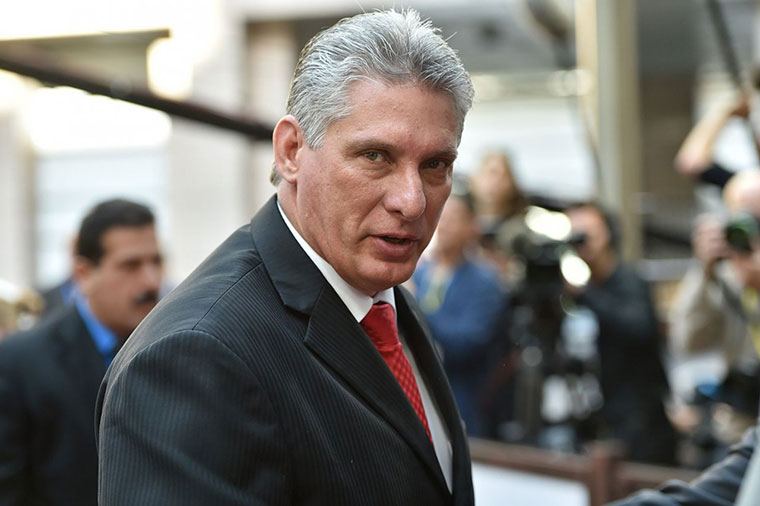
Cuban President Miguel Diaz Canel
Cuban medical brigades have staffed clinics in rural Jamaica where no other doctors would serve. Cuban engineers, teachers, and technical experts have transferred knowledge and skills that built institutional capacity across the Caribbean.
This wasn't charity with strings attached. This wasn't conditional aid dependent on adopting particular economic models or political positions. This was solidarity—the kind that doesn't appear in World Bank spreadsheets but shows up in emergency rooms, classrooms, and communities across the archipelago.
The PNP's statement acknowledges what regional governments prefer to forget: "Cuba is deserving of support as it faces mounting humanitarian and economic challenges." It's a recognition that debts of this magnitude cannot be repaid with silence when the creditor is drowning.
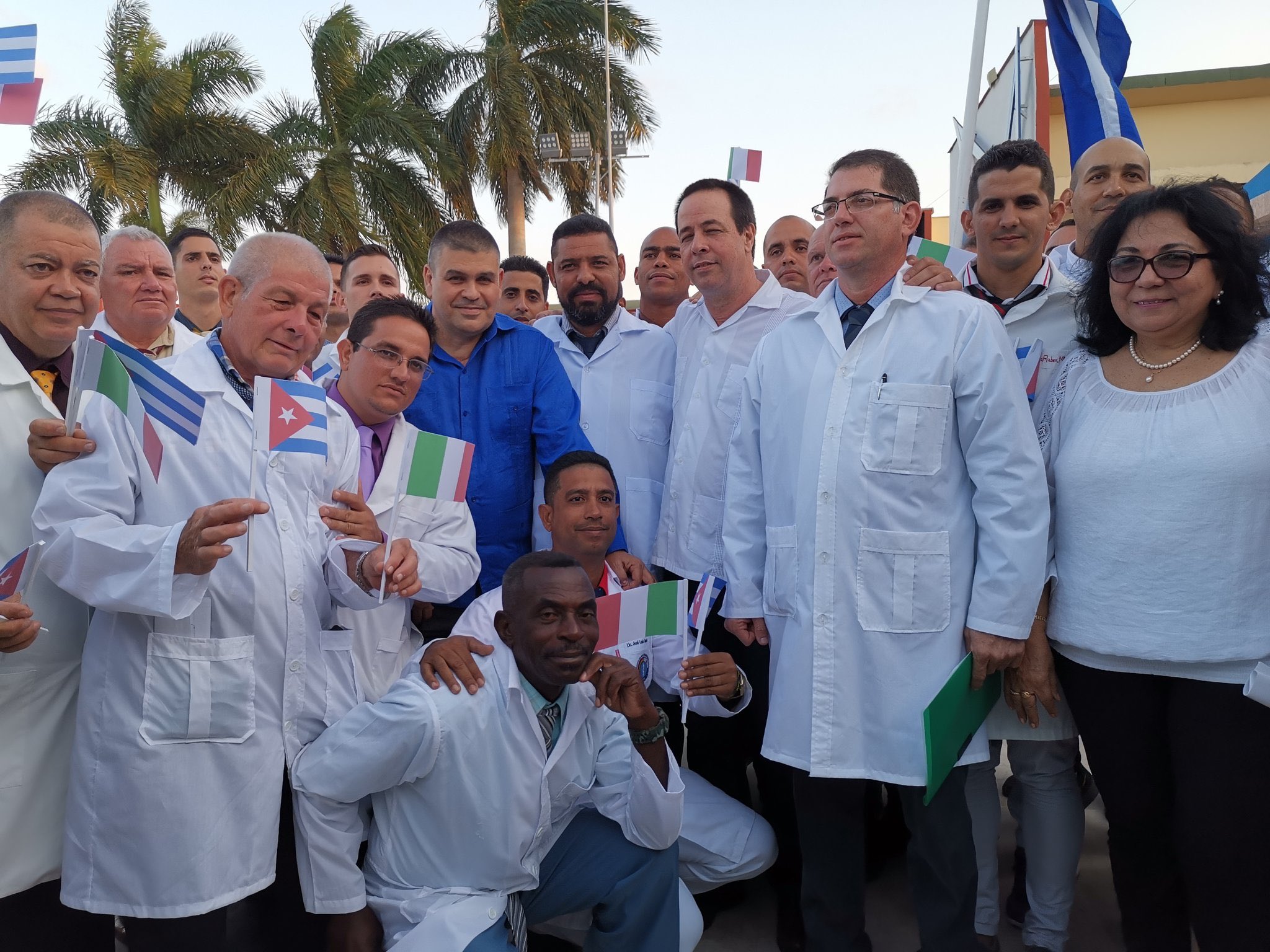 Jamaica and the rest of the Caribbean have been home to hundreds of Cuban medical personnel who have been supporting the regional's health initiatives.Principles Under Pressure
Jamaica and the rest of the Caribbean have been home to hundreds of Cuban medical personnel who have been supporting the regional's health initiatives.
What makes the PNP's intervention significant is not just its acknowledgment of Cuba's contributions, but its insistence that the Caribbean's foundational principles are now being tested. The party emphasizes "the importance of regional and international engagement grounded in international law, non-interference, and peaceful cooperation"—principles that sound anodyne until you recognize they directly contradict Washington's approach to Cuba.
The statement's call for CARICOM and regional countries to "stand firmly in defence" of these principles is simultaneously a reminder and an indictment. The Caribbean has historically positioned itself as a "Zone of Peace," rejecting great power interference and military solutions to political disputes.
Yet as the Trump administration escalates economic pressure on Cuba—with Secretary of State Marco Rubio leading the charge—regional governments have offered little more than platitudes.
The PNP is effectively asking: If we abandon these principles for Cuba, what prevents them from being abandoned for any of us when it becomes politically convenient?
The Clinical Reality of Starvation
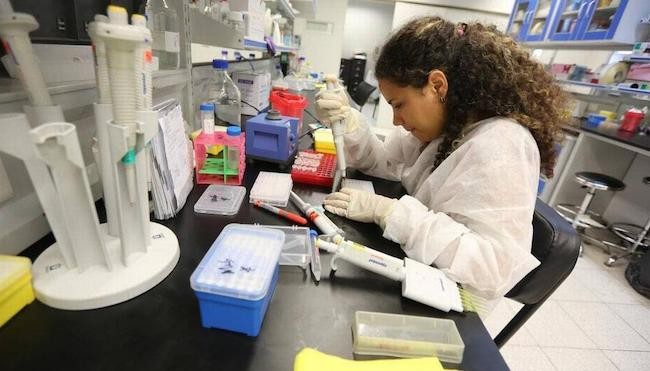
Biotecnologia Cuba
The letter strips away diplomatic niceties to describe what the embargo actually means in human terms: elderly Cubans dying prematurely because Washington prohibits pharmaceutical companies from selling heart medications; incubators shutting down in neonatal units because fuel supplies are sanctioned; doctors lacking syringes and anesthesia not because Cuba can't afford them, but because the blockade prevents purchase and delivery.
"This isn't a crisis. It is a slow, calculated, coldly executed murder, orchestrated from Washington," the letter declares, calling the embargo "terrorism through hunger" and demanding the international community "call the blockade by its name: CRIME AGAINST HUMANITY."
Whether the letter's author is genuine or whether it represents a coordinated communications campaign matters less than its evident resonance among ordinary Jamaicans who remember Cuba's contributions and now witness its suffering.
The fact that it's being forwarded to diaspora communities in the very countries maintaining the embargo represents a bottom-up mobilization that official statements rarely achieve.
Talk or Action?
The PNP's statement, for all its diplomatic language, poses an uncomfortable question to the region: Will Caribbean governments honor their stated commitment to sovereignty, non-interference, and peaceful cooperation, or will they fold under the weight of American geopolitical pressure?
Cuba asked for nothing when it sent doctors to Jamaica during health crises. It demanded no political alignment when it educated Caribbean students. It imposed no conditions when it shared technical expertise across the region. The solidarity was unconditional.
Now, as that same Cuba faces what the PNP correctly identifies as mounting humanitarian challenges—challenges directly resulting from intensified American sanctions—the region's response will define whether Caribbean principles are genuine commitments or convenient rhetoric deployed only when politically safe.
The ordinary Cuban woman's viral letter ends with a challenge: "Which side of history do I want to be on?" It's a question Jamaica's government, and the wider Caribbean, can no longer avoid answering. The PNP has declared its position. The silence from elsewhere grows louder by the day.
-30-
