JAMAICA | Holness Bows: Jamaica Ends 50-Year Cuba Health Partnership While St. Lucia Stands Firm
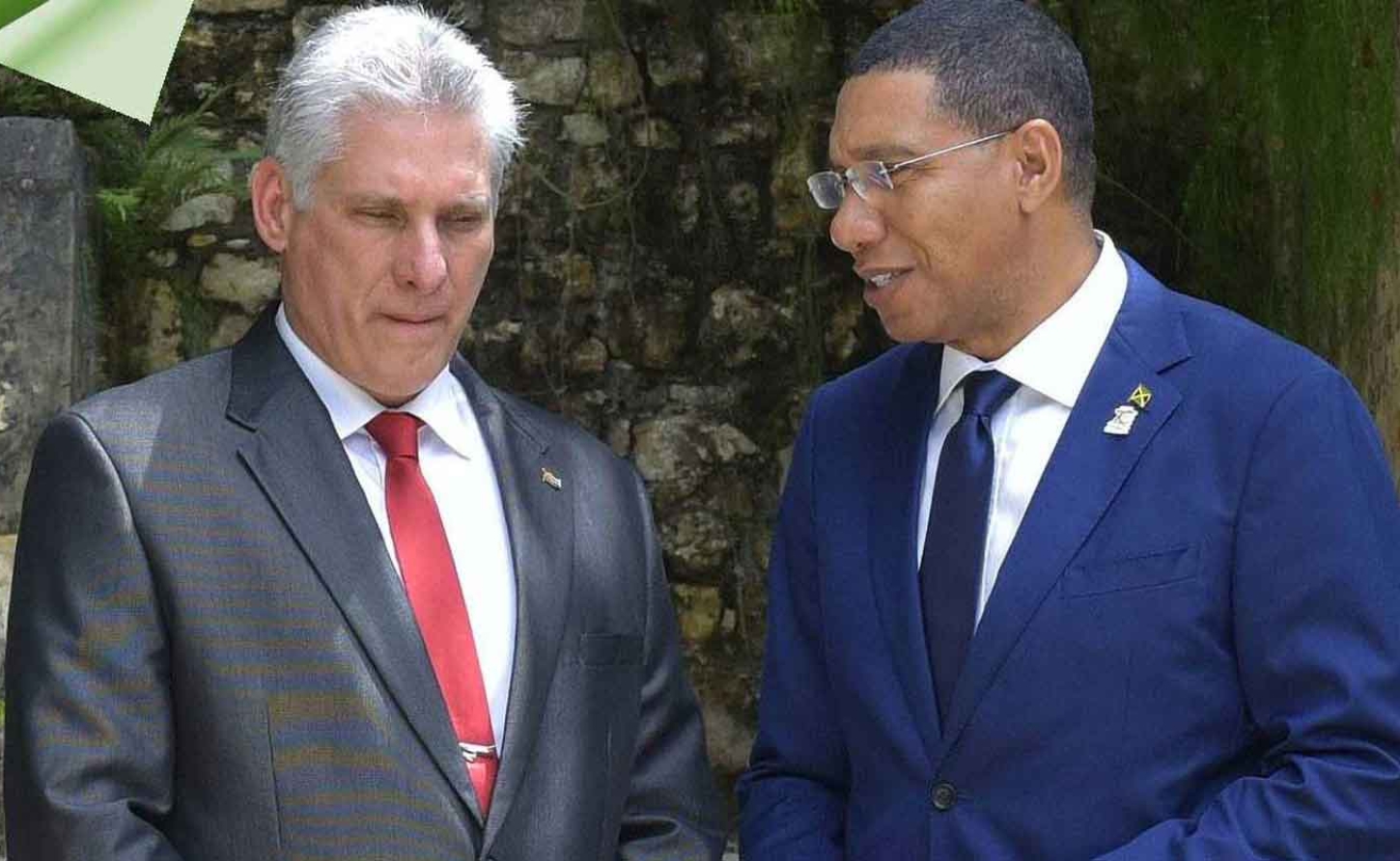
Cuban President Miguel Díaz-Canel Bermúdez in conversation with Jamaica's Prime Minister Dr. Andrew Holnerss
Marco Rubio gets his way as Kingston bows to Washington pressure — and the Caribbean's most vulnerable patients are left to pay the price
KINGSTON, Jamaica March 5, 2026 - The announcement came wrapped in the clinical language of diplomacy — a foreign ministry statement, careful wording, expressions of "sincere appreciation." But make no mistake: when the Government of Jamaica confirmed this week that it was discontinuing its five-decade medical cooperation programme with Cuba, it was not the language of partnership that ended fifty years of Caribbean solidarity. It was the language of surrender.
For the first time since 1976 — through the Cold War, through IMF austerity, through a pandemic that would have overwhelmed Jamaica's public health system without Cuban hands — the arrangement that sent doctors, nurses, and specialists into Jamaica's most underserved communities has been formally terminated.
The reason? Jamaica and Cuba "were unable to agree on the terms and conditions of a new technical cooperation arrangement" following the expiration of the previous agreement in February 2023.
That is the official version. The fuller version is written in Washington, D.C., where US Secretary of State Marco Rubio has spent months systematically dismantling Cuba's international medical programme — one Caribbean nation at a time.
Rubio's Playbook
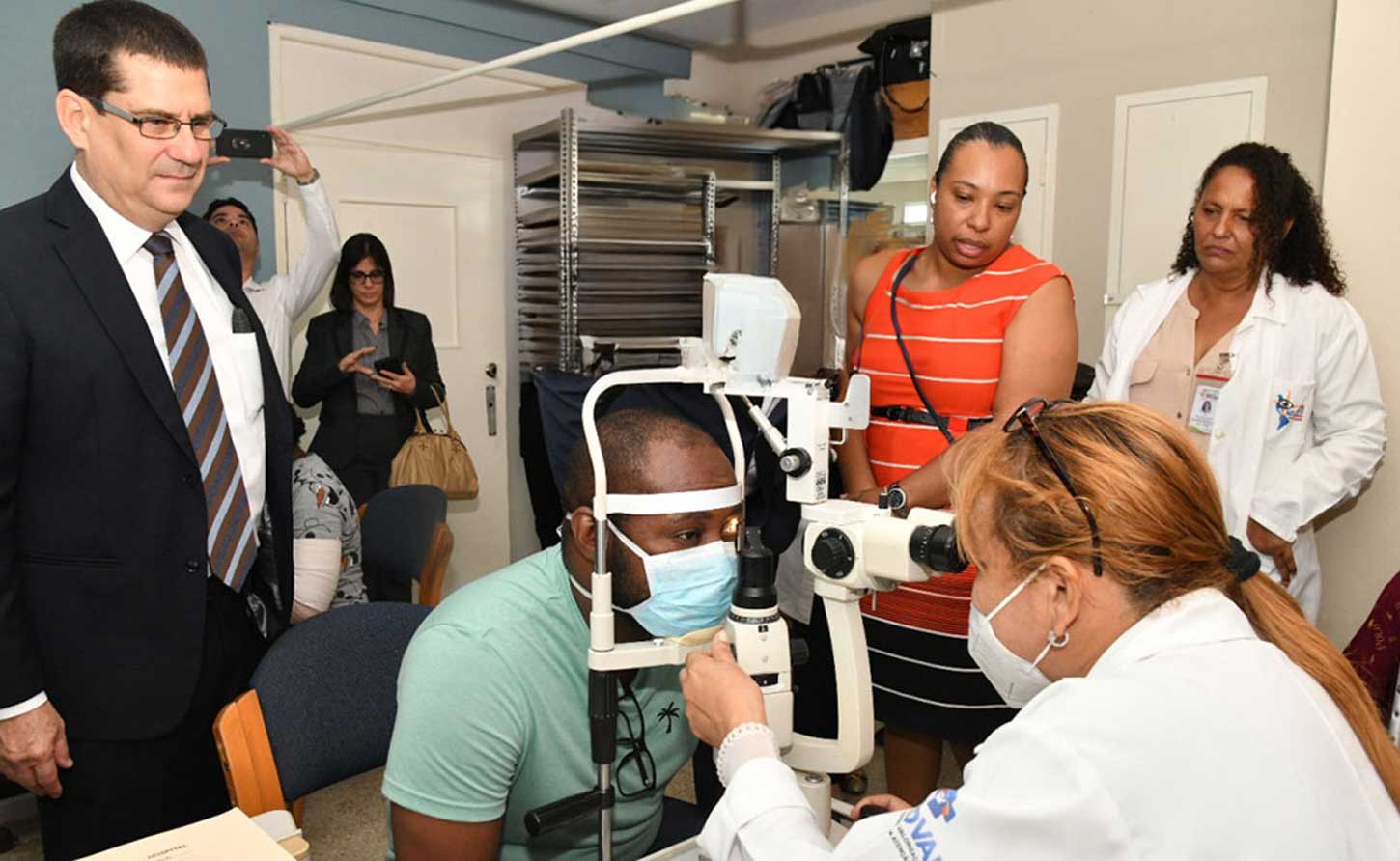
Cuban Eye Care Doctors at St. Josephs Hospital in Kingston. At left is Cuba’s former Ambassador to Jamaica, His Excellency Fermin Gabriel Quiñones Sánchez.
The message was unambiguous: host Cuban doctors, lose your American visa. The State Department described Cuba's medical missions as "forced labour schemes" featuring what it called "abusive and coercive labour practices."
Caribbean leaders who once stood defiantly against these characterisations are now, one by one, acquiescing. The Bahamas suspended the hiring of Cuban doctors. Guyana ended its programme in February 2026.
Guatemala announced a gradual phase-out. And now Jamaica — the nation whose 1972 recognition of Cuba under Michael Manley was a defining act of Caribbean sovereign defiance — has joined the retreat.
The financial stakes driving Washington's campaign are considerable. According to estimates, Cuba's professional services exports — of which medical missions form the backbone — generate between US$4 billion and US$8 billion annually, making them among the island's primary sources of foreign exchange. Destroying that revenue stream is not a byproduct of American policy. It is the objective.
The Holness Two-Step
What makes Jamaica's capitulation particularly glaring is the remarkable contradiction performed by Prime Minister Andrew Holness himself. At the CARICOM 50th anniversary summit just days before the discontinuation announcement, Holness stood before regional leaders and praised Cuba for "supporting the region's health system." He described Jamaica as "sensitive" to the struggles of the Cuban people enduring the American oil blockade.
Sensitivity, it turns out, has its limits — and those limits are drawn somewhere between a CARICOM podium and a US Embassy meeting.
Health Minister Dr. Christopher Tufton had been telling Jamaicans as recently as last month that the Cuban workers were still in place, that negotiations were ongoing. A government official with knowledge of the talks was blunter: "The implications for the health sector are great and it is a terrible situation for any health minister, to be caught up between saving lives and foreign policy fights. Jamaica has made its choice."
Jamaica has indeed made its choice. And the region is watching.
St. Lucia Holds the Line
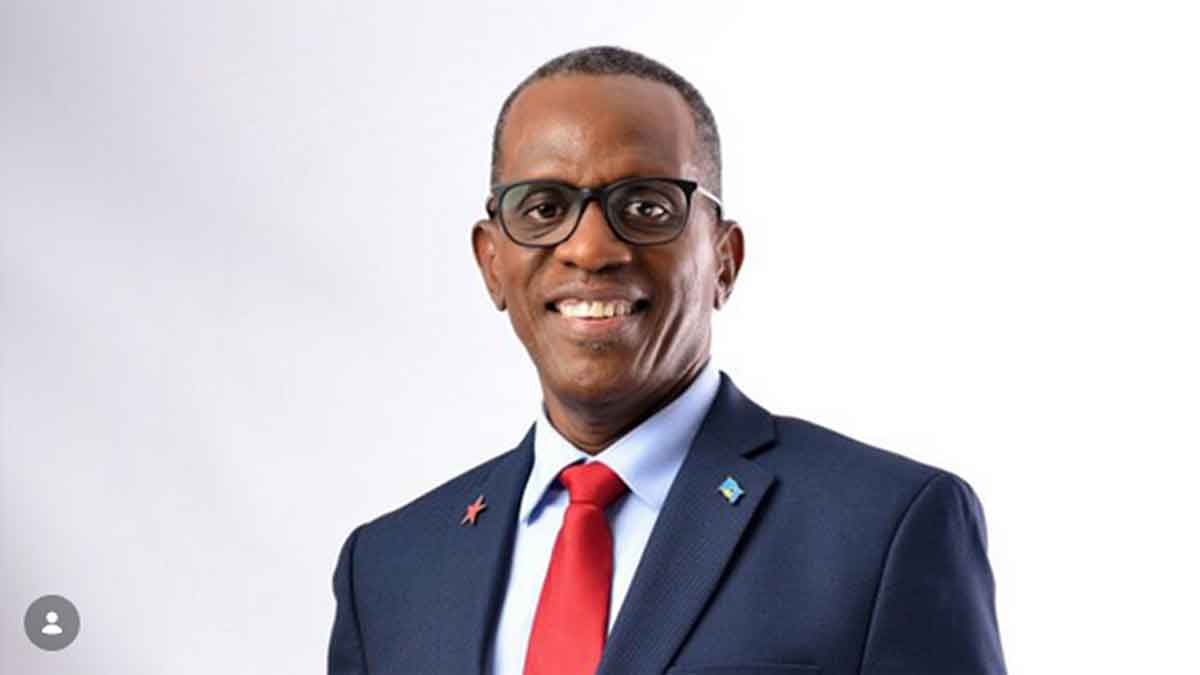
SAt. Lucian Prime Minister phillip pierre
St. Lucia's External Affairs Minister Alva Baptiste went further, confirming that Castries received a US diplomatic note — and pushed back. "We responded to the US indicating clearly that we are not in violation of any international obligations," Baptiste told reporters. Cuban medical professionals, his government insisted, are legally employed and are not victims of forced labour.
That is the posture of a government that understands the difference between an alliance and a vassal relationship. Kingston appears to have forgotten that distinction.
What Jamaica Actually Loses
Strip away the diplomatic language and the human reality is stark. Nearly 300 Cuban doctors and specialists currently serve across Jamaica's public health facilities. The Cuban-supported eye care programme has restored or preserved the sight of thousands of Jamaicans who could never have afforded private ophthalmological care.
Cuban doctors and nurses have staffed rural clinics and hospital wards that Jamaican-trained medical professionals — many of whom themselves studied in Cuba on government scholarships — have historically been reluctant to serve.
Opposition Spokesperson on Health Dr. Alfred Dawes captured the weight of what is being discarded. He described the partnership as "not merely diplomatic" but "humanitarian — measured in lives saved, families comforted, and communities restored."
Those communities — in Westmoreland, in St. Thomas, in rural Hanover — did not decide that foreign policy priorities outweigh their access to healthcare. That decision was made for them.
The Sovereignty Question the Region Cannot Avoid
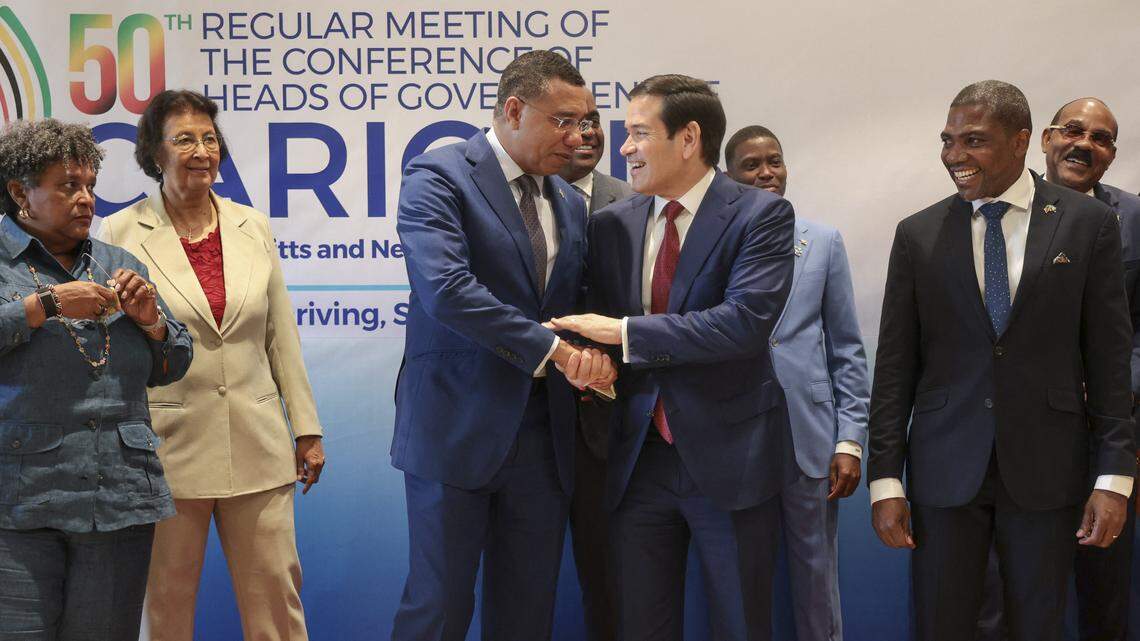
US Secretary of State Marco Rubio shakes hands with Jamaica's Prime Minister Andrew Holness during a photo with Caribbean Community (CARICOM) heads of government in Basseterre, Saint Kitts and Nevis, February 25, 2026. Rubio was meeting with Caribbean leaders seeking a common line on Venezuela and pressure on Cuba.
Barbados's Prime Minister Mia Mottley said it plainly in March 2025: the region could not have survived the pandemic without Cuban nurses and doctors, and Washington's characterisation of that partnership as human trafficking was received with the contempt it deserved.
Former T&T Prime Minister Keith Rowley declared himself willing to lose his US visa rather than abandon healthcare for his people.
Andrew Holness was not. In fact according to United States Special Envoy for Latin America Mauricio Claver-Carone, “Jamaica is probably our most like-minded partner in the Caribbean.”
The question that now hangs over every CARICOM meeting, every bilateral negotiation, every health ministry budget in the region is this: if Washington can dictate which doctors staff Caribbean hospitals, what exactly does Caribbean sovereignty mean? And which government will be next to discover its limits?
Fifty years of partnership, built on solidarity and mutual respect, ended not with a fight — but with a foreign ministry statement and expressions of sincere appreciation.
Marco Rubio did not even have to break a sweat.
-30-
