CUBA | Senate Democrats Move to Block Trump’s Cuba War Gambit
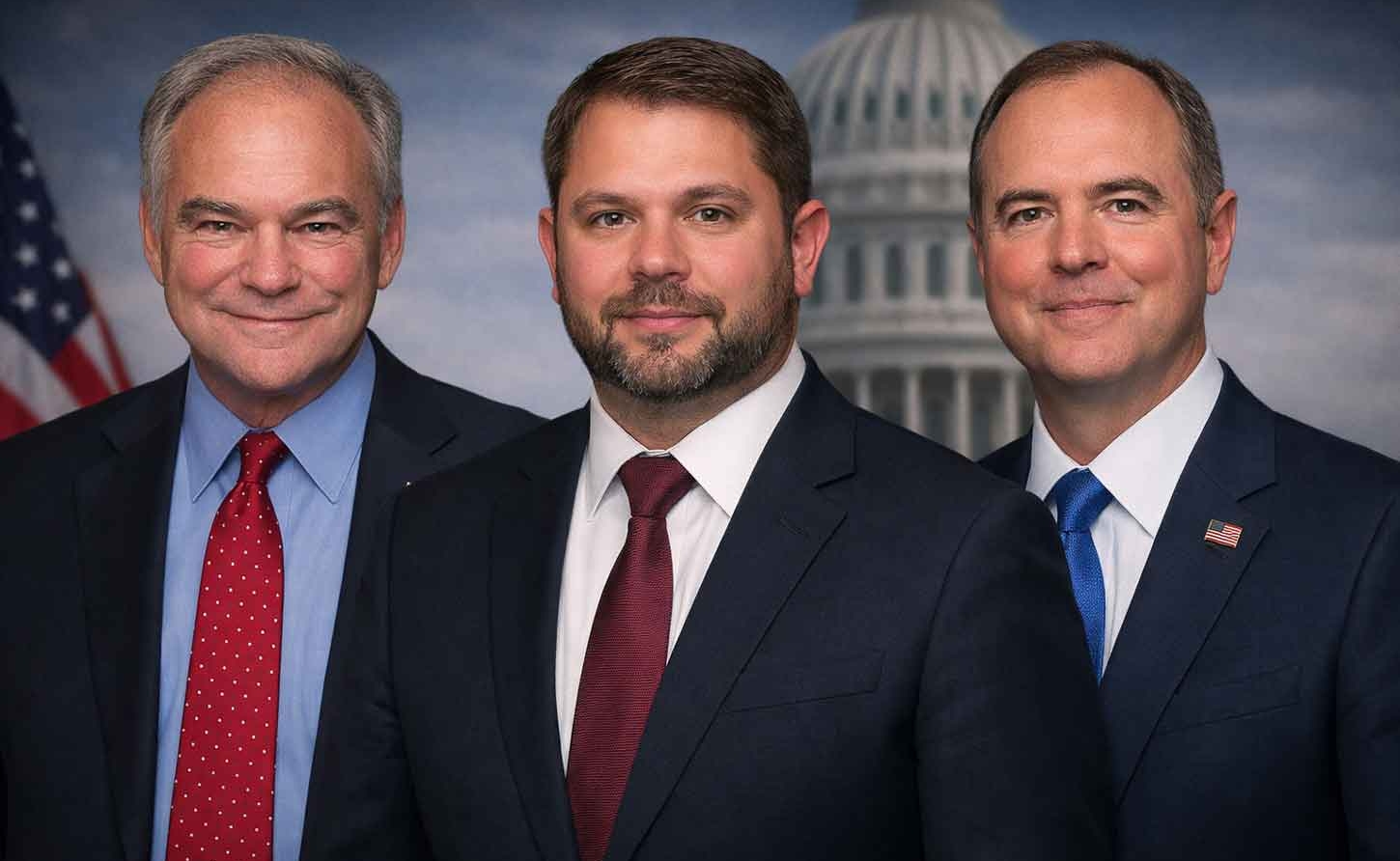
Democratic Senators: Tim Kaine, Ruben Gallego, and Adam Schiff have filed a War Powers Resolution
Congress Draws a Line: Senate Democrats Move to Block Trump’s Cuba War Gambit
A War Powers Resolution challenges the President’s unchecked militarism — but with Republicans firmly in his corner, the Caribbean holds its breath
By Calvin G. Brown | Regional Affairs | March 16, 2026
It started with a threat cloaked in the casual menace that has become Donald Trump’s geopolitical signature. The United States, he announced, might carry out a “friendly — or not friendly — takeover” of Cuba. The island, he declared, would “fall soon.” It should make a deal “before it is too late.” For the Caribbean, those words were not bluster. They were a blueprint.
Now, three Senate Democrats have decided that enough is enough. Senators Tim Kaine of Virginia, Ruben Gallego of Arizona, and Adam Schiff of California filed a War Powers Resolution on Thursday that would compel the President to remove U.S. Armed Forces from any hostilities against Cuba unless Congress explicitly authorizes military action.
Under the 1973 War Powers Resolution, the trio can force an initial procedural vote on their Cuba measure within ten days of its introduction.
The move is constitutionally grounded, politically courageous — and almost certainly doomed.
But the filing matters, regardless. Because what is happening to Cuba right now is not merely a bilateral dispute between Washington and Havana. It is a demonstration of raw imperial power being applied in the Caribbean Basin, with consequences that every island nation in this region must reckon with.
THE ANATOMY OF A SIEGE
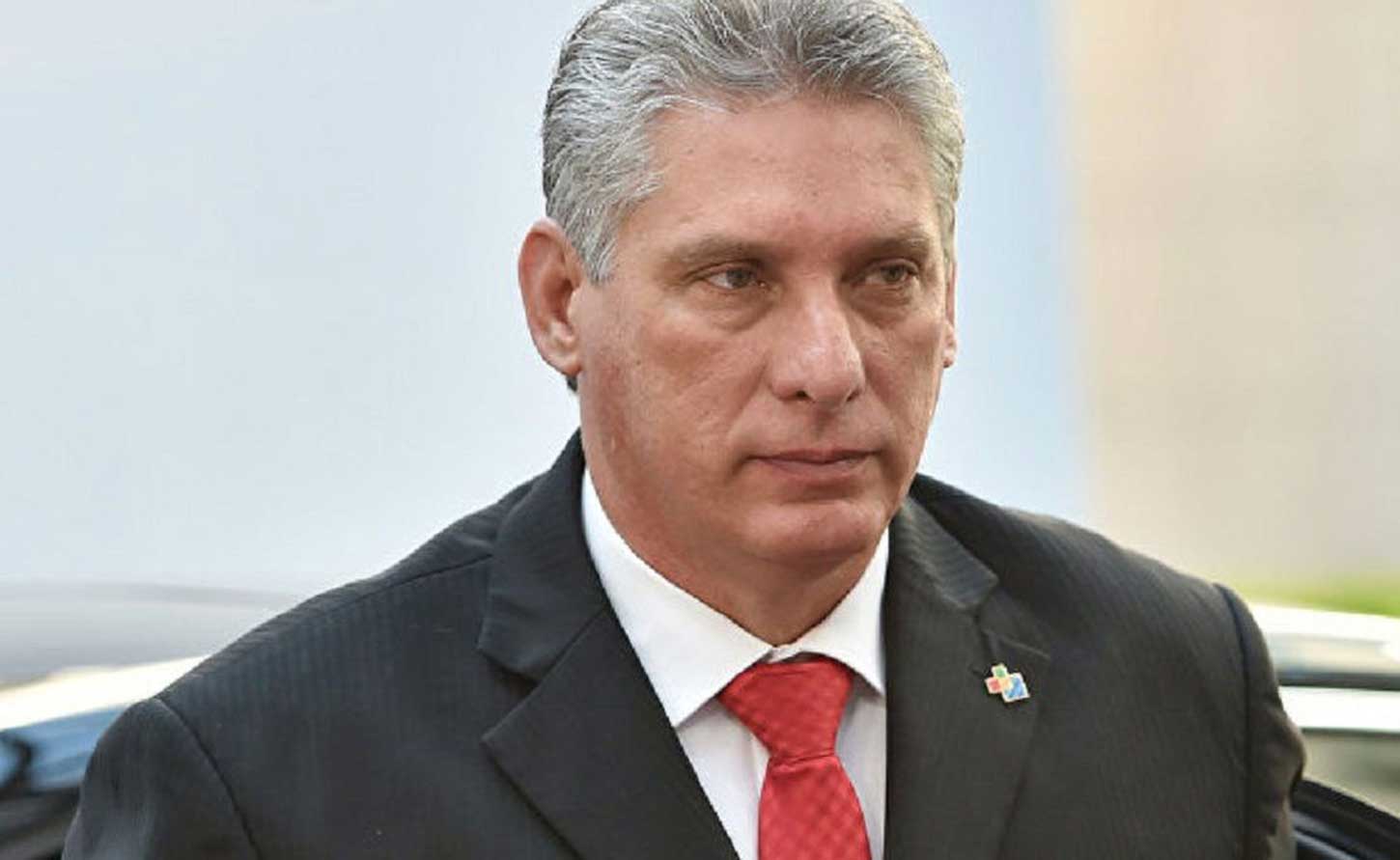
The Government of Cuba has confirmed that discussions have taken place with the United States.
The consequences have been catastrophic. Cuban President Miguel Díaz-Canel confirmed last week that no fuel shipments have reached Cuba for three months, triggering widespread power outages and delaying tens of thousands of medical procedures in hospitals stripped of reliable electricity.
This is what modern imperialism looks like: not just troops and tanks, but blockades engineered to starve a population into submission.
And Trump has not been shy about his objectives. He has said the U.S. would “take care of Cuba” and suggested the island would “fall soon” and should make a deal “before it is too late.” Meanwhile, his close Senate ally Lindsey Graham went further — declaring on Fox News that “the liberation of Cuba is upon us.”
“Liberation.” The word should send a chill through every Caribbean government that has watched Washington’s version of liberation unfold in Haiti, Grenada, and Panama.
THE CONSTITUTIONAL CONFRONTATION
The War Powers Resolution filed by Kaine, Gallego, and Schiff strikes at the heart of a dangerous executive overreach that has defined Trump’s second term. The resolution would ensure any U.S. participation in hostilities against Cuba is explicitly authorized by Congress — a requirement that appears obvious given the Constitution, yet has been treated by this administration as an inconvenient formality.
Kaine put it plainly: the President “operates with the belief that the U.S. military is a palace guard, ordering military action in the Caribbean, Venezuela, and Iran without Congress’ authorization or any explanation for his actions to the American people.”
Gallego was blunter still, calling out the political machinery driving the aggression: a new war against Cuba, he argued, is designed to “satisfy neoconservatives in South Florida” — not to serve the American national interest.
Senator Schiff warned that “the president’s saber rattling toward Cuba makes clear where his sights are next,” and that Congress must make its voice heard or “risk involvement in another risky war of choice.”
WHY THIS MATTERS TO THE CARIBBEAN
From Kingston to Bridgetown, from Port of Spain to Georgetown, Caribbean leaders are watching this confrontation with a mixture of alarm and weary recognition. The hemisphere’s most powerful nation is behaving, once again, as though the region exists merely as a theatre for American strategic ambitions — its people and governments props in a drama scripted in Washington.
Cuba, whatever one’s politics, is a Caribbean nation. Its sovereignty belongs to the same tradition of hard-won independence that defines this entire region. An American military intervention in Cuba would not simply be a bilateral catastrophe — it would be a declaration that no Caribbean nation’s sovereignty is truly secure.
The War Powers Resolution is unlikely to pass. Even if it clears the Senate, it would face an uncertain future in the GOP-controlled House. Republicans have, thus far, served as reliable enablers of the President’s militarism, and there is little sign of defection on the horizon.
But the resolution does something important even in defeat: it forces every senator to go on record. It strips away the comfortable ambiguity that allows complicity to masquerade as neutrality.
For a Caribbean region that has spent generations insisting on the right to determine its own future — free from the Monroe Doctrine’s long and bloody shadow — that accountability matters.
The Caribbean is not a backyard. It is not a dominion. And Cuba is not a prize to be claimed. Washington would do well to remember it.
-30-
