
JAMAICA | The PNP at a Crossroads: The Reckoning & and The Rebuild
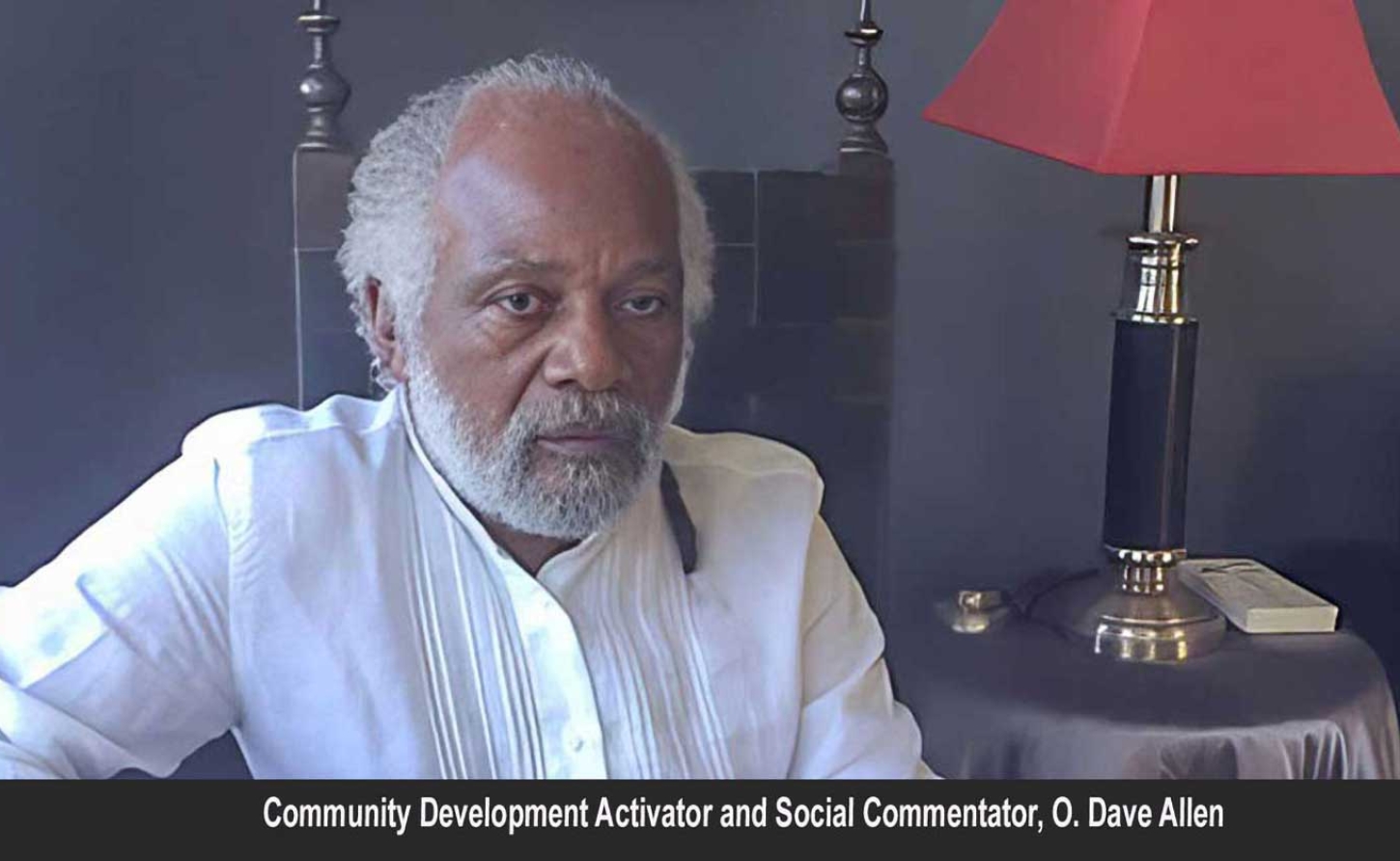
JAMAICA | The PNP at a Crossroads: The Reckoning & and The Rebuild
By O. Dave Allen
The Reckoning
After the Storm, the PNP Is quietly rebuilding for the 'Long Game'. Smarting from yet another electoral defeat, the People’s National Party may appear battered on the surface. Publicly, there is restraint—measured statements, subdued rhetoric, a studied calm. But beneath that surface lies a party quietly regrouping, calculating, and positioning itself for the long march back to Gordon House.
This is not the work of casual campaigning. It is strategy forged in private conversations, refined through internal assessment, and encoded into organisational practice. Those who mistake silence for surrender are misreading the moment.
Every serious political movement begins its recovery with honest self-examination. The PNP’s post-2025 review has been neither sentimental nor performative. Insiders describe a methodical appraisal that revisits everything: messaging failures, uneven constituency mobilisation, turnout slippage, organisational bottlenecks, and leadership signals that failed to translate into votes.
 Who underperformed? Who exceeded expectations? Who demonstrated discipline under pressure—and who did not? These questions are not debated in public forums, but they are shaping internal recalibration. Electoral defeat has a way of clarifying truths that victory often obscures.
The purpose of this phase is not blame; it is filtration. In politics, loss reveals who is essential and who is ornamental.
Out of this appraisal, a new chessboard has emerged. Damion Crawford commands attention with energy, fluency, and an ability to animate political spaces that have grown fatigued. His appeal is not confined to traditional party audiences, making him a variable that cannot be ignored.
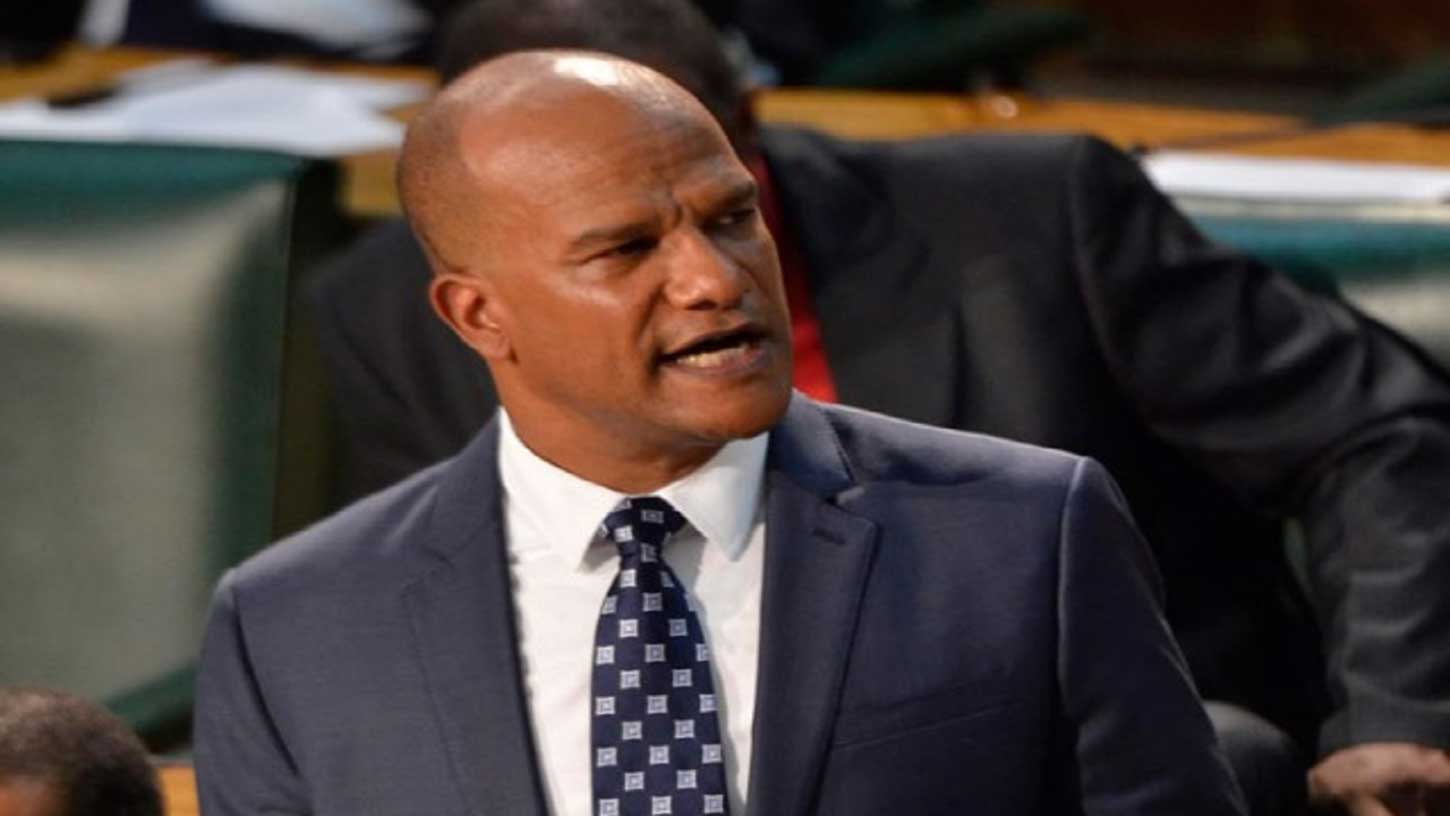
Seasoned campaigner Peter Bunting may also have his hat in the ring
Lisa Hanna remains an intriguing variable. Her name recognition, cross-generational reach, and symbolic weight continue to surface in internal calculations. In moments of party transition, visibility can become leverage—if deployed strategically.
And then there is Mark Golding. He has not expressed any intention to step aside and remains Leader of the Opposition. However, as with any serious political organisation, contingency planning is quietly underway. This is not a verdict on leadership but an acknowledgement of political reality.
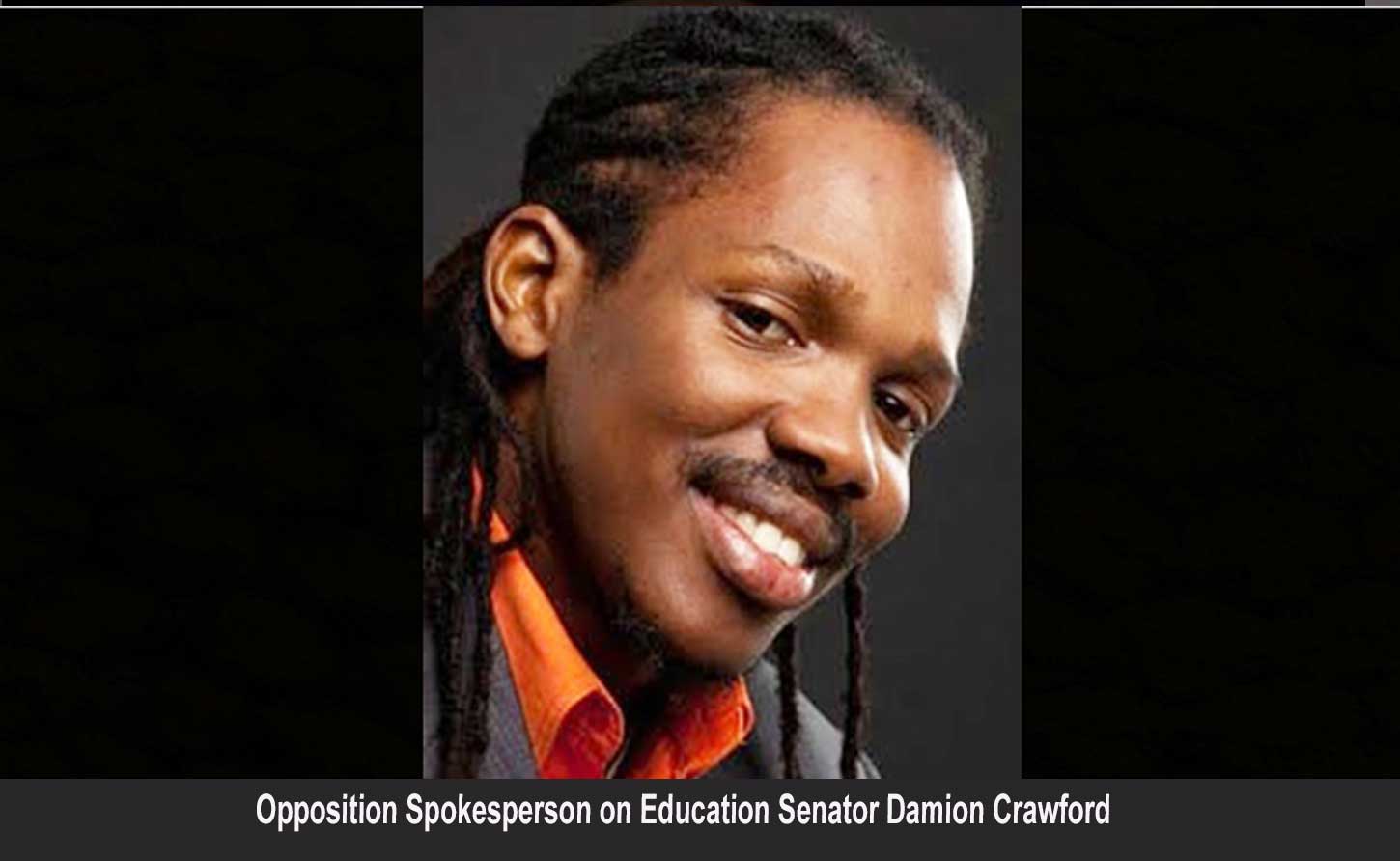
Damion Crawford commands attention with energy, fluency, and an ability to animate political spaces.
Electoral defeat may have stung, but it has clarified priorities. The PNP is not racing back to power; it is rebuilding the conditions under which power can be reclaimed sustainably.
The real question is not whether the party is regrouping—it clearly is. The question is who will ultimately emerge with the credibility, organisational reach, and generational resonance required for the next phase of Jamaica’s political contest.
The Rebuild
Before the Leader, the Idea: Why the PNP Must Settle Its Ideology Before Its Leadership
Political parties do not fail because they lack talent. They fail when they lack clarity.
In the aftermath of defeat, the instinct is to search for the right personality. But leadership contests conducted in the absence of ideological settlement are exercises in displacement.
For decades, the PNP has oscillated between its radical inheritance and its managerial present. The result is an unresolved tension that Gen Z voters detect with precision.
If the PNP is to rebuild, it must clarify its ideological spine: its economic vision, its relationship to the African redemptive tradition, and its strategy for power in the digital age.
Gen Z voters do not experience political history as memory but as narrative. They assess coherence, not nostalgia, and measure credibility through consistency.
Only after ideology is settled does leadership selection become meaningful. Charisma without ideological coherence is volatility.
For the PNP, the rebuild requires reversing the traditional order of operations: ideology first, leadership second.
The party must articulate a clear ideological framework that defines what it intends to confront, reform, and preserve.
The rebuild is not about replacing faces. It is about restoring coherence.
The real contest before the PNP is not between contenders. It is between coherence and drift.
