JAMAICA | PM Holness Locks Horns with Integrity Commission in Legal Battle, wants court to declare IC Report Unconstitutional
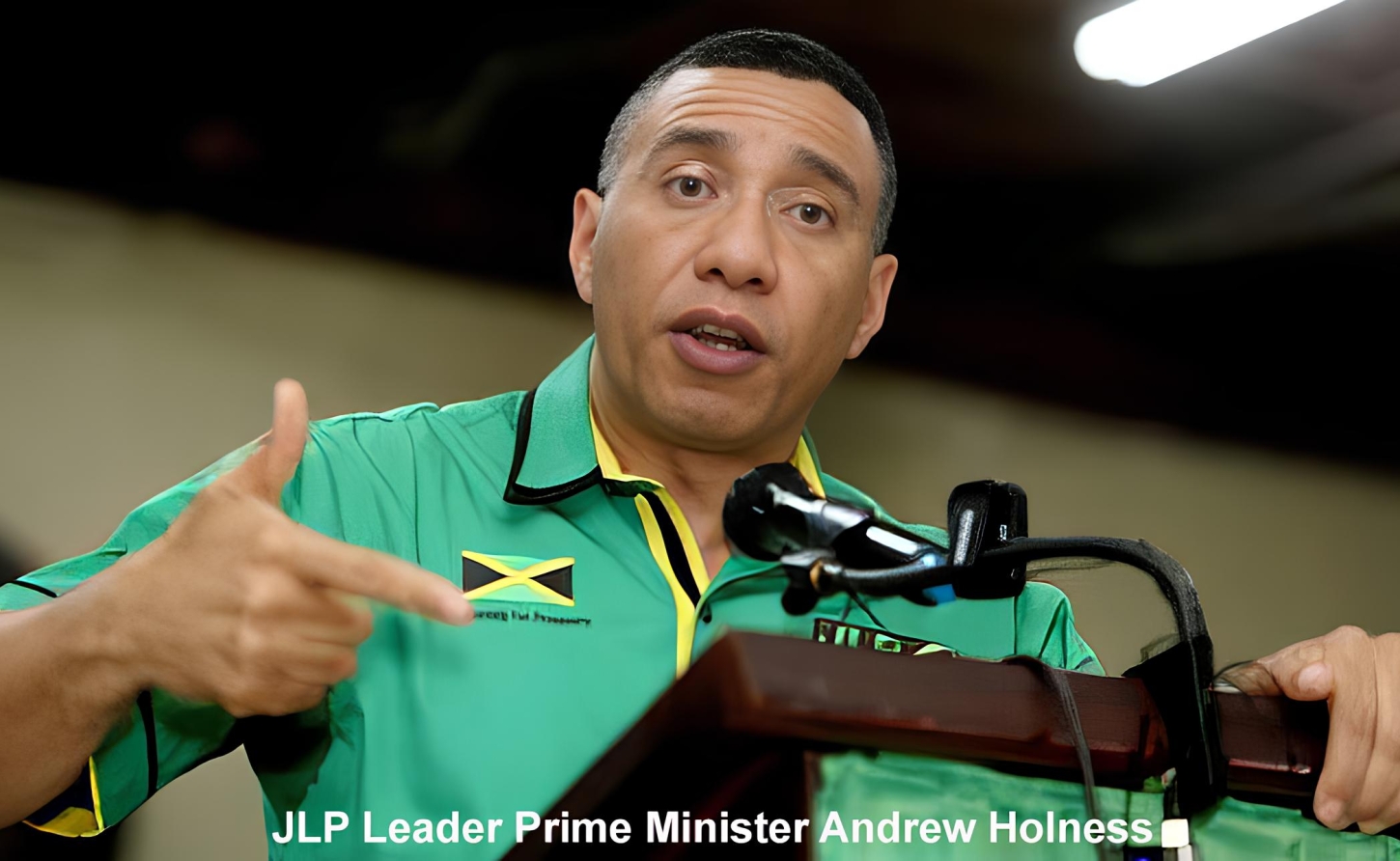
PM Holness applies to court seeking several declarations including damages for breach of privacy, negligent investigation, aggravated damages, and vindicatory damages
KINGSTON, Jamaica October 1, 2024 - In a high-stakes political drama unfolding in Jamaica, Prime Minister Andrew Holness finds himself at the center of a legal maelstrom, challenging the very watchdog tasked with ensuring governmental integrity.
The Prime Minister's legal team has launched a formidable counteroffensive against the Integrity Commission (IC), petitioning the Supreme Court to scrutinize what they claim are overreaching and potentially unlawful actions by the oversight body.
At the heart of this contentious battle lies the IC's refusal to certify Holness's statutory declarations over a three-year period, coupled with its decision to refer its findings to the Financial Investigations Division (FID). The Prime Minister's attorneys argue that these moves have cast an unwarranted shadow over their client's reputation.
In a blistering affidavit filed on Monday, Holness's legal team, Henlin Gibson Henlin, didn't mince words. They asserted that the commission's reports, now public fodder, "are tainted and ought to be struck down." The attorneys further alleged that the IC and its director of investigation had ventured beyond their mandate, acting "illegally and unfairly" in recommending an investigation into Holness for "illicit enrichment."
The legal salvo doesn't stop there. Holness's team is seeking a judicial review of the actions taken by key IC figures, including Craig Beresford, the director of information and complaints, and Kevon Stephenson, the director of investigation. They have applied to the Supreme Court to have the Integrity Commission investigation report into his financial affairs rejected as "unlawful", "unfair" and premised on an "unconstitutional" law.
Holness' application for permission to seek judicial review of actions of the anti-corruption agency was filed on September 30. The report was released by the House of Representatives on September 17. He is seeking 21 orders or declarations on 69 grounds.
They're questioning the commission's failure to certify Holness's 2021 and 2022 statutory declarations, despite what they claim is an absence of "reasonable suspicion of corruption or an offence" under the Integrity Commission Act.
In a move that could have far-reaching implications, the attorneys are pushing for the court to declare sections of the Integrity Commission Act unconstitutional, citing a "lack of fairness, impartiality, and independence" in the commission's current structure and functions.
The Prime Minister isn't just playing defense. His legal team is demanding that the court compel the IC to exonerate Holness of any culpability related to his 2021 and 2023 declarations. They're also seeking damages on multiple fronts, including breach of privacy and negligent investigation.
Holness himself has waded into the fray, disputing claims in the IC's report about the misappropriation of funds from his company, Positive Jamaica Foundation. He maintains that while the foundation is used for charitable purposes, it's not officially registered as a charity.
The IC's 179-page report, tabled in Parliament last month, raised eyebrows with its findings. While it recommended no charges for Holness's failure to declare four bank accounts in his statutory filings, it posed numerous questions about bond transactions and loans involving companies connected to at least one of his sons.
Here are the key points about the report:
- Length and Scope: The report is 179 pages long, indicating a thorough investigation into Holness's statutory declarations.
- Timeline: The report represents the culmination of a two-year investigation, during which Holness's statutory declarations remained uncertified.
- Main Objectives: The investigation sought to determine two primary things: a) Whether Holness owned assets disproportionate to his lawful earnings b) If he had made false statements in his statutory declarations through omissions
- Undeclared Bank Accounts: The report identified four bank accounts that Holness had not declared. These accounts had a combined balance of just under $446,000. Interestingly, these accounts were in the names of Holness's mother, father, and a former constituency worker.
- Holness's Explanation: The Prime Minister told Parliament that he was added to his parents' accounts, and for the account of the former constituency worker, he remembered encouraging her to open it but didn't recall how his name came to be on it.
- No Criminal Charges: Despite the undeclared accounts, the commission's director of investigation ruled that no charges should be brought against Holness for this oversight.
- Further Investigations: The report raised questions about bond transactions and loans taken out by companies connected to at least one of Holness's sons. The commission recommended referring these matters to the Financial Investigations Division (FID) and the Tax Administration of Jamaica (TAJ) for further scrutiny.
- Financial Scale: The transactions referred to the FID and TAJ involve more than $150 million, including a US$94,000 bond with Barita Investments.
- Tax Compliance: Questions were raised about whether the companies associated with Holness's son were compliant with their statutory filings with the TAJ.
- Positive Jamaica Foundation: The report claimed that Holness misappropriated funds from his company, Positive Jamaica Foundation. Holness disputes this claim, stating that while the foundation is used for charitable purposes, it is not officially registered as a charity.
This report has clearly touched off a significant legal and political controversy, with Holness and his legal team challenging not just the findings, but the very structure and authority of the Integrity Commission itself. The outcome of this legal battle could have far-reaching implications for how public officials' finances are scrutinized in Jamaica.
As this legal showdown unfolds, it threatens to shake the very foundations of Jamaica's anti-corruption framework. With both sides digging in their heels, the nation watches with bated breath, wondering how this clash between the highest office in the land and its integrity watchdog will reshape the political landscape.
