CARIBBEAN |The Ugly American Moment: US Embassy's Anti-Cuba Post Backfires Spectacularly in the Caribbean
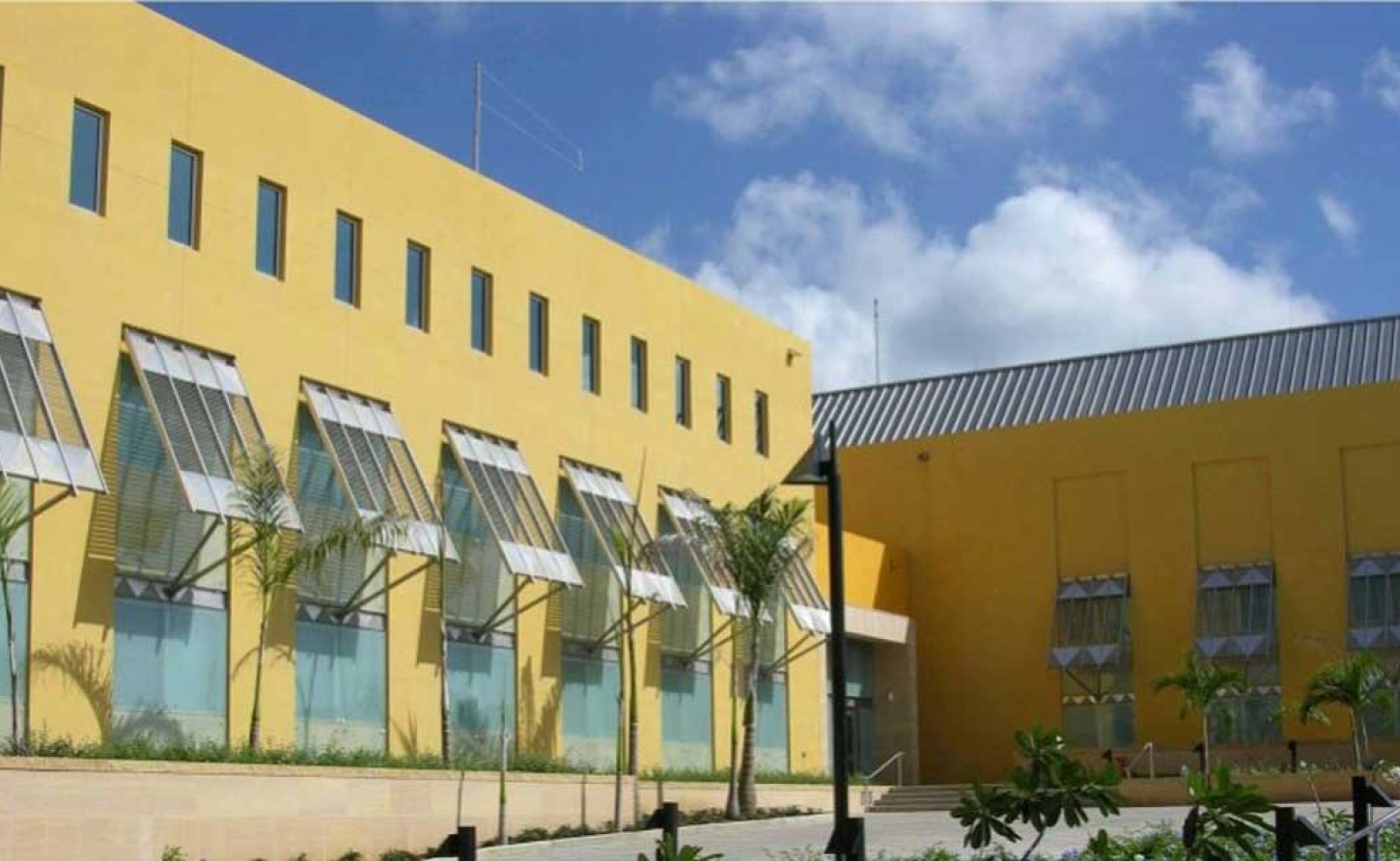
United States Embassy in Bridgetown, Barbados
When Washington's propaganda machine meets Caribbean reality, the results are not pretty
The US Embassy in Bridgetown, Barbados apparently missed the memo about reading the room. In a social media campaign echoing Secretary of State Marco Rubio's crusade against Cuba's international medical program, the diplomatic mission unleashed a Facebook broadside accusing the Cuban government of exploiting its healthcare workers.
The response from Caribbean citizens was swift, savage, and entirely predictable to anyone paying attention to regional sentiment.
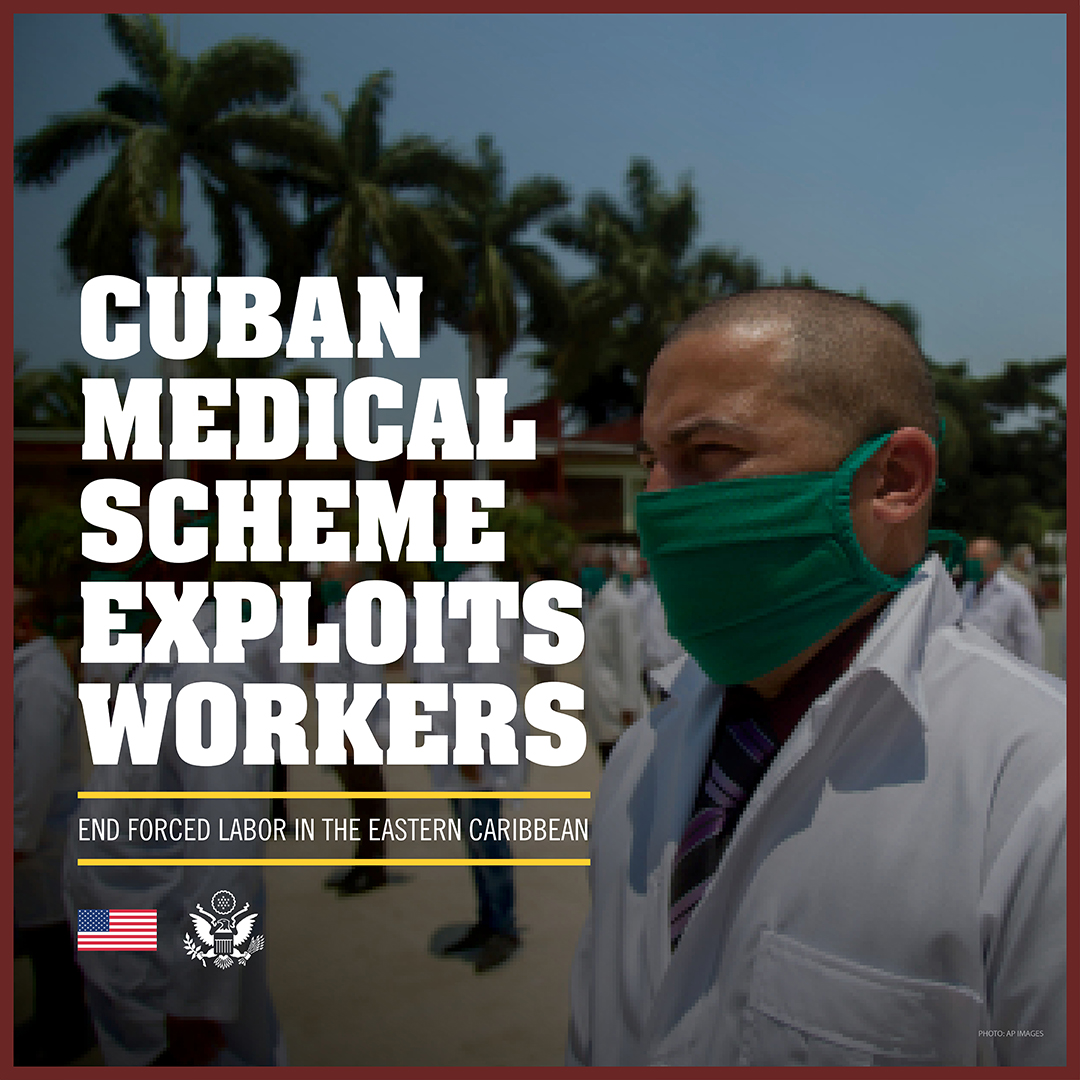
United States Embassy in Bridgetown, Barbados Facebook post.
Another posed the question that seems to haunt American moral pronouncements across the hemisphere: "Is the US sending medical personnel to help at moderate rates? I am sure NOT… save the lectures."
The comments section transformed into a referendum on American credibility, with users pointing out that this criticism came from a country where, according to a 2025 Roosevelt Institute report, medical debt constitutes most of the consumer debt that ends up in collections and is implicated in a majority of bankruptcies.
One commenter captured the absurdity perfectly: this critique originated from "the country where citizens who fall ill beg those around them not to call the hospital because one ambulance ride can leave them in poverty or jail."
The timing could hardly be worse for Washington's messaging. The Trump administration's aggressive posture toward the Caribbean, from visa restrictions on officials who partner with Cuban medical missions to broader regional security concerns, has generated unprecedented pushback from CARICOM leaders.
Barbados Prime Minister Mia Mottley and other Caribbean leaders are promising to sacrifice their US visas to defend Cuban medical brigades.
Prime Minister Mottley's response has been characteristically direct: "We could not get through the pandemic without the Cuban nurses and the Cuban doctors."
Her counterpart in St. Vincent and the Grenadines, Ralph Gonsalves, went further: "I will prefer to lose my visa than to have 60 poor and working people die."
The Facebook comments reveal how thoroughly Washington's narrative has failed to resonate with ordinary Caribbean people.
"Don't you have any achievements to post about?" demanded one user. "Done any humanitarian work in the region lately? Donated to any hospitals? Built any hospitals?? Why this broken record all the time??"
The question deserves a serious answer. An example of the Jamaica-Cuba partnership is the Jamaica/Cuba Eye Care programme: since it resumed in 2023, Cuban medical professionals have screened and conducted pre and post-operative care for several thousand Jamaicans, resulting in nearly 4,000 surgeries.
Meanwhile, America's contribution to regional healthcare security remains largely limited to short-term hospital ship visits and lectures about labour conditions.
Cuba currently offers this type of service to almost 60 countries around the world and since the beginning of the Cuban Revolution, it has sent 600,000 professionals to more than 160 countries.
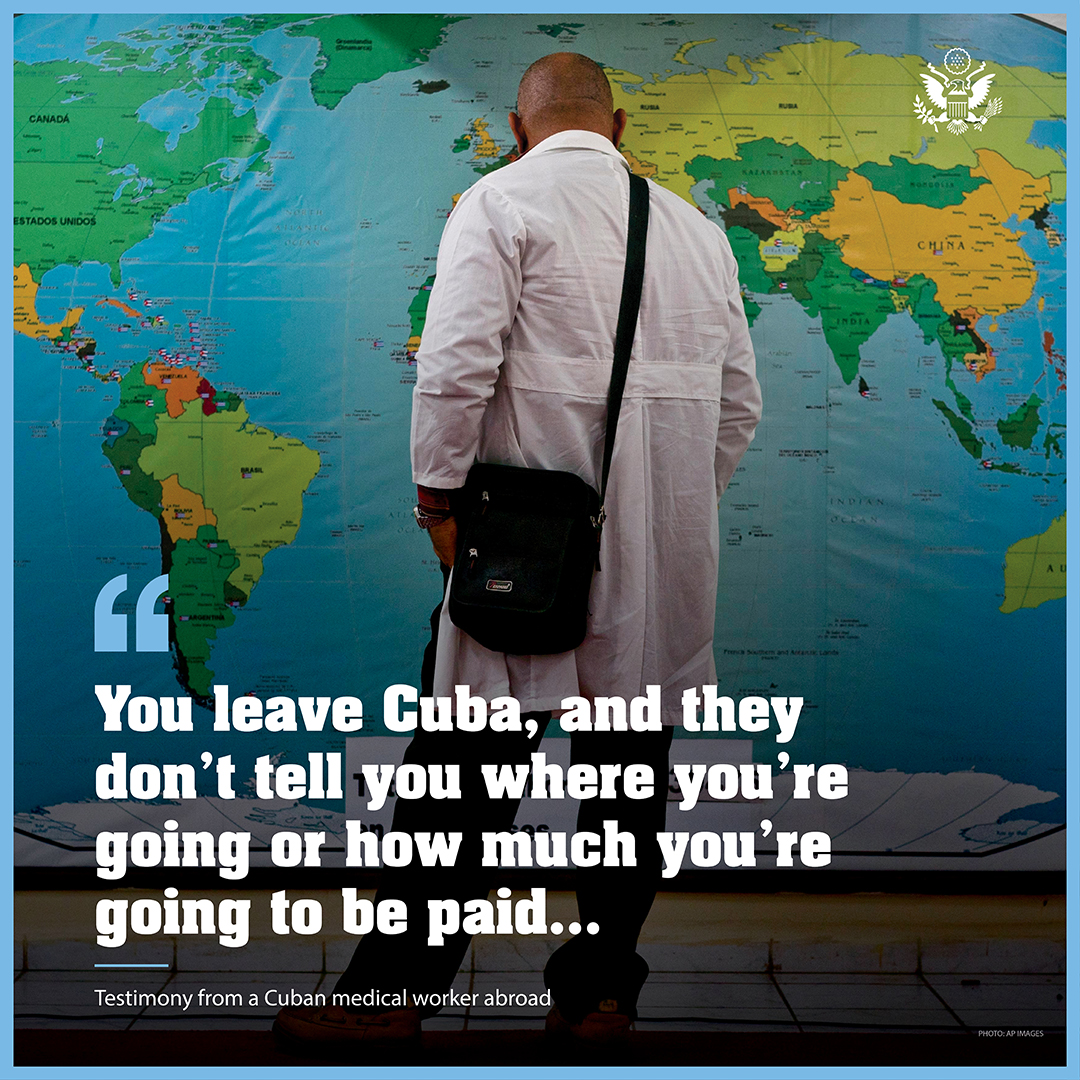 Whatever one thinks of the arrangements between Cuban doctors and their government, the program fills a void that no other nation, certainly not the United States, has shown any interest in addressing.
The irony of America lecturing the Caribbean about worker exploitation was not lost on commenters, particularly given current US domestic policies.
One user noted pointedly: "U.S. citizens and legal immigrants are being unlawfully arrested, detained and sometimes even deported after being kidnapped in the streets."
Perhaps the most telling comment came from a user who wrote simply: "Reads like disinformation."
The diplomatic mission's failure to generate any supportive comments suggests either a fundamental misunderstanding of regional sentiment or a cynical calculation that the message was never really meant for Caribbean audiences at all, but rather for domestic American consumption.
For a region that has watched Cuban doctors serve their communities for decades, the American critique rings hollow.
As one commenter observed, Havana's medics "work hard for their money which they receive on time to help themselves and their families in Cuba."
The real message from this social media disaster is clear: Washington's Cold War-era playbook has expired, and Caribbean people are no longer willing to accept lectures from a nation whose own healthcare system leaves 100 million citizens struggling with medical debt.
If the State Department wanted to win hearts and minds in the region, they might consider building hospitals instead of posting propaganda.
The comments section has spoken. The Caribbean is not buying what America is selling.
-30-
