
JAMAICA | The Silence We Cannot Afford: AJ Nicholson and the Case for Caribbean Solidarity with Cuba
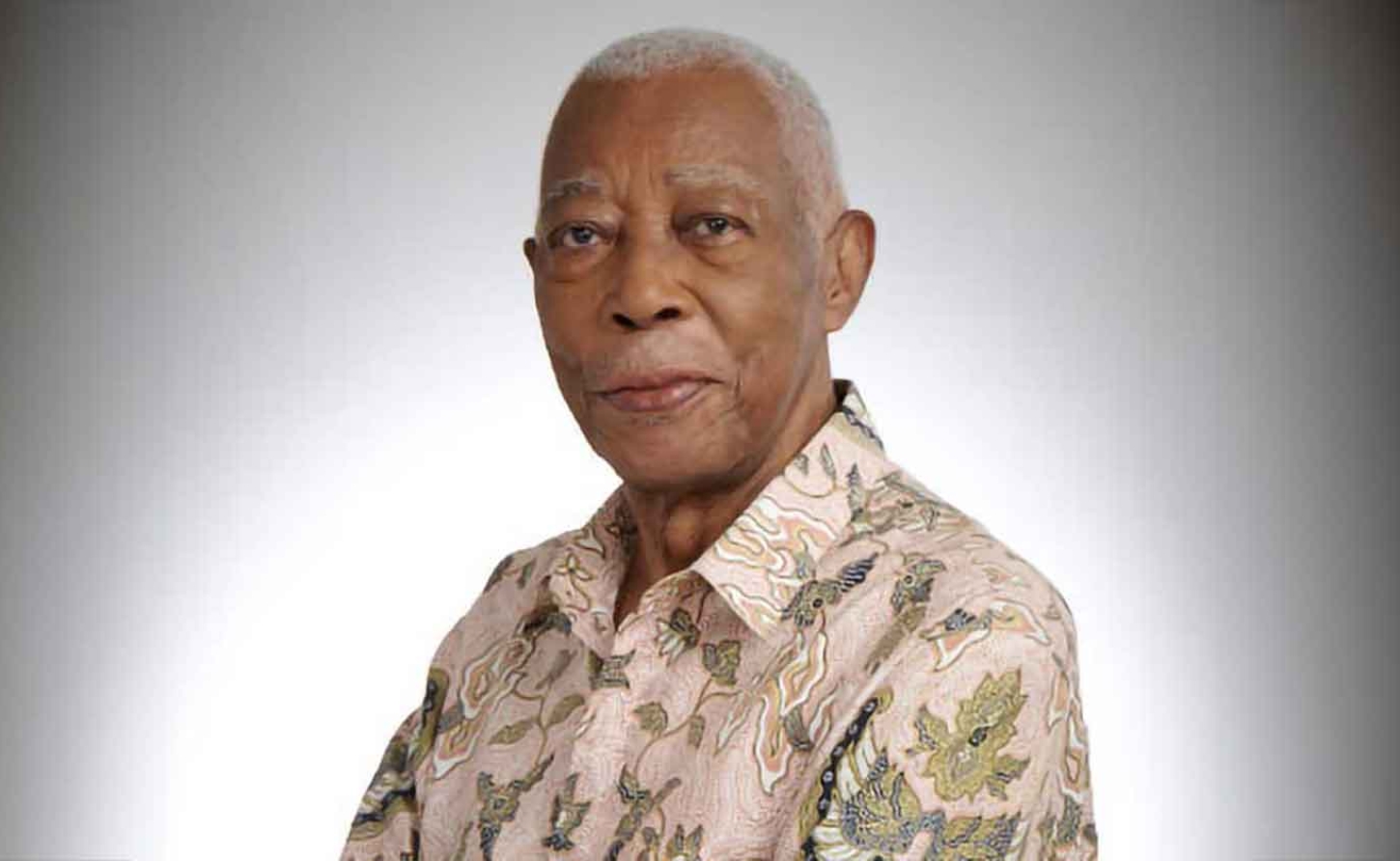
Former Foreign Minister under the People's national Party A. J. Nicholson
A former foreign minister dares to say what regional leaders whisper behind closed doors — and the moment may be riper than ever
There is a particular kind of courage required to speak plainly about Cuba in the shadow of Washington. Former Jamaican Foreign Minister AJ Nicholson has never lacked that courage — and his latest statement, released as the United States Supreme Court ruling on tariffs reshapes the global conversation about American economic power, proves he has lost none of it in retirement.
Nicholson's appeal is straightforward in its moral logic, even if it is anything but simple in its geopolitical implications: the Cuban people are suffering, they have been Jamaica's neighbours and benefactors, and the region's silence is not neutrality — it is complicity.
A Debt Long Overdue
The former minister grounds his argument not in ideology but in history — and it is history that Caribbean politicians too often treat as inconvenient. The gift of GC Foster College, that incubator of coaches who have helped power Jamaica's Olympic glory.
The José Martí and Garvey Maceo schools. The Cuban doctors who restored eyesight to Jamaicans who might otherwise have gone blind. These were not the acts of a distant abstraction; they were the outstretched hand of a neighbour.
Nicholson knows, as every serious Caribbean policymaker knows, that the relationship between Havana and Kingston has never been a simple transaction.
It has been, at its best, an expression of something the region claims to cherish: solidarity among small peoples navigating a world arranged by and for the powerful.
To receive that solidarity for decades, and then fall mute when the giver is in crisis, is not a neutral act. It is a betrayal dressed up as diplomacy.
The Tariff Ruling and the Opening It Creates
What gives Nicholson's statement its particular urgency right now is the context he chooses to anchor it in: the US Supreme Court's ruling on tariffs. The decision, which has sent tremors through the architecture of American trade policy, represents something more than a legal outcome.
It is a signal — however faint — that the instruments of US economic coercion are not immovable. That walls built by one administration can be tested, chipped at, and sometimes dismantled.
This matters enormously for Cuba, whose suffering is inseparable from decades of American sanctions that have squeezed the island into a corner from which escape feels almost impossible. Every blackout, every food shortage, every desperate raft heading north is, in some measure, a consequence of that policy.
Nicholson is not naïve enough to pretend the US embargo is the only cause of Cuba's crisis — but he is honest enough not to pretend it is irrelevant either.
The Jamaica Tightrope
Perhaps the most sophisticated move in Nicholson's statement is his handling of the Jamaica-US-Cuba triangle. He does not ask Jamaica to choose sides. He does not pretend the relationship with Washington is unimportant — indeed, he quotes Secretary of State Marco Rubio's fulsome praise of Jamaica as evidence of just how strong that friendship is.
His argument is precisely the opposite of a zero-sum calculation: a friend strong enough to be praised by America's chief diplomat is a friend with enough standing to speak an uncomfortable truth.
"Both Cuba and the US are, and have been, Jamaica's longtime friends," he writes — and in that formulation lies the entire strategy. Not confrontation. Not rupture. But the principled exercise of friendship with both, including the willingness to urge them toward the conference table. It is the language of a statesman rather than an ideologue, and it deserves to be heard as such.
CARICOM's Moment
Nicholson's call lands at a moment when CARICOM itself is searching for its voice. The recent statement from former Caribbean heads of government on Cuba's humanitarian crisis — the document that partly inspired this intervention — suggests that the regional conscience is stirring, even if official government positions remain cautiously vague.
The question is whether that stirring translates into the kind of sustained, principled advocacy that actually moves the needle.
The Caribbean has long claimed the mantle of a Zone of Peace. That claim is meaningless if it applies only to the absence of guns and not to the presence of justice. Silence is not peace — it is the precondition for someone else's war.
The Bottom Line
AJ Nicholson ends his statement with a line that ought to echo in every Caribbean foreign ministry: "Silence is not an option; and seeking after peace is not a crime, nor is crying out for justice." It is a simple sentence. It should not need saying. The fact that it does — that it requires a retired minister to remind the region of its own values — is itself the indictment.
The Cuban people are waiting. The moment, shaped by shifting American legal winds and growing regional disquiet, may not stay open long. The Caribbean must decide whether it will speak — or once again choose the comfortable silence that history will not forgive.
-30-
