JAMAICA | Petrojam Is Bleeding Jamaica Dry — And Nobody in Government Has Answers
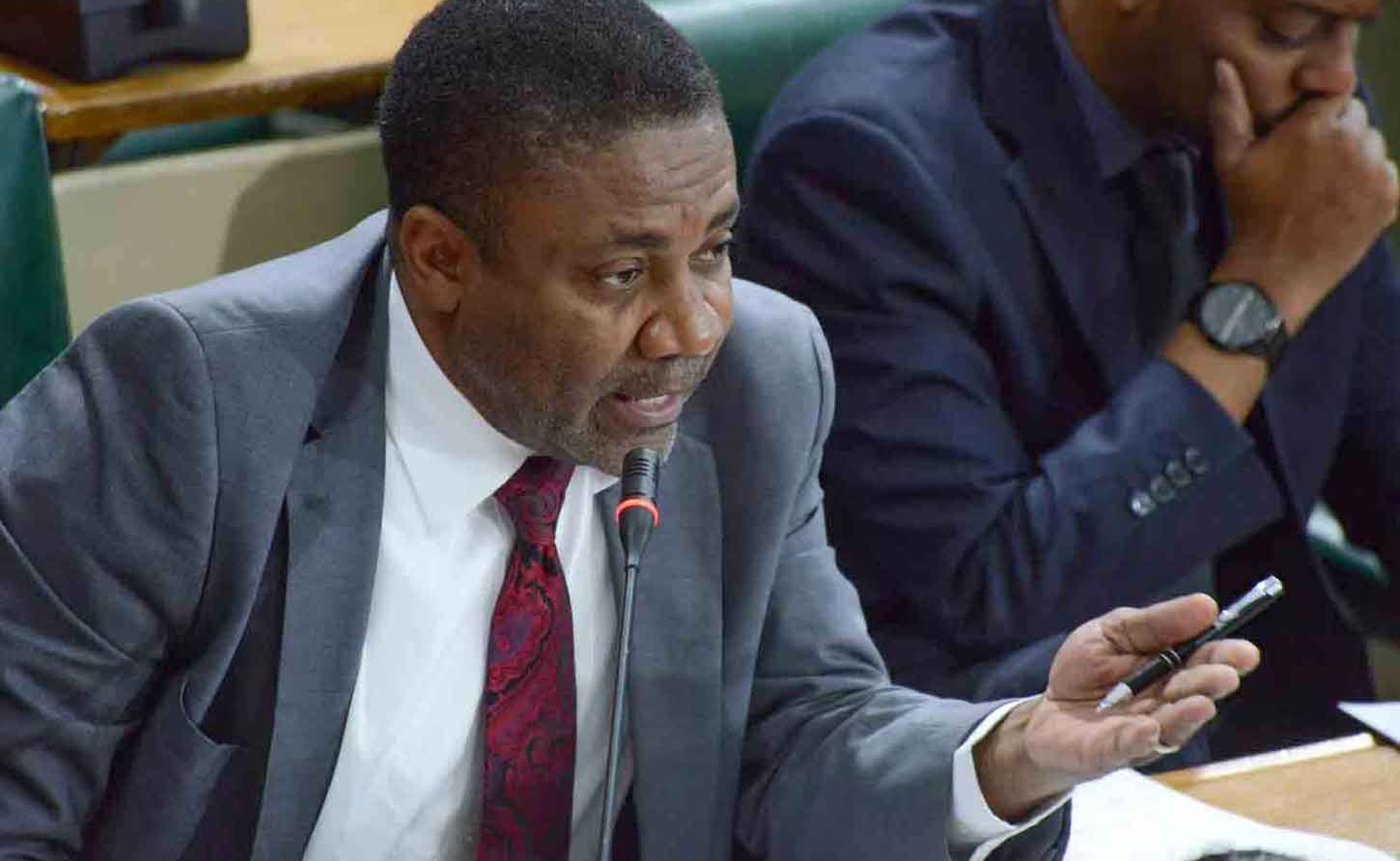
Opposition Spokesperson on Energy and Telecommunications, East Kingston MP Phillip Paulwell
Three consecutive years of losses. Nearly $10 billion dollars in public funds haemorrhaged. Paulwell wants to know: where is the plan?
KINGSTON, JAMAICA | MARCH 7, 2026 - There was a time when Petrojam turned a profit. When the state-owned refinery on Marcus Garvey Drive was an asset — a strategic piece of national infrastructure that earned its keep and then some.
That time is over. What Jamaica has now is an enterprise haemorrhaging billions with no credible explanation and, more alarmingly, no publicly stated plan to stop the bleeding.
At Friday’s meeting of the Standing Finance Committee on March 6, 2026, Opposition Spokesperson on Energy and Telecommunications, MP Phillip Paulwell, put the figures on the table: approximately $4 billion Jamaican dollars lost in the 2024–2025 financial year alone.
A further $4 billion projected by the end of the current fiscal period. And an additional $1.5 billion loss anticipated in the year to come. By any measure, that’s nearly $10 billion in cumulative losses over three consecutive years — underwritten entirely by the Jamaican taxpayer.
Paulwell’s demand was pointed and unambiguous: what is the current operational status of the refinery, and what is the roadmap back to profitability? The Minister’s response, by all accounts, offered no satisfying answer.
“The Jamaican people cannot continue to underwrite a failing enterprise without a clear strategy for recovery.” — MP Phillip Paulwell
The Opposition’s frustration runs deeper than the annual figures. At the heart of this crisis is a refinery running on infrastructure that is more than 40 years old — outdated technology that hobbles efficiency and drives operational costs through the roof.
International consultants Muse, Stencil and Co. had already charted a course forward: expand the refinery, modernise the technology, and position Petrojam to compete in a transformed energy landscape.
Paulwell has consistently championed those recommendations. The question that now hangs over parliament is why that vision has been quietly shelved.
Then there is the Zacca Report — another set of expert recommendations that the Minister has yet to publicly account for. Are those findings still on the table? Or has the Government charted a new direction it has not yet found the courage to disclose?
Paulwell wants to know. More importantly, the Jamaican people deserve to know.
This is not merely a matter of corporate governance at one state entity. Petrojam’s decline has direct implications for Jamaica’s energy security, fuel prices, and the broader fiscal position of a country still navigating the long tail of economic recovery.
Every billion that Petrojam loses is a billion that cannot build a school, fix a road, or fund a hospital. The arithmetic is brutal.
Three consecutive years of losses is not a streak of bad luck. It is a policy failure — or the absence of policy altogether. For an administration that has made economic management its flagship achievement, the silence emanating from the Ministry of Energy on Petrojam’s future is deafening.
The refinery may be old. But the Government’s excuses for doing nothing are older.
— 30 —
