
AFRICA | The Diplomatic Boomerang of Trump's Travel Ban: A Reciprocal Ban on Americans
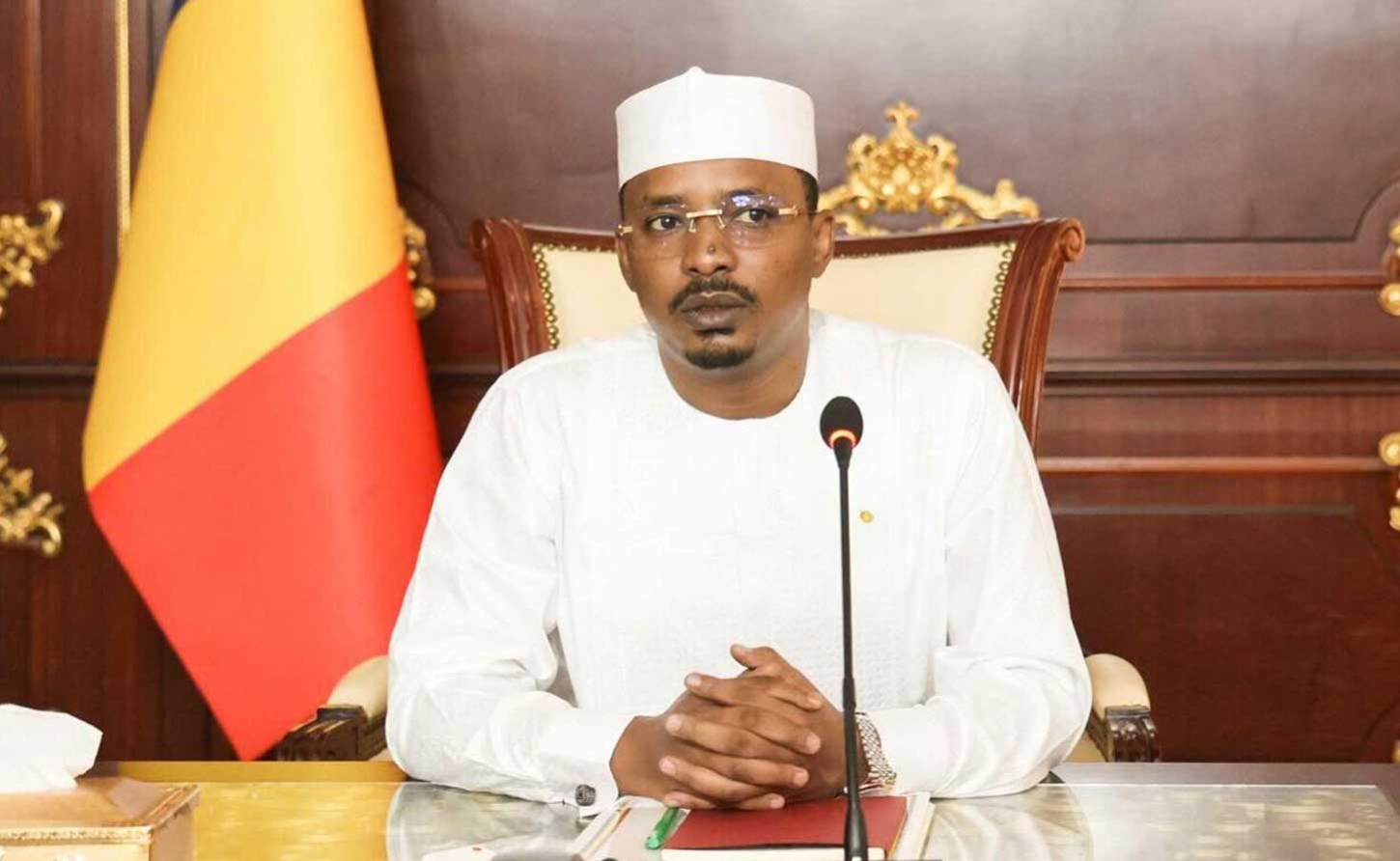
Chad's President Mahamat Idriss Deby instructed his government to suspend visa issuance to U.S. citizens.
Three nations have answered Washington's restrictions with their own bans on Americans—exposing the fragility of U.S. diplomatic dominance
When President Donald Trump signed his expanded travel ban on December 16, 2025, stretching U.S. entry restrictions to 39 countries, the White House framed it as protecting national security.
What they didn't anticipate was the diplomatic backlash now reverberating across continents—a calculated pushback from nations tired of being treated as security threats rather than sovereign equals.
Niger's Nuclear Option
Two weeks after the ban's announcement, Niger delivered the most forceful response: a complete and permanent prohibition on visa issuance to all U.S. citizens, indefinitely banning American entry into its territory.
The West African nation's move represents more than symbolic retaliation—it's a sovereignty assertion from a country that has watched U.S. foreign policy oscillate between partnership and punishment.
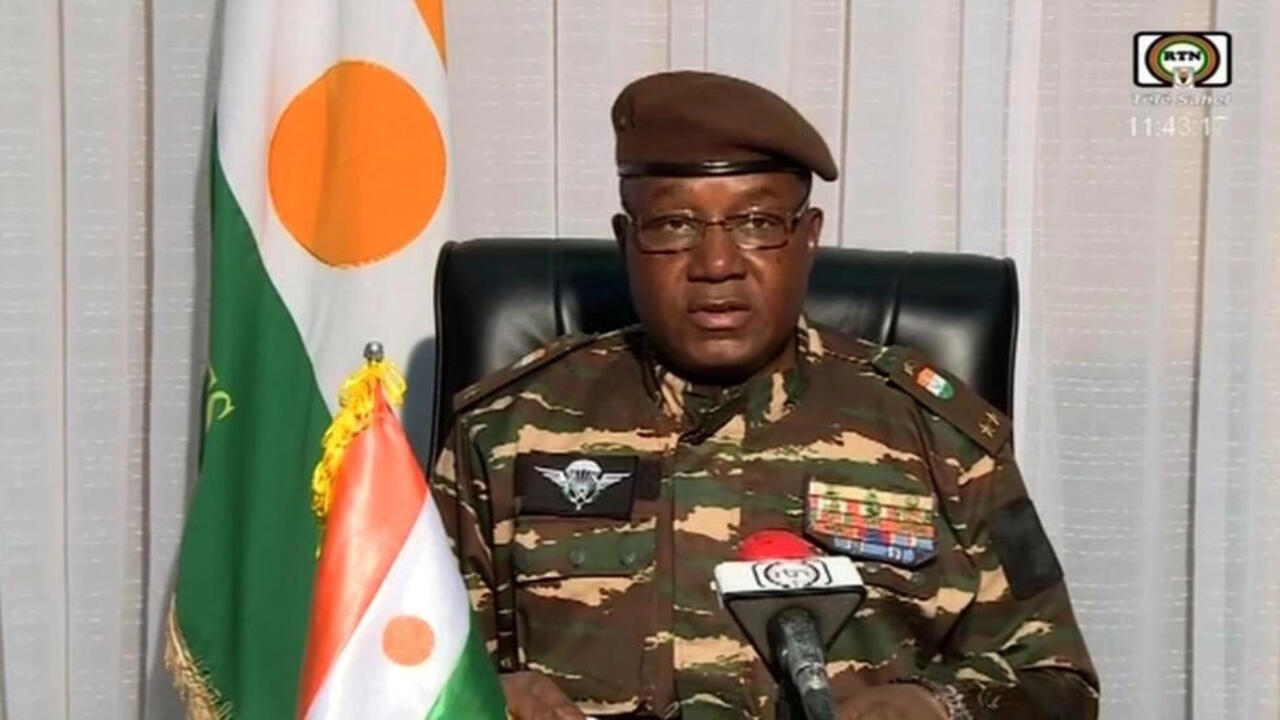
General Abdourahamane Tiani is the new leader of Niger following a military takeover
For Washington, the practical impact may seem minimal—the State Department has maintained a "Do Not Travel" advisory for Niger for years. But the symbolic weight is substantial: a nation the U.S. once considered a counterterrorism ally has now shut its doors entirely to Americans.
Chad's Earlier Warning
Niger wasn't the first. When Trump's initial travel ban dropped in June 2025, Chad's President Mahamat Idriss Deby instructed his government to suspend visa issuance to U.S. citizens, invoking those same principles of reciprocity and mutual respect.
Chad's message was unambiguous: if Washington treats Chadian passport holders as security risks, Americans should expect identical treatment.
Mali's Financial Gambit
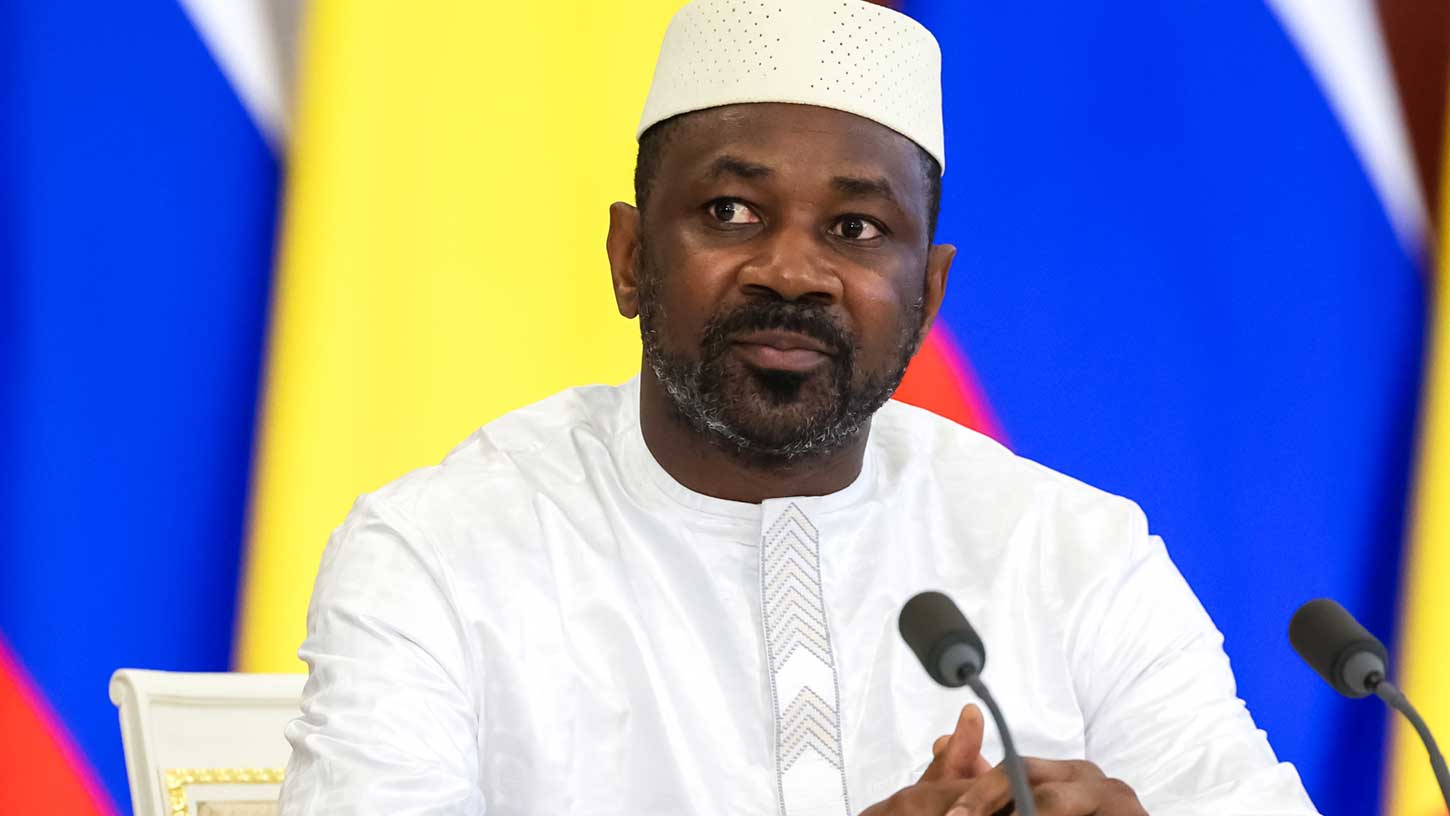
Mali's President General Assimi Goita,1450
While the U.S. quietly removed Mali from its bond list two weeks later, the episode demonstrated how quickly diplomatic measures can escalate into tit-for-tat financial warfare.
The Caribbean's Calculated Restraint
The contrast with Caribbean responses is instructive. Despite Antigua and Barbuda and Dominica facing visa restrictions targeting their Citizenship by Investment programs, both nations have pursued diplomatic engagement rather than retaliation.
Prime Minister Gaston Browne expressed "deep disappointment" but immediately opened channels with the Trump administration, seeking removal rather than reciprocity.
This restraint reflects hard economic calculus. Tourism-dependent Caribbean nations cannot afford to alienate their largest visitor market. Yet the whispers of reciprocal action are growing louder—diplomatic sources suggest that if punitive measures continue escalating, coordinated Caribbean responses cannot be ruled out.
The Great Power Miscalculation
What's emerging is a pattern Washington seems unprepared for: the erosion of post-Cold War assumptions about unilateral American power. For decades, the U.S. could impose travel restrictions with minimal blowback. But Niger, Chad, and Mali signal a fundamental shift—smaller nations increasingly willing to prioritize dignity over deference.
The irony cuts deep. Trump's proclamation justified restrictions by citing visa overstay rates and security concerns. Yet the White House's own data shows Niger's business visa overstay rate at 13.41% and student visa overstays at 16.46%—hardly catastrophic figures compared to systemic migration challenges elsewhere.
The real issue isn't overstays; it's the weaponization of visa policy as a blunt instrument of foreign policy leverage.
The Road Ahead
As 2026 begins, American travelers face an unfamiliar reality: their passport's power is diminishing. Three countries have already closed their doors. Others are watching, weighing their options, calculating when patience becomes complicity in their own marginalization.
The diplomatic boomerang has been thrown. Whether it becomes a cascade of closures or remains isolated protest depends less on Trump's next proclamation and more on whether Washington grasps a fundamental truth: in an interconnected world, power without partnership breeds isolation.
-30-
