
JAMAICA | Paradise Lost: Jamaica's Noise Pollution Nightmare
JAMAICA | Paradise Lost: Jamaica's Noise Pollution Nightmare
How the island selling serenity became a sonic war zone—and why government inaction is destroying both public health and the tourism brand
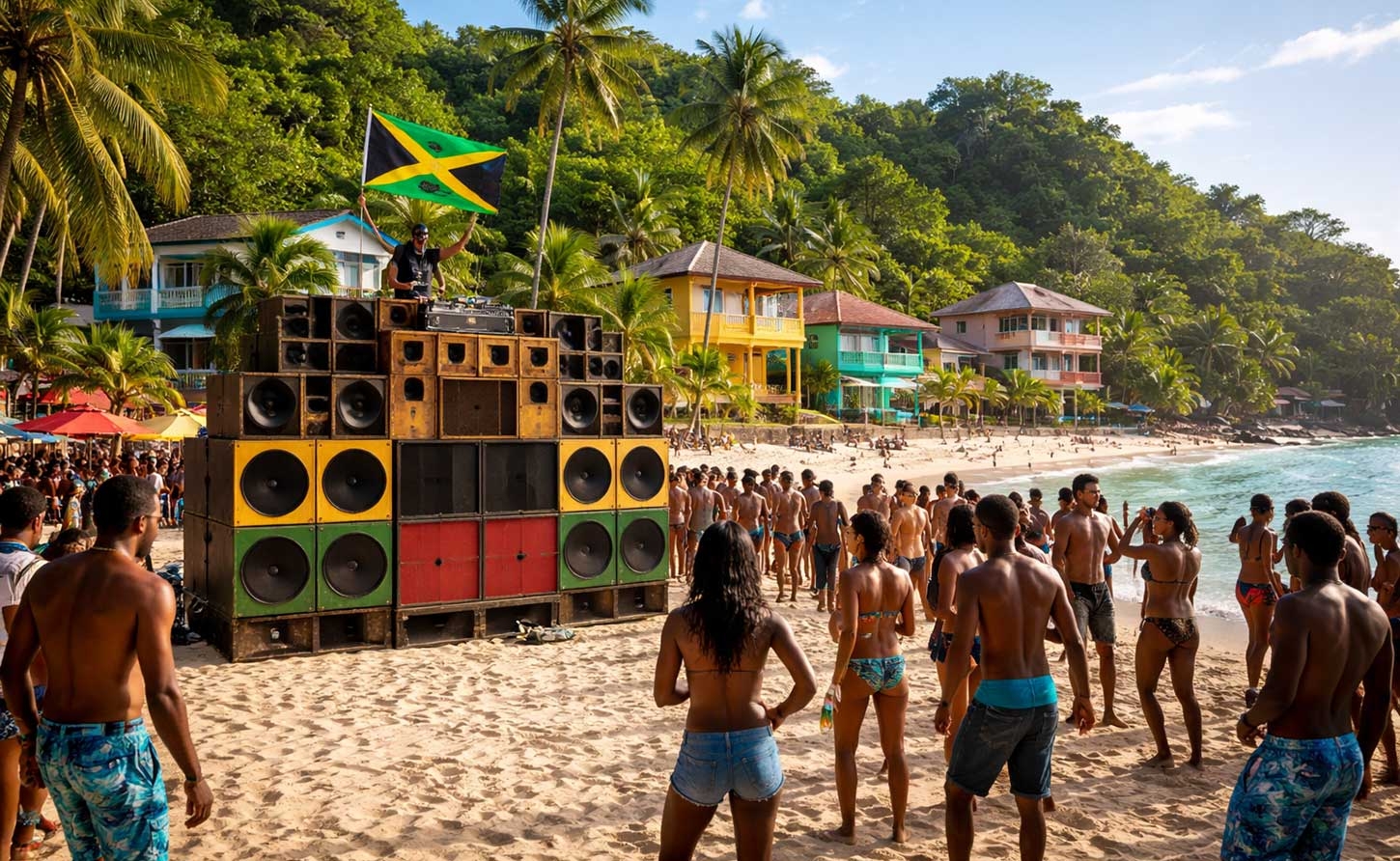
Kingston, Jamaica, January 22, 2026 - The tourism brochures promise paradise. But venture beyond the resort walls and you'll discover Jamaica has become a nation drowning in decibels. Motorcycles with removed mufflers roar through neighborhoods. Modified vehicles crack like automatic weapon fire. Mobile sound systems rattle windows blocks away. The music? Often interspersed with gunshot sounds and DJs screaming as if in cardiac arrest—a sonic landscape of simulated violence.
A staggering 60% of Jamaicans are bombarded by excessive noise. This is a full-blown public health crisis authorities ignore.
The Medical Toll: Programming Citizens for Anger
Sixty-eight-year-old Eleanor Clarke can't sleep, her hypertension worsening. Across the island, 12-year-olds struggle to stay awake in class. Parents arrive at work bleary-eyed, workplace safety compromised—all because noise polluters operate with impunity.
But most disturbing is what happens in the brain. McGill University studies reveal that dissonant, chaotic noise—modified exhausts, distorted bass, simulated gunfire, DJs screaming in distress—directly triggers anger and aggression in the amygdala.
Researchers found correlation coefficients as high as 0.62 between harsh sounds and anger, irritability, and tension.
Jamaica's youth, exposed to harsh noise while their brains develop, are being neurologically conditioned for aggression. When teenagers are bombarded with music punctuated by gunshots and DJs shrieking, neurological pathways are carved associating daily life with violence.
The child studying while bass rattles walls and simulated gunfire echoes isn't just losing concentration—their brain is being trained to associate normal life with combat.
Jamaica gave the world reggae and dancehall. Now it subjects its children to sonic chaos programming their brains for conflict. These aren't expressions of musical genius—they're perversions replacing melody with simulated violence.
The Tourism Paradox and Economic Suicide
Tourists arrive expecting tranquility and encounter the same noise assault plaguing residents. Studies show a 10-decibel increase slashes property values by 5-10%—billions in lost wealth. Jamaica's tourism industry depends on its promise of relaxation.
Shatter that promise, and tourists will choose quieter Caribbean alternatives. Once Jamaica develops a reputation for sleepless nights, recovering that market becomes exponentially harder.
Laws Without Teeth
Jamaica has laws to address this. The Noise Abatement Act of 1997 prohibits amplified sound audible beyond 100 metres that causes annoyance. It establishes time restrictions: 2:00-6:00 AM weekends, midnight-6:00 AM weeknights—when people need sleep.
Yet these protections are ignored. Residents reporting violations are told events have "permits"—as if permits grant license to violate the law. They don't. Permits authorize events but don't exempt organizers from noise restrictions. Police permits cannot override statutory protections. But enforcement? Non-existent.
A 2022 report revealed 60% of Kingston complaints were noise-related. The public screams for help and receives silence. Inadequate resources, weak penalties, alleged corruption, and lack of political will created an enforcement vacuum breeding justified cynicism.
Reclaim the Silence or Lose Everything
Government and police must enforce existing laws, increase penalties, and invest in monitoring. Eleanor Clarke's suffering multiplied across hundreds of thousands demands action. The tourism industry's future demands action. Youth being neurologically programmed for violence demands action.
Paradise is lost. Whether it can be reclaimed depends on whether authorities decide Jamaicans' right to peace matters as much as the profit margins of those shattering it.
